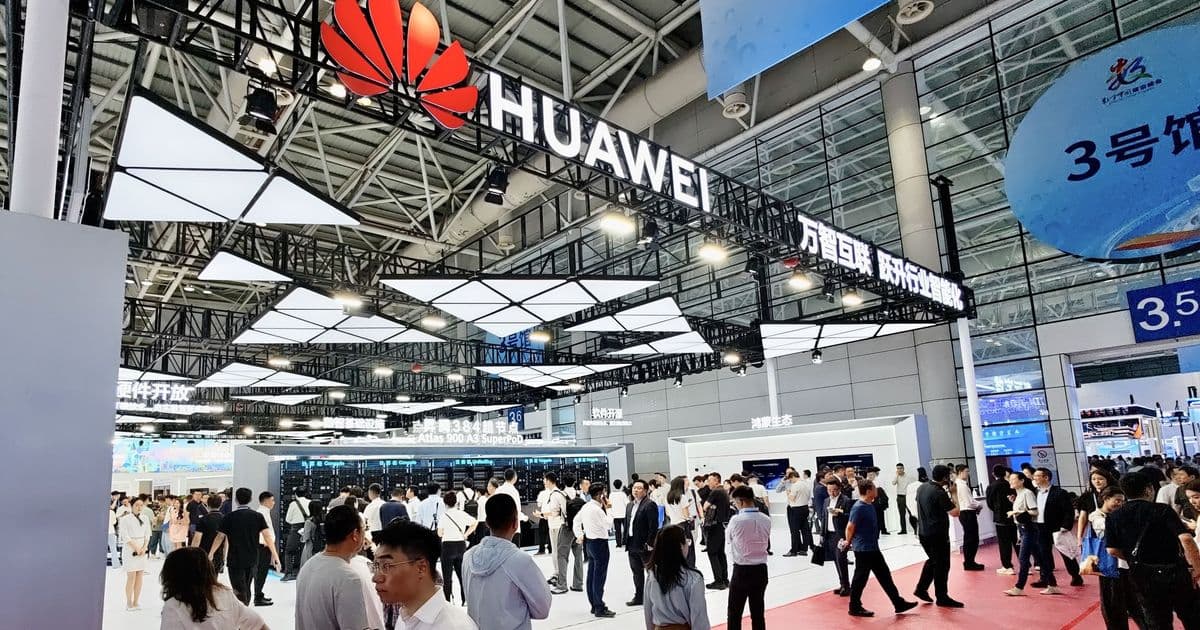
Shenzhen-based Huawei is projected to capture the largest share of China's AI chip market in 2026, with revenue expectations reaching $12 billion, while Nvidia's H200 shipments remain stalled due to conflicting regulatory demands between the US and China.
A Financial Times report indicates that Huawei is positioned to become the leading supplier in China's AI chip market this year, as domestic companies increasingly seek alternatives to American chipmaker Nvidia amid growing geopolitical tensions. The Chinese tech giant expects its AI chip revenue to surge to $12 billion in 2026, representing a 60% increase from $7.5 billion in 2025. This forecast is based on existing orders for its 950PR chip, which entered mass production just last month. 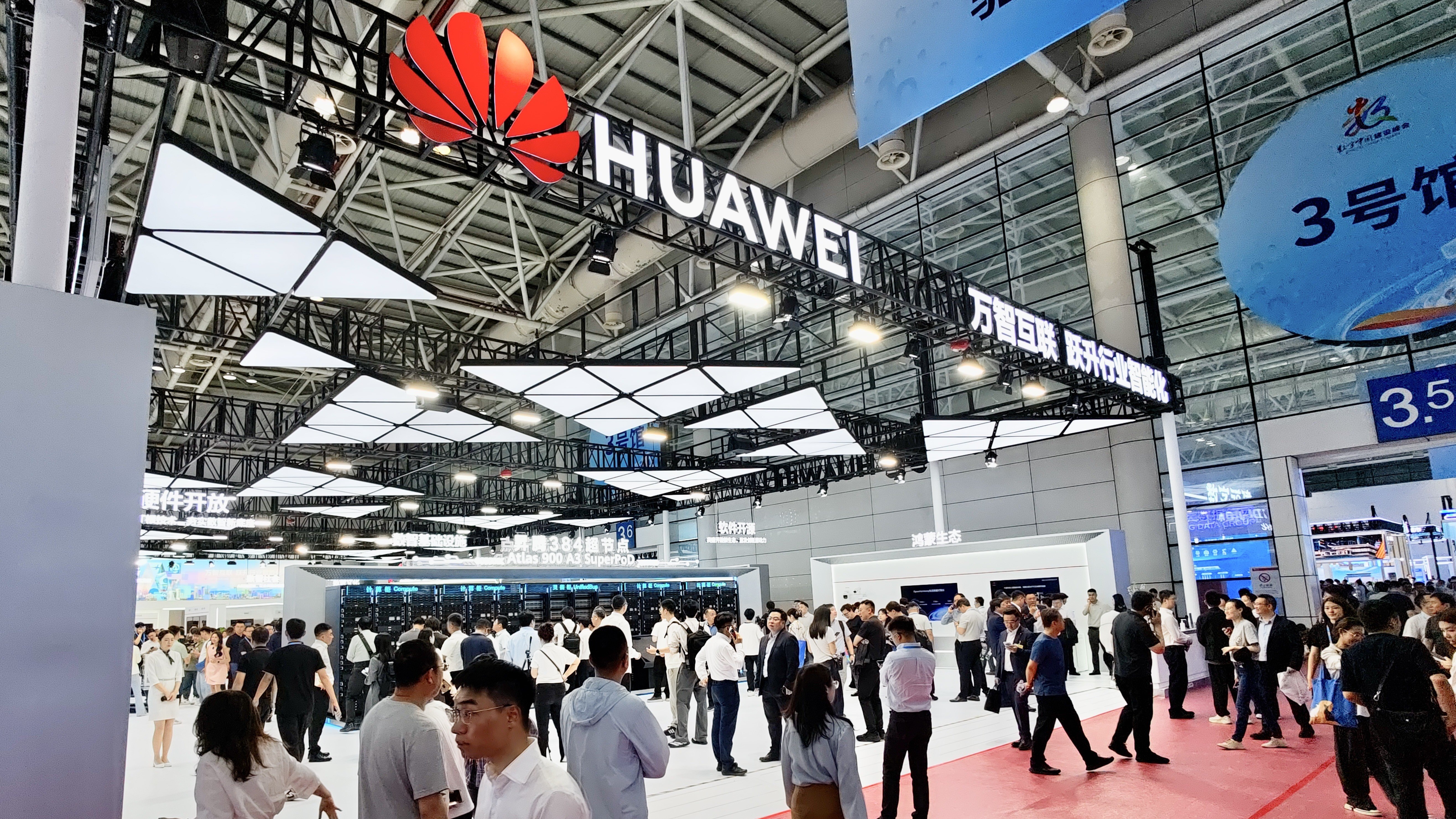
Huawei plans to further strengthen its market position with the launch of an upgraded 950DT processor in the fourth quarter, continuing an aggressive expansion of its chipmaking capabilities. The company's manufacturing partner, Semiconductor Manufacturing International Corporation (SMIC), China's leading fab, is expected to add two dedicated fabrication plants this year, potentially boosting Huawei's initial revenue projections if production ramps successfully.
The competitive landscape has shifted dramatically due to regulatory challenges facing Nvidia. The American company's China operations, which once accounted for up to 25% of its data center business revenue, are being constrained by export restrictions and regulatory barriers imposed by both the United States and China. 
While Nvidia CEO Jensen Huang confirmed in March 2026 that the company had received U.S. licenses to sell H200 AI chips to China and was restarting production to meet demand, shipments have encountered significant hurdles. Reports suggest potential delays due to Chinese import regulations, creating a complex regulatory stalemate. Beijing has reportedly instructed Chinese tech companies to limit Nvidia chip usage to overseas operations, while supporting domestic manufacturing. Simultaneously, US regulators require that all Nvidia chips ordered by Chinese clients only be used within China. These contradictory demands have effectively blocked customs clearance for H200 shipments to China.
Huawei has adopted a strategic approach to compete with Nvidia in AI hardware by focusing on inference rather than training. The company has positioned its 950PR processors as the hardware of choice for domestic companies running inference tasks—the computation AI models use to generate answers and perform real-world tasks after training is complete. Huawei believes inference will become the largest source of AI computing demand as AI assistants and autonomous agents become more prevalent. Since inference workloads are generally less demanding than training massive AI models, Huawei can remain competitive despite weaker raw chip performance compared to Nvidia's offerings.
To compensate for individual chip limitations, Huawei links large numbers of its chips together using its networking technology to create powerful AI computing clusters, effectively boosting overall system performance. This approach has already gained traction, with DeepSeek confirming last month that while its latest v4 model was trained on Nvidia chips, it used Huawei's 950PR for inference tasks.
Nvidia's CEO Jensen Huang recently expressed concern about this trend, stating: "The day that DeepSeek comes out on Huawei first, that is a horrible outcome for our nation - It could lead to a scenario where AI models around the world are developed and they run best on non-American hardware." Huang's comments highlight the strategic importance of AI hardware dominance in the global technology landscape.
Despite Huawei's momentum, Nvidia maintains significant advantages, particularly in its software ecosystem. While Huawei has developed its Cann platform as a domestic alternative to Nvidia's widely used CUDA software, developers report that Cann still lags significantly in usability and maturity. The complexities involved with Cann can increase development costs and operational expenses for customers, helping NVIDIA maintain its strong grip on the global AI ecosystem.
Morgan Stanley projects China's AI chip market could grow to approximately $67 billion by 2030, with domestic companies expected to supply around 86% of that demand. The firm estimates Chinese suppliers alone could account for about $21 billion of the market this year, demonstrating the rapid expansion of the country's homegrown AI semiconductor industry.

The evolving competitive dynamics in China's AI chip market reflect broader geopolitical tensions in the technology sector. As regulatory barriers continue to shape the industry landscape, Huawei's strategic focus on inference and domestic production positions it to capitalize on the growing demand for AI solutions within China, while Nvidia faces significant challenges in maintaining its market presence in one of the world's most important technology markets.
Comments
Please log in or register to join the discussion