
Following Apple's endorsement during its Q2 2026 earnings call, Perplexity elaborates on its Mac-first Personal Computer platform, which bridges local and cloud environments to create enterprise-grade AI assistants.
Apple gave Perplexity a significant shoutout during its Q2 2026 earnings call yesterday, highlighting the company's Mac-first approach to AI assistants. Now, Perplexity is providing deeper insights into its Personal Computer platform, which represents a fundamental shift in how AI assistants interact with users' digital environments.

Platform Update: Personal Computer Architecture
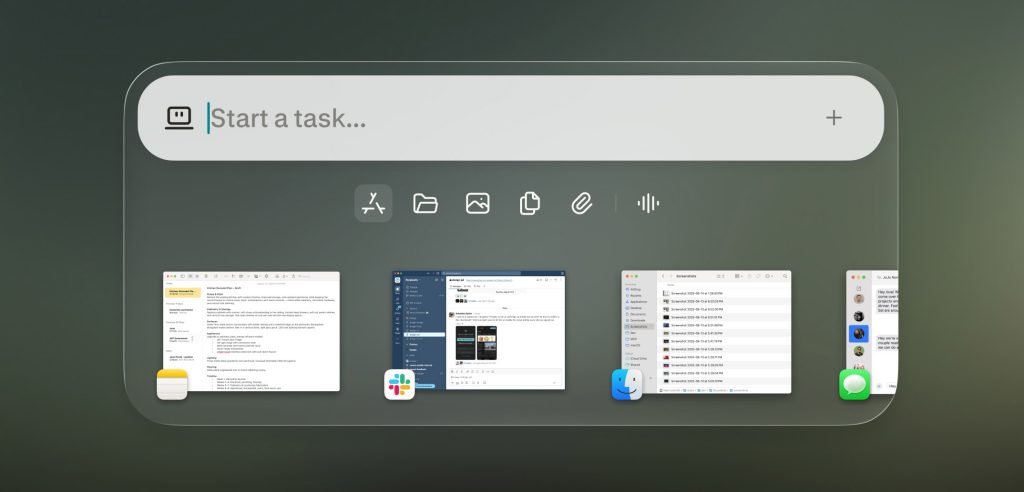
Personal Computer is designed as a Mac-native platform that primarily runs on a Mac mini but can function on any Mac. Unlike traditional AI assistants confined to chat windows or isolated virtual machines, Perplexity's approach integrates the AI directly into the user's workflow across both local and cloud environments.
"Personal Computer is the future of work," states Perplexity. "It brings multi-model orchestration to your own machine, working across local files, apps, and the web in one system. On a Mac mini, it runs 24/7, letting you begin work from your phone and come back to it done."
The platform leverages Apple's unified memory architecture and silicon capabilities, which Apple CFO Kevin Parekh specifically called out during the earnings call. "With Apple silicon and this powerful unified memory architecture, leading AI developers, like Perplexity, are choosing Mac as their preferred platform to build enterprise-grade AI assistants that power autonomous agents and boost workplace productivity."
Developer Impact: Cross-Platform Considerations
For developers building AI assistants, Perplexity's approach offers important lessons about platform integration. The company's decision to focus on Mac first reflects a pragmatic approach to leveraging platform-specific capabilities while maintaining flexibility.
Developers should note several key technical aspects:
Hardware Requirements: While Personal Computer can run on any Mac, optimal performance requires the Mac mini configuration, suggesting that Apple's M-series chips with unified memory provide significant advantages for AI workloads.
SDK Limitations: Currently, Personal Computer appears to be a platform-specific solution without cross-platform SDKs. This represents a trade-off between leveraging platform-specific features versus maintaining broader compatibility.
Local-Cloud Integration: The platform's ability to work across both local files and cloud services requires sophisticated orchestration that developers must consider when designing similar solutions.
Apple's mention of Perplexity during its earnings call, particularly noting the Mac mini and Mac Studio sellout in several countries, underscores the growing importance of platform-specific AI solutions. Apple would later confirm that availability will remain extremely constrained for several months, indicating strong demand for these new AI-powered configurations.

Migration Path: Enterprise Features and Integrations
At Perplexity's Ask NYC event, the company announced several enterprise-focused updates that highlight the platform's evolution toward becoming a comprehensive workplace solution:
- Microsoft Teams integration for collaborative AI workflows
- Native Excel integration currently in beta
- New workflows feature for automating repeatable tasks
- Enhanced data connectors with Snowflake and Databricks
These features represent a clear migration path from simple AI chat interfaces to integrated workplace productivity tools. The platform's ability to perform "$2.8B in labor-equivalent work" for Pro, Max, and Enterprise subscribers demonstrates tangible ROI for business users.
The partnership with 1Password addresses a critical concern for enterprise adoption: security. By allowing Personal Computer to act inside authenticated tools without exposing user credentials to the model, Perplexity has created a more secure architecture for AI assistants handling sensitive business data.
Technical Architecture and Platform Requirements
Personal Computer's technical architecture differs significantly from traditional AI assistants in several key ways:
Multi-Model Orchestration: The platform can leverage multiple AI models simultaneously, allowing it to select the optimal model for different tasks rather than being limited to a single model.
Persistent Operation: Running 24/7 on a Mac mini enables continuous background processing, allowing tasks to begin on one device and complete on another.
File System Integration: Unlike web-based AI assistants that require manual file uploads, Personal Computer can directly access and process local files, creating a more seamless workflow.
For developers considering similar approaches, the platform requirements highlight the importance of hardware acceleration for AI workloads. Apple's unified memory architecture appears particularly well-suited for the type of multi-model orchestration that Perplexity implements.
Cross-Platform Considerations
While Personal Computer is currently Mac-first, Perplexity's CEO Aravind Srinivas noted that it "can run on any Mac, with a Mac mini as one of the best ways to deploy it at full capacity." This suggests potential for broader platform support in the future.
For cross-platform developers, Perplexity's approach offers valuable insights:
Platform-Specific Optimization: Leveraging platform-specific capabilities can provide significant advantages for AI workloads, even when developing cross-platform solutions.
Hybrid Architecture: The most effective AI assistants may need to combine local processing for sensitive tasks with cloud resources for heavy computation.
Continuity Features: Building on platform-specific continuity features (like Apple's ecosystem integration) can create more seamless user experiences.
Future Outlook
Perplexity's Personal Computer represents an important evolution in AI assistant design, moving beyond simple chat interfaces to integrated productivity tools that operate across the entire digital environment. As Apple continues to position its silicon and software platforms for AI workloads, we can expect more developers to follow Perplexity's approach of leveraging platform-specific capabilities.
For mobile developers, this trend suggests that future AI assistants will increasingly need to bridge mobile and desktop environments, with seamless handoff capabilities becoming standard expectations. The emphasis on local processing for sensitive data also indicates growing awareness of privacy concerns in AI development.
As Perplexity continues to expand its enterprise integrations and potentially expands to other platforms, developers should closely monitor how this approach to AI assistant architecture evolves. The company's focus on practical productivity applications rather than conversational AI may represent the next major shift in how AI assistants are designed and deployed.
For more information about Perplexity's Personal Computer platform and its upcoming features, you can visit Perplexity's official announcement and explore their developer documentation.
Comments
Please log in or register to join the discussion