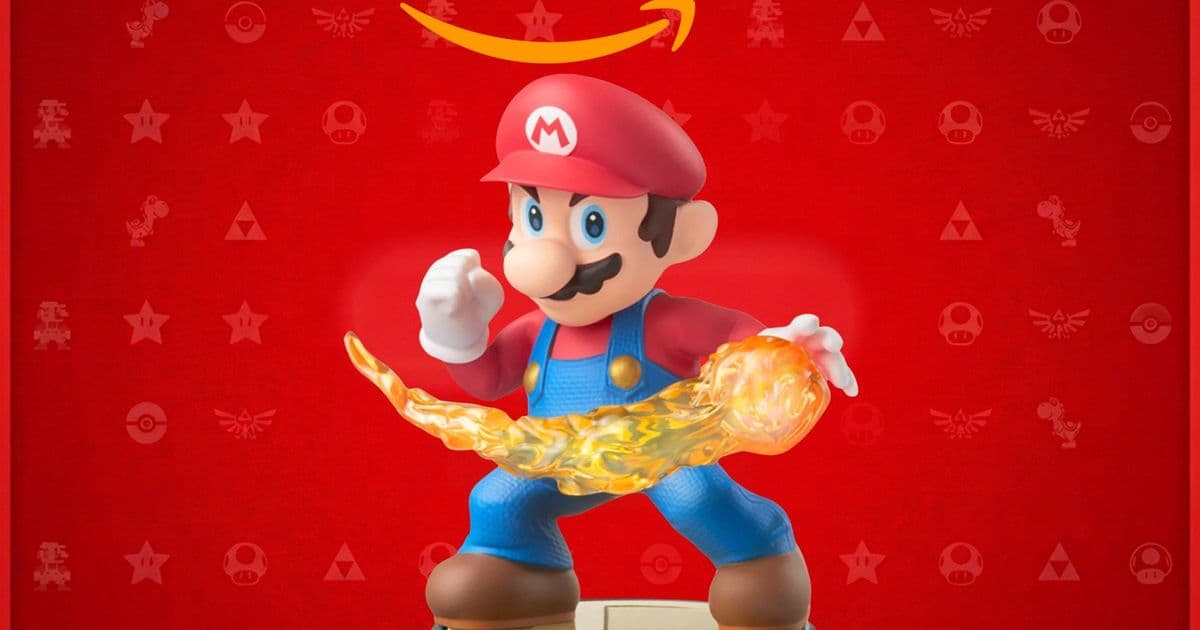
Former Nintendo President Reggie Fils-Aimé discloses details about Amazon's illegal pricing demands during the Wii and DS era, highlighting the long-standing tensions between the gaming giant and the retail giant that continue to impact consumers today.
Former Nintendo President Reggie Fils-Aimé recently provided unprecedented insight into the historically strained relationship between Nintendo and Amazon during an interview at the NYU Game Center Lecture Series. The revelation centers on Amazon's alleged illegal pricing demands that created significant friction between the two companies, with consequences that continue to affect how consumers purchase Nintendo hardware and software today.
What's New: Amazon's "Illegal Demands" Revealed
Fils-Aimé shared a telling anecdote from the twilight of the Wii and DS era when Amazon was aggressively expanding its presence in the video game market. According to the former Nintendo executive, an Amazon representative requested "an obscene amount of financial support" with the explicit goal of achieving lower prices than Walmart. When pressed about this approach, Fils-Aimé recalled his direct response: "You know that's illegal, right?"
This revelation comes as particularly noteworthy given Nintendo's traditionally strong relationships with retail partners. The company has maintained a formidable physical presence for Switch 2 games, demonstrating continued consumer preference for tangible media in the gaming space. However, this incident exposed fundamental philosophical differences between Nintendo's approach to retail partnerships and Amazon's aggressive expansion tactics.
How It Compares: A History of Retail Tensions
The current situation between Nintendo and Amazon represents just one chapter in a longer story of retail conflicts. After Fils-Aimé's confrontation with Amazon executives, Nintendo made the strategic decision to limit stock provided to the online retailer to avoid compromising relationships with traditional competitors like GameStop.
When the original Switch launched in 2017, Nintendo products returned to Amazon's marketplace, but tensions quickly resurfaced. The platform faced criticism for third-party vendors with questionable reputations selling used games, while direct sales of Nintendo titles and consoles became increasingly scarce. This pattern created a fragmented purchasing experience for consumers who preferred to buy directly from Amazon.
The most recent manifestation of this tension occurred during the Switch 2 launch in 2025, when U.S. Amazon initially failed to support the new system's debut. Reports indicated that Nintendo objected to third-party sellers undercutting its suggested retail prices and expressed concerns about international scalpers exploiting regional MSRPs. While Nintendo later denied many of these claims, consumer skepticism remained high.
Who It's For: Consumers Caught in the Middle
These retail conflicts directly impact consumer purchasing decisions and options. Nintendo fans have had to navigate an increasingly complex landscape where:
- Physical Switch 2 games remain popular but may have limited availability on Amazon
- Pricing strategies differ between Nintendo's direct sales and third-party marketplaces
- International price variations create opportunities for arbitrage that affect local markets
The situation has partially improved with Amazon now matching Nintendo's lower digital pricing on physical copies. However, the fundamental disagreements over pricing policies and selling approaches suggest future conflicts are likely.
For consumers, this retail dynamic creates both challenges and opportunities. On one hand, limited availability on major platforms like Amazon can complicate purchasing. On the other hand, competitive pricing between different retailers can sometimes benefit buyers who shop strategically.
The broader implications extend beyond Nintendo to the entire gaming industry, as similar tactics have been reported with other suppliers. This pattern of retail platform demands for exclusive pricing advantages raises questions about the future of traditional retail relationships in an increasingly digital marketplace.
As the gaming hardware market continues to evolve with the Switch 2 and other next-generation platforms, the balance of power between manufacturers and retail platforms will remain a critical factor shaping consumer access and pricing strategies.
Comments
Please log in or register to join the discussion