Nvidia's DGX Spark and AMD's Ryzen AI Max+ 395 represent divergent architectural approaches to compact AI workstations, with significant implications for software compatibility, power efficiency, and specialized workloads.
The competition in compact AI workstation solutions intensified as AMD's Ryzen AI Max+ 395 reached the market ahead of Nvidia's DGX Spark platform. Both solutions target professionals needing high-performance local AI capabilities in space-constrained environments, yet they adopt fundamentally different approaches that extend beyond raw specifications.
Core Specifications and Performance
At first glance, the hardware profiles appear remarkably similar. Both platforms typically integrate 128GB of unified memory - crucial for running large language models locally. Benchmark comparisons reveal near parity in FP16 and FP64 inference tasks, with identical memory bandwidth figures enabling comparable throughput for most AI workloads. This parity extends to thermal design power envelopes, with both systems operating in the 120-150W range.
Architectural Divergence
The underlying architectures reveal the first major differentiator. Nvidia employs its ARM-based Grace CPU module in the GB10 Superchip, while AMD utilizes the x86-compatible Zen 5 cores. This distinction creates significant software implications:
- AMD's x86 advantage: Maintains full compatibility with Windows environments and legacy x86 applications, allowing traditional productivity workflows alongside AI tasks.
- Nvidia's ARM specialization: Optimized exclusively for Linux-based DGX OS environments, prioritizing massively parallel AI computations while sacrificing general desktop functionality.
Specialized Hardware Accelerators
AMD integrates a dedicated Neural Processing Unit (NPU) delivering 50 INT8 TOPS, enabling efficient handling of smaller models and background AI tasks without engaging the main compute complex. This proves particularly beneficial for applications like FastFlowLM where intermittent AI processing occurs alongside primary workloads.
Nvidia counters with Blackwell architecture enhancements including native FP4 support and advanced memory compression techniques. These features provide measurable advantages in memory-intensive training scenarios and ultra-low precision workloads common in large-scale AI development.
Software Ecosystem Constraints
The platform decision heavily depends on software requirements:
- Nvidia's CUDA dominance: Maintains industry-standard status for AI development pipelines, especially in data center environments. Code portability remains challenging for alternative architectures.
- AMD's ROCm progress: While showing significant improvements, ROCm still trails CUDA in specialized application support and framework integration depth.
Practical Deployment Considerations
Pricing reveals another critical factor. Nvidia commands substantial premiums for DGX Spark systems (approximately 25-30% over comparable AMD configurations), justified by its established enterprise ecosystem. For inference-focused deployments prioritizing cost efficiency without proprietary Nvidia features, the Ryzen AI Max+ 395 presents compelling value.
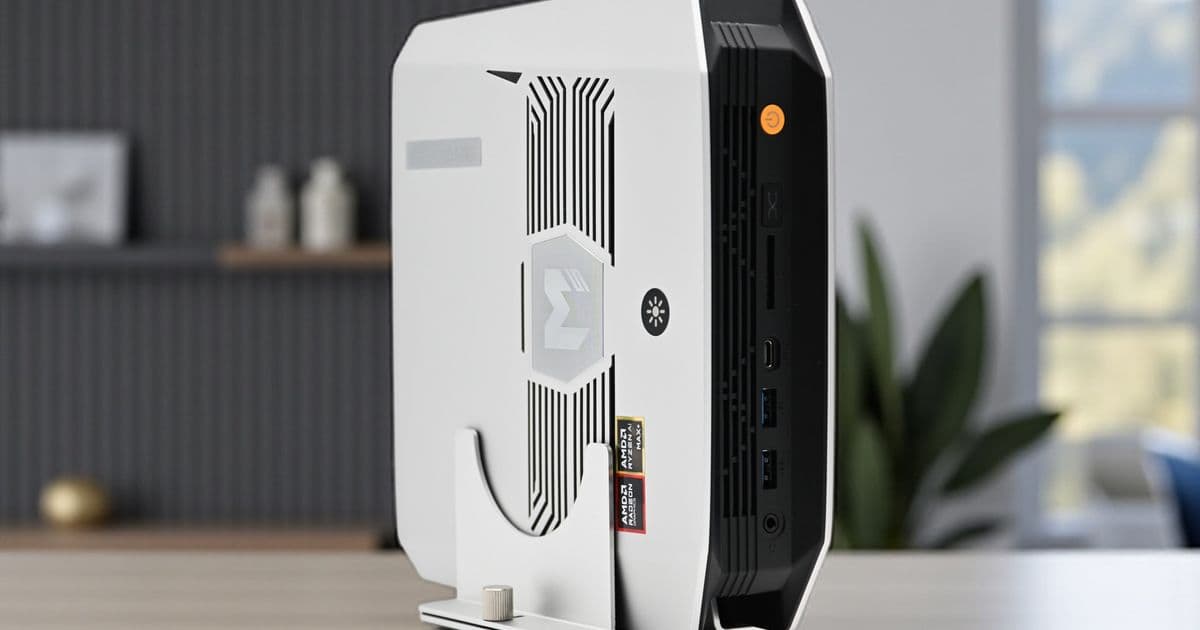
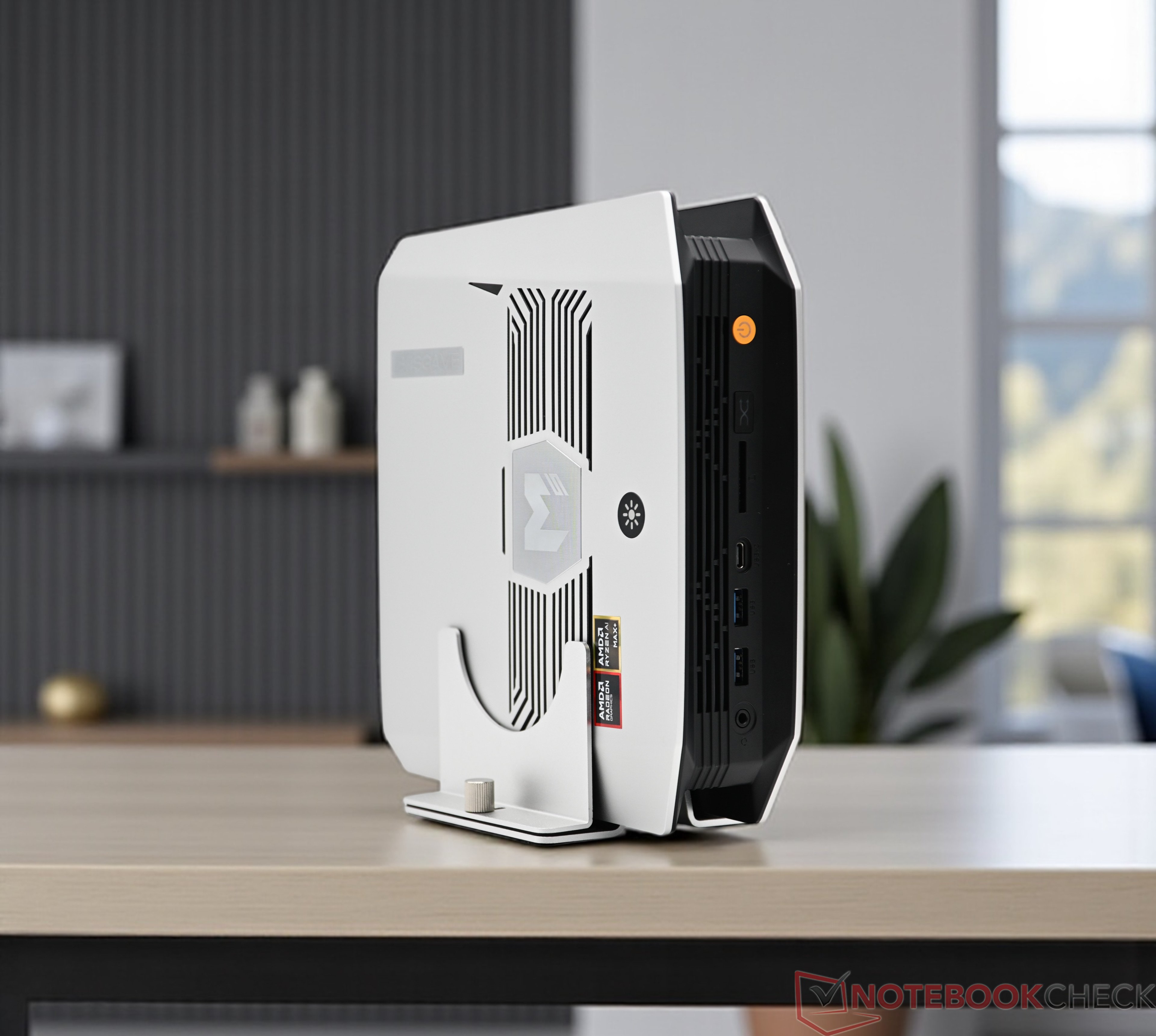
Real-world implementations like HP's ZGX Nano G1n AI Station (Nvidia-based) and Bosgame M5 (AMD-based) demonstrate how these architectural differences manifest in physical systems. The Bosgame M5 leverages AMD's x86 compatibility for hybrid workstation use, while HP's implementation focuses on pure AI acceleration.
Target Use Cases
- Nvidia DGX Spark: Ideal for organizations building AI training pipelines requiring CUDA compatibility and planning eventual data center deployment.
- AMD Ryzen AI Max+ 395: Better suited for edge inference stations, developers needing Windows compatibility, or cost-conscious teams running open-source models without Nvidia-specific optimizations.
The competition between these approaches ultimately benefits professionals, providing distinct paths for specialized workloads while pushing innovation in power-efficient AI computation.
Comments
Please log in or register to join the discussion