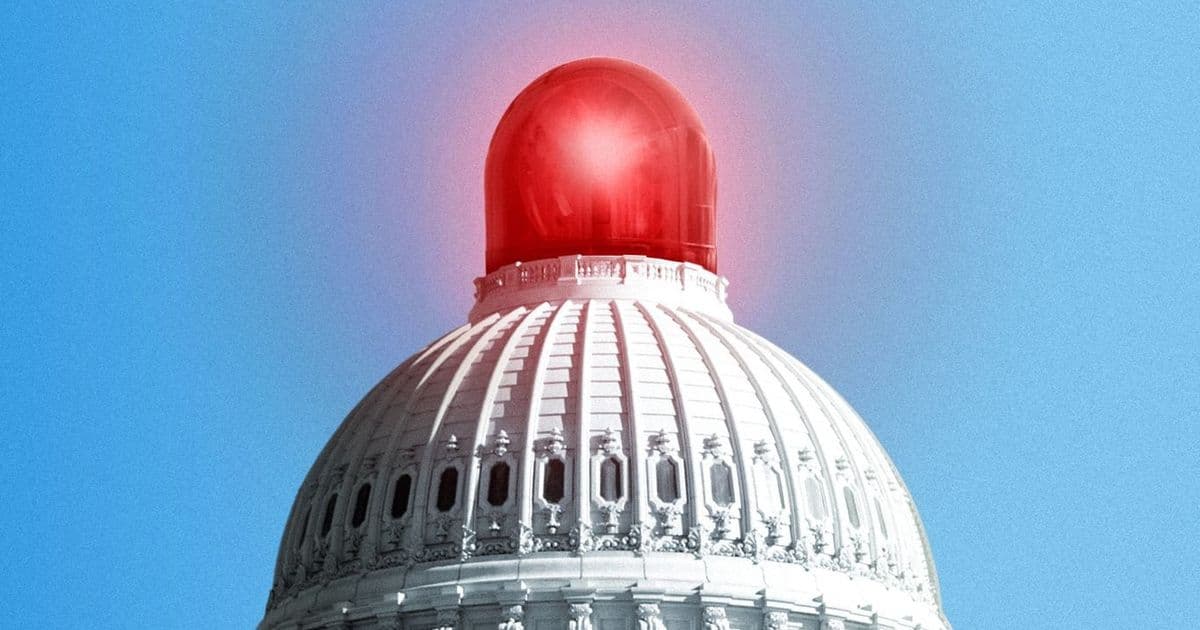
Two prominent members of Congress have resigned amid escalating ethics investigations, signaling a breaking point in congressional accountability.
The United States Congress is grappling with an unprecedented ethics crisis as two high-profile members, Representative Eric Swalwell (D-CA) and Representative Tony Gonzales (R-TX), have resigned from their positions amid mounting allegations and investigations.
The Breaking Point
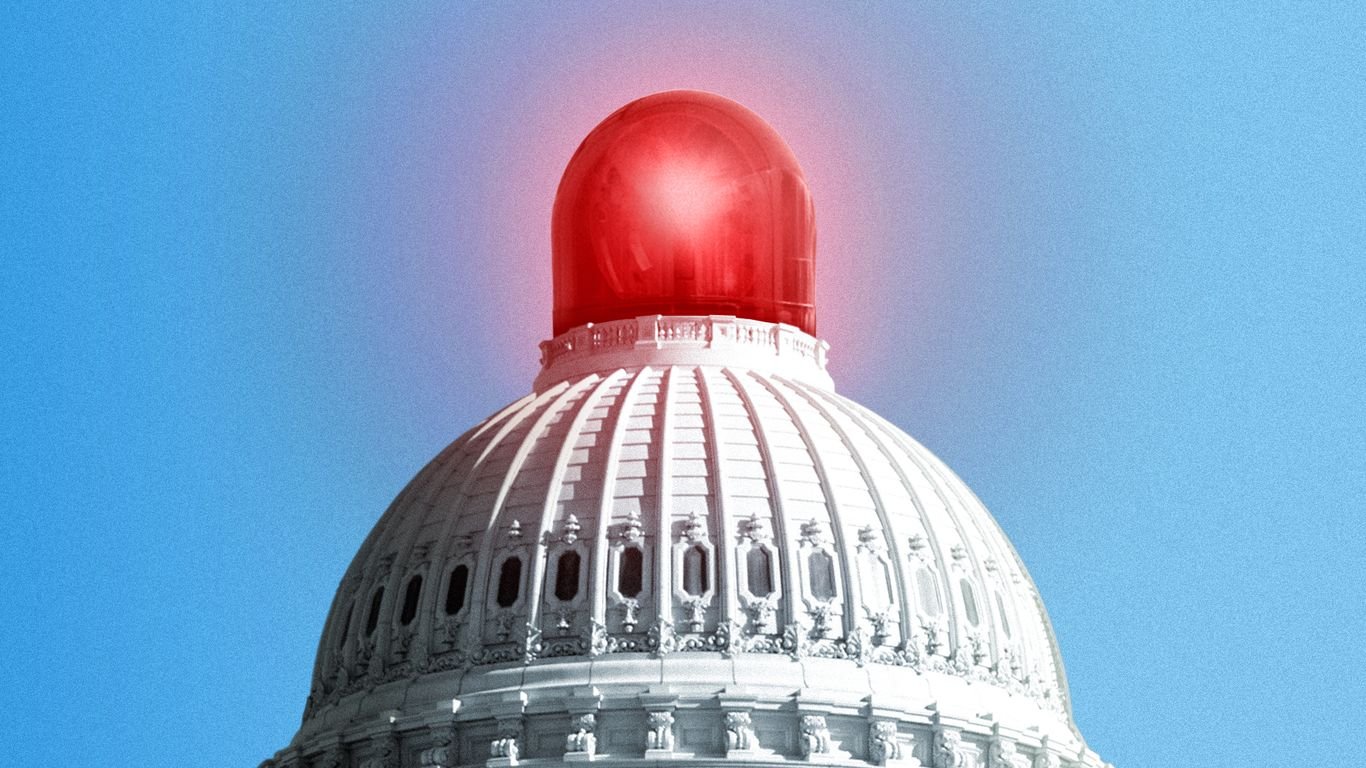
The resignations mark a watershed moment in congressional oversight, with both parties acknowledging that the current system of self-policing has reached its limits. The House Ethics Committee has been overwhelmed with complaints and investigations, leading to calls for reform from across the political spectrum.
Swalwell, who served on the House Intelligence Committee, faced allegations related to his handling of classified information and potential conflicts of interest. Gonzales, a member of the House Homeland Security Committee, was under investigation for campaign finance violations and misuse of official resources.
Systemic Failures
The crisis has exposed deep flaws in the congressional ethics process. The Office of Congressional Ethics, designed to be an independent watchdog, has been criticized for being understaffed and underfunded. Meanwhile, the House Ethics Committee, composed of sitting members, has been accused of moving too slowly and protecting its own.
"This is a moment of reckoning," said a senior congressional aide who requested anonymity. "The system is designed to police itself, but when everyone is under investigation, who's left to do the policing?"
Political Fallout
The resignations have sent shockwaves through Capitol Hill, with both parties now facing pressure to address the ethics crisis. House Speaker Mike Johnson (R-LA) has called for a bipartisan commission to examine reforms, while Senate Majority Leader Chuck Schumer (D-NY) has proposed legislation to strengthen the Office of Congressional Ethics.
Political analysts suggest the crisis could impact the 2024 elections, with voters increasingly concerned about corruption and accountability in government. A recent poll showed that 68% of Americans believe Congress needs major reform to address ethical issues.
What Comes Next
As Congress attempts to navigate this crisis, several key questions remain:
- Will the resignations lead to meaningful ethics reform, or will they be seen as isolated incidents?
- How will the vacancies be filled, and what impact will this have on committee compositions?
- Can Congress restore public trust in its ability to police itself?
The coming weeks will be critical as both chambers work to address these issues. With the 2024 elections looming, the pressure to act is mounting.
Historical Context
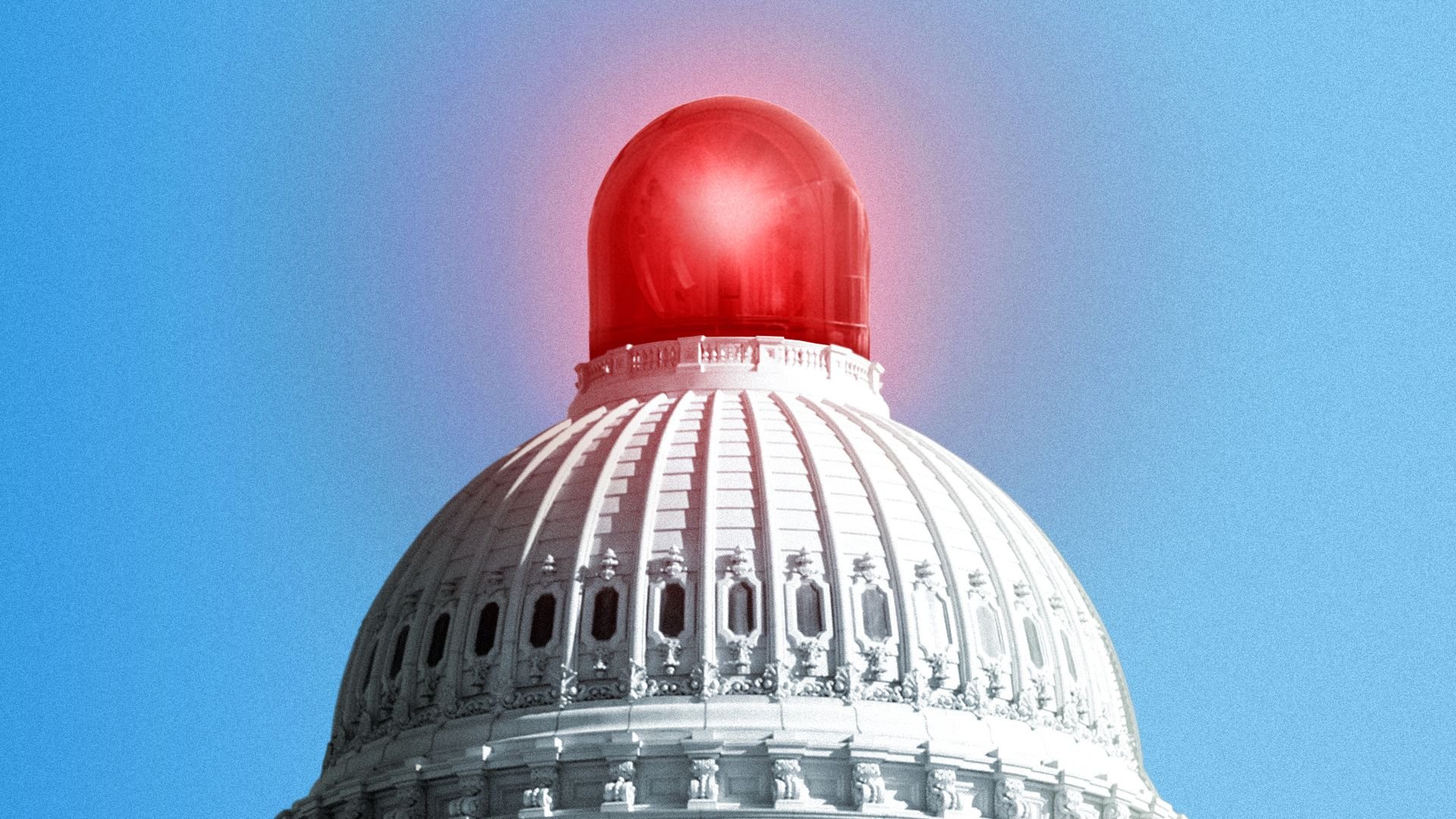
This isn't the first time Congress has faced an ethics crisis. The 1990s saw a series of high-profile scandals that led to the creation of the Office of Congressional Ethics. However, the current situation is unique in its scope and the speed at which it has unfolded.
Previous ethics crises typically involved individual members or small groups. The current situation involves multiple members from both parties, suggesting a systemic problem rather than isolated incidents.
Reform Proposals
Several reform proposals are being discussed:
- Independent Oversight: Creating a truly independent ethics commission with the power to investigate and sanction members
- Transparency Measures: Requiring more detailed disclosure of financial interests and potential conflicts
- Term Limits: Implementing term limits for committee chairs and leadership positions to reduce the concentration of power
- Enhanced Training: Mandatory ethics training for all members and staff
The Road Ahead
The resignations of Swalwell and Gonzales may be just the beginning. Sources within Congress suggest that several other members are under investigation and could face similar fates.
As the 118th Congress grapples with this crisis, the question remains: can it reform itself before public trust erodes further? The answer will likely shape the future of American democracy.
For now, Capitol Hill is in a state of uncertainty, with members and staff alike wondering who might be next. The ethics crisis has become the dominant narrative in Washington, overshadowing other legislative priorities and threatening to paralyze the institution.
The coming months will test whether Congress can rise to the challenge and restore its credibility, or whether this marks the beginning of a deeper institutional crisis.
Comments
Please log in or register to join the discussion