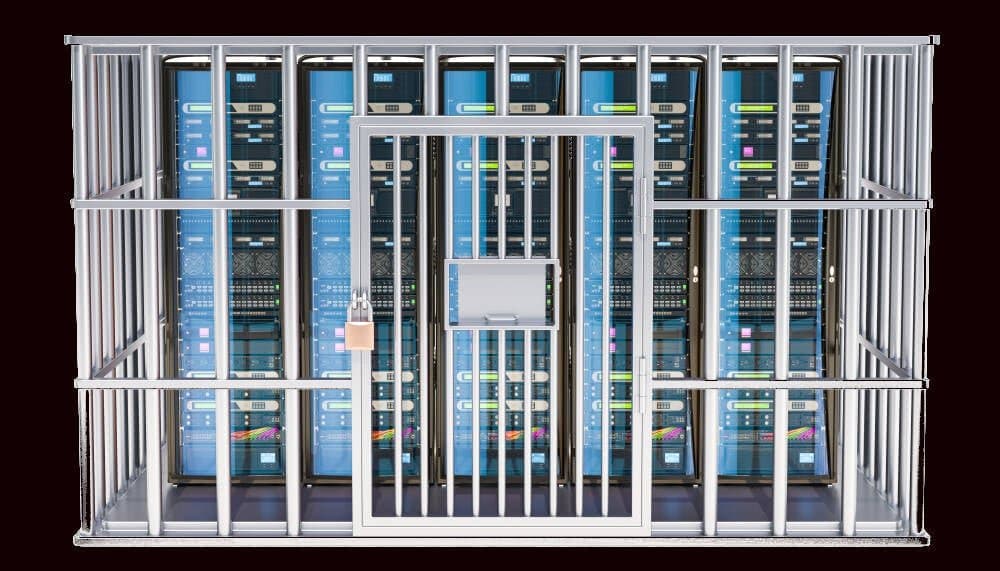
Field engineer detained for hours after completing assigned task, highlighting dangerous miscommunication between IT vendors and clients.
When Kent arrived at the private datacenter to replace a failed system board in an HP server, he expected a routine four-hour job. What he experienced instead was a harrowing ordeal that raises serious questions about workplace safety and professional boundaries in the IT industry.
The incident began normally enough. Kent completed the motherboard replacement, verified the hardware was functioning correctly, and watched as the client's administrator logged in to confirm everything was working. But as he prepared to leave, the situation took a disturbing turn.
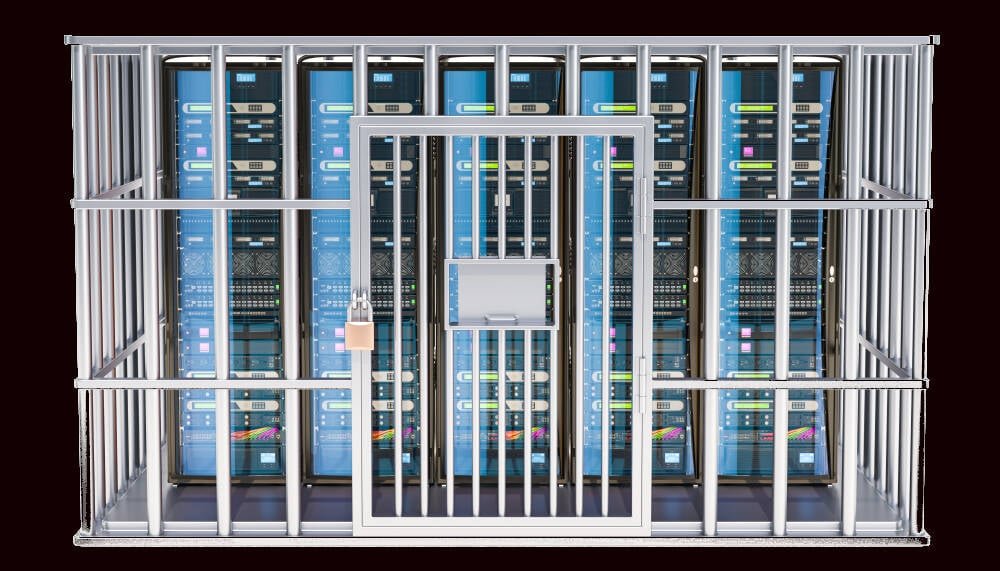
Kent found himself trapped in the mantrap security system - the revolving door and swipe-card barrier combination that datacenters use to control access. When he called out to security, he learned the client had ordered him held because "there's still a problem with the server."
What followed was a Kafkaesque scenario where Kent, having successfully completed his assigned task, became an unwilling hostage for over three hours. The client's logic was circular: an application was malfunctioning, the hardware vendor blamed the OS, the OS vendor suggested hardware instability, and since hardware had just been replaced, the technician who performed the replacement must be responsible.
This case exemplifies a dangerous pattern in IT support where clear boundaries between responsibilities become blurred. The client had contracted Kent to replace a motherboard - a task he completed successfully. However, when a separate software issue emerged, they attempted to hold him accountable for problems outside his scope of work.
Kent's supervisor eventually intervened with an ultimatum: release the technician immediately or face potential consequences including pulling the fire alarm or calling police. This dramatic escalation underscores how quickly professional disagreements can spiral into safety concerns when proper protocols aren't followed.
The aftermath was equally troubling. Twenty minutes after his release, Kent received a call from the client's administrator - not to apologize, but to inform him he was banned from the site. His "crime" was successfully completing the task he was hired to do while a separate software issue remained unresolved.
This incident raises several critical issues for the IT industry:
Professional Boundaries: Clear scope definitions in service contracts are essential. Technicians should not be held responsible for issues outside their assigned tasks.
Workplace Safety: No employee should ever be detained against their will, regardless of the circumstances. This incident could have legal implications under workplace safety regulations.
Communication Failures: The breakdown between the client, their administrators, and the service provider highlights the need for better escalation procedures and clear lines of responsibility.
Industry Culture: The fact that Kent was banned rather than apologized to suggests a toxic environment where vendors are scapegoated for systemic issues.
For IT professionals, this story serves as a cautionary tale about the importance of documenting work completed, maintaining clear communication about scope boundaries, and knowing when to escalate situations that compromise personal safety. For clients, it's a reminder that holding service providers hostage solves nothing and can create legal liability.
As Kent himself noted, his brief was simple: swap a board. The board was swapped. Everything else was someone else's problem - a principle that should be fundamental to how IT services are delivered and managed.
Comments
Please log in or register to join the discussion