As Core Scientific joins the wave of companies abandoning crypto mining for AI data centers, we examine the broader implications for digital rights, environmental sustainability, and the concentration of power in the AI ecosystem.
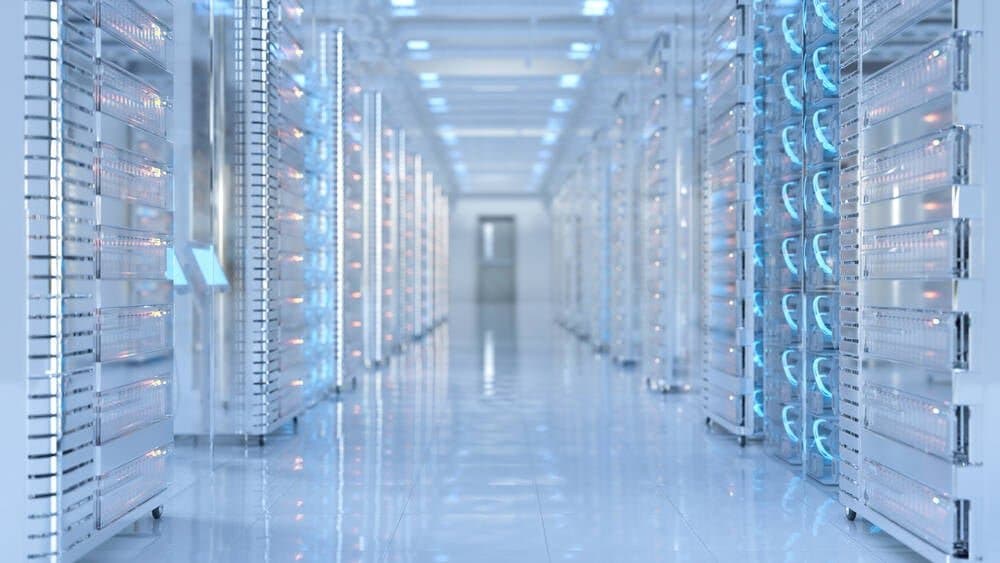
In a move that highlights the shifting priorities of the tech industry, Core Scientific has announced plans to convert its 300-megawatt Bitcoin mining operation in Pecos, Texas, into a 1.5 gigawatt AI datacenter campus. This transition represents more than just a business pivot—it raises significant questions about environmental impact, digital rights, and the future of AI infrastructure.
The company's decision comes amid a broader trend of crypto miners repositioning themselves for the AI boom. Core Scientific plans to sell $3.3 billion in junk bonds to facilitate this move, joining companies like CoreWeave and Crusoe in what some are calling the "crypto-to-AI bandwagon." When complete, the facility will offer approximately a gigawatt of leasable capacity—roughly equivalent to a large nuclear reactor's output.
Environmental Concerns and Regulatory Scrutiny
The most immediate concern is the environmental impact of this transition. While Bitcoin mining has drawn criticism for its energy consumption, AI infrastructure presents its own significant challenges. The International Energy Agency estimates that training a single large AI model can consume as much energy as 100 homes over a year. With facilities like Core Scientific's planned to consume gigawatts of power, the cumulative environmental impact could be substantial.
Regulatory bodies are beginning to take notice. Under the European Union's Corporate Sustainability Reporting Directive (CSRD), companies will soon be required to disclose detailed information about their environmental impact, including energy consumption and carbon emissions. In the United States, the Securities and Exchange Commission (SEC) has proposed rules requiring climate risk disclosures that would apply to companies like Core Scientific.
"The shift from crypto to AI doesn't eliminate the environmental concerns—it transforms them," notes Dr. Elena Rodriguez, an environmental technology policy analyst. "Instead of securing energy for proof-of-work mining, companies are now securing power for energy-intensive AI model training and inference. The regulatory frameworks are still catching up to these new demands."
Concentration of Power and Digital Rights Implications
Beyond environmental concerns, the concentration of AI infrastructure in the hands of a few corporations raises significant digital rights questions. As companies like Core Scientific, Google, Amazon, and Microsoft build massive AI data centers, they gain unprecedented control over the computational resources that power AI development and deployment.
This concentration of power has several implications:
Market Access Barriers: Smaller AI developers and researchers may find it increasingly difficult to access the computational resources needed to compete with well-funded corporations.
Privacy Implications: Centralized AI infrastructure creates new vulnerabilities for personal data. The EU's General Data Protection Regulation (GDPR) and California's Consumer Privacy Act (CCPA) impose strict requirements on data handling, but the scale of AI data centers presents new compliance challenges.
Algorithmic Bias: When a small number of entities control most AI infrastructure, there's a risk that diverse perspectives and approaches to AI development are marginalized, potentially exacerbating algorithmic bias.
"The concentration of AI infrastructure represents a fundamental shift in power dynamics," explains Sarah Jenkins, a digital rights advocate with the Electronic Frontier Foundation. "When a handful of companies control the computational resources, they also control the direction of AI development. This has profound implications for privacy, fairness, and democratic participation in the digital economy."
Power Solutions and Regulatory Responses
The energy demands of AI infrastructure have led companies to explore innovative—and sometimes controversial—power solutions. Core Scientific has secured 300 megawatts from local utilities but is seeking additional "scalable behind-the-meter solutions." Other companies are pursuing more exotic approaches:
- Small modular reactors (SMRs) being explored by Google, Oracle, and AWS
- Orbital solar power projects, like Meta's agreement with Overview Energy
- Bloom Energy's fuel-cell technology that converts hydrogen or natural gas
- Portable gas generators as deployed by xAI's Colossus facility
Regulators are beginning to respond to these developments. The Federal Energy Regulatory Commission (FERC) is examining the impact of AI data centers on grid stability, while environmental agencies are assessing the implications of various power generation technologies.
Looking ahead, we can expect several regulatory developments:
Energy Disclosure Requirements: Companies may be required to disclose the sources and environmental impact of their energy consumption.
AI Infrastructure Siting Regulations: Local and state governments may implement new requirements for where and how AI data centers can be located, particularly regarding proximity to residential areas and environmental sensitivity.
Antitrust Scrutiny: As AI infrastructure becomes increasingly concentrated, regulatory agencies may apply antitrust principles to prevent monopolistic control of computational resources.
Data Protection Enhancements: Regulations like GDPR and CCPA may be updated to address the unique privacy challenges posed by large-scale AI systems.
As Core Scientific and other companies make this transition from crypto to AI, they must navigate not only technical and business challenges but also evolving regulatory landscapes and growing public concern about environmental impact and digital rights. The decisions made today will shape the future of AI development and its impact on society for decades to come.
Comments
Please log in or register to join the discussion