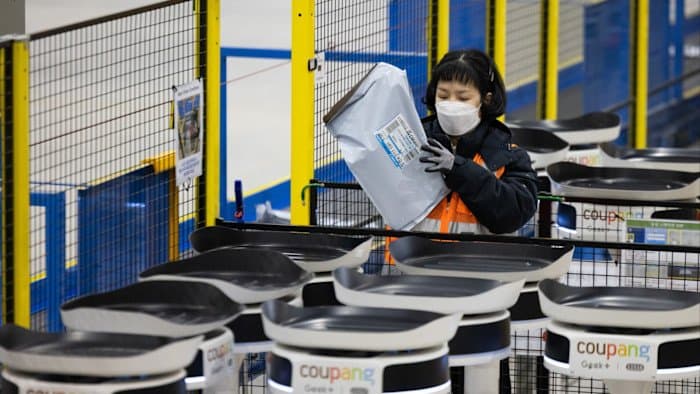
South Korean e-commerce giant Coupang is lobbying US officials to represent its interests as it faces multiple data leak investigations in South Korea, with its CEO attending Trump's State of the Union address.
Coupang, South Korea's largest e-commerce company, is actively lobbying US officials to represent its interests as it faces over 10 data leak investigations in its home country. The company, which has its headquarters in Seattle, is leveraging its US presence to counter regulatory pressure from Seoul authorities.
According to reports, Coupang's CEO Harold Rogers attended President Trump's recent State of the Union address, signaling the company's efforts to strengthen ties with US political leadership. This high-profile appearance comes as South Korean regulators intensify their scrutiny of the company's data handling practices.
The data leak probes center on allegations that Coupang mishandled customer information, potentially exposing millions of users to privacy risks. South Korean authorities have been investigating the scope and impact of these alleged breaches, which could result in significant fines and operational restrictions for the company.
By positioning itself as a US-based company with American leadership, Coupang appears to be seeking political protection and regulatory relief from Washington. This strategy mirrors tactics used by other multinational corporations facing hostile regulatory environments in their home countries.
Coupang's situation highlights the complex geopolitical dynamics facing tech companies operating across multiple jurisdictions. The company's dual identity as both a Korean giant and a US entity creates unique opportunities for regulatory arbitrage but also exposes it to scrutiny from multiple governments.
The outcome of these investigations could have significant implications for Coupang's operations in South Korea, where it maintains a dominant market position in e-commerce and food delivery services. The company's ability to navigate this regulatory challenge while maintaining its growth trajectory will be closely watched by investors and industry observers.
This case also raises broader questions about data sovereignty, cross-border regulation, and the extent to which companies can use their international presence to influence domestic regulatory outcomes.
Comments
Please log in or register to join the discussion