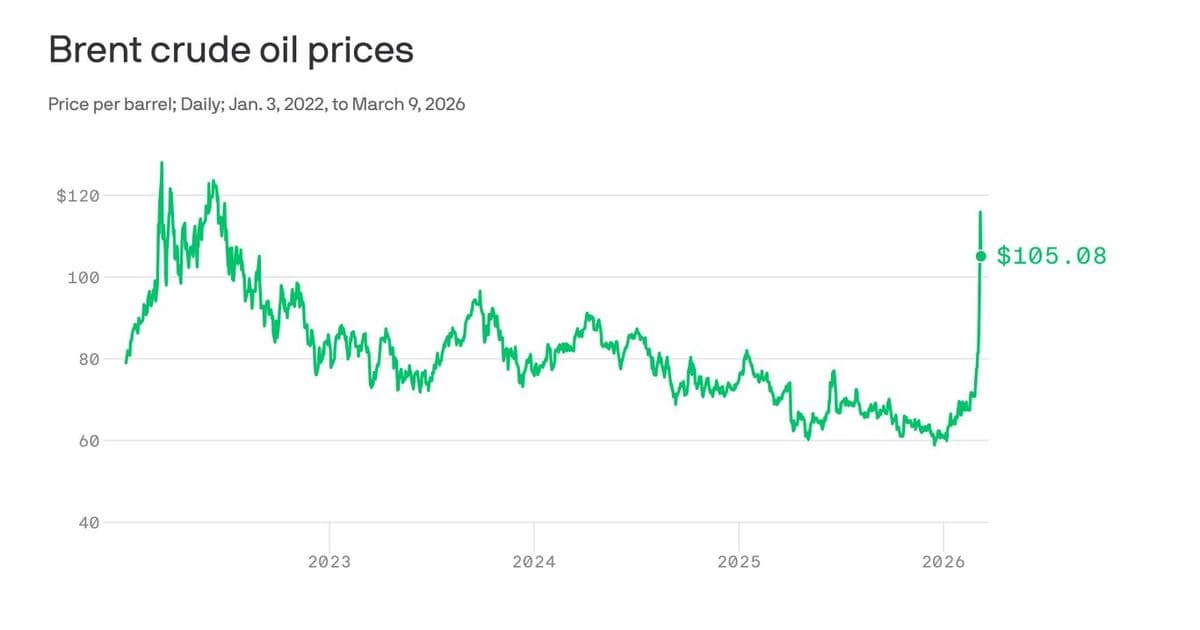
The conflict with Iran is triggering significant economic consequences across global markets, from oil price volatility to supply chain disruptions, creating mounting pressure on businesses and consumers worldwide.
The Iran War's Economic Blowback Is Getting Real
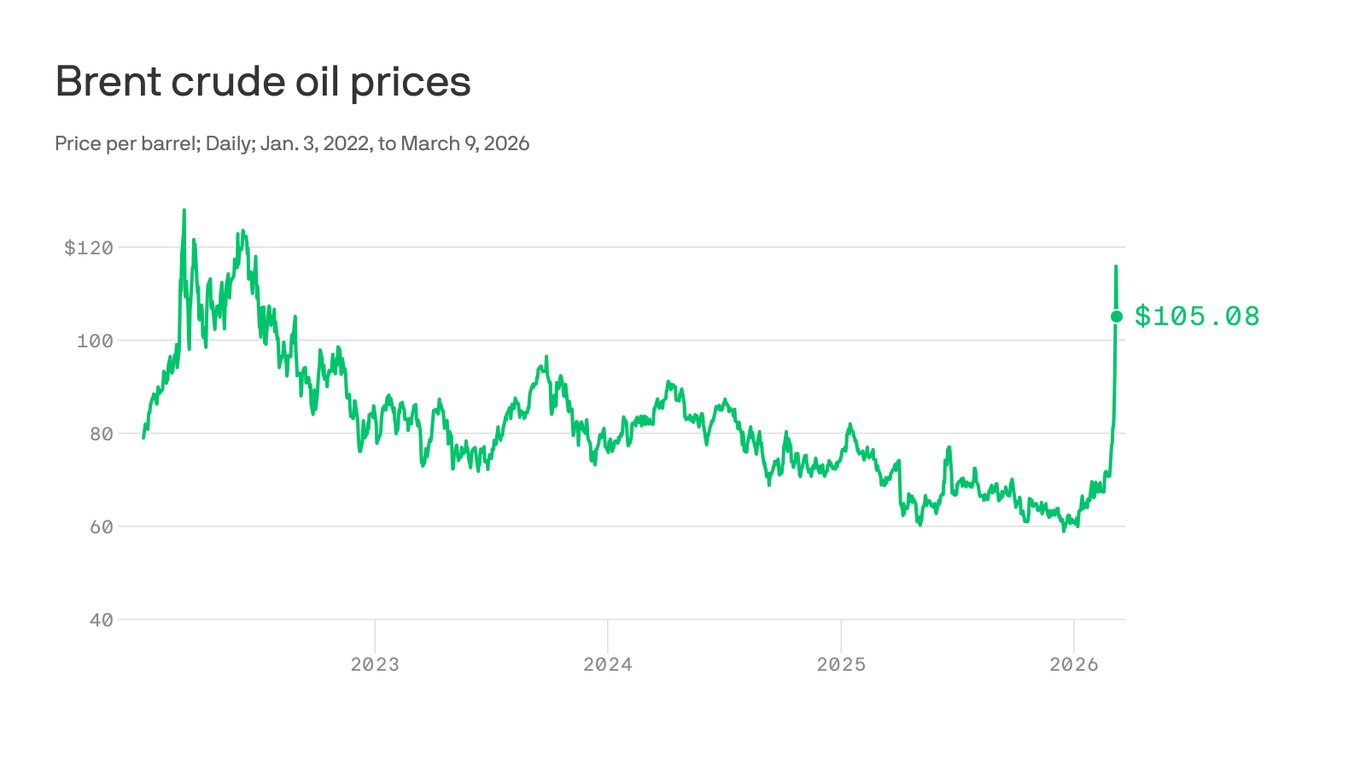
The conflict with Iran, which has escalated dramatically over the past several months, is no longer just a geopolitical crisis—it's becoming a full-blown economic shock that's rippling through global markets with increasing intensity.
Oil Markets in Turmoil
The most immediate and visible impact has been on oil prices. Brent crude has surged past $95 per barrel, a level not seen since the aftermath of Russia's invasion of Ukraine. The Strait of Hormuz, through which roughly 20% of the world's oil passes, remains a flashpoint, with shipping insurance costs spiking by over 300% in recent weeks.
"Energy markets are pricing in a significant risk premium," says Sarah Johnson, chief commodities strategist at Global Markets Analytics. "We're seeing volatility not just in crude oil, but across the entire energy complex—natural gas, refined products, even renewable energy futures are being affected as investors reassess risk."
Supply Chain Disruptions Multiply
The conflict's impact extends far beyond energy. The Red Sea shipping route, already strained by Houthi attacks, has seen a 40% reduction in traffic as vessels reroute around Africa's Cape of Good Hope. This adds 10-14 days to shipping times and increases costs by $2,000-$4,000 per container.
Major retailers are already feeling the pinch. Walmart reported a 15% increase in shipping costs for goods from Asia, while Target warned of potential shortages in electronics and apparel ahead of the critical summer shopping season.
Inflation Pressures Return
After a year of declining inflation rates, the Iran conflict threatens to reverse that trend. The Producer Price Index rose 0.6% in March, its largest monthly increase since June 2022, with energy and transportation costs leading the charge.
Consumer-facing companies are beginning to pass these costs along. Chipotle announced a 3-5% menu price increase, citing higher transportation and ingredient costs. Airlines have implemented fuel surcharges on international routes, with Delta adding $50 to $100 to long-haul tickets.
Tech Sector Vulnerabilities Emerge
Perhaps most surprisingly, the tech sector is showing unexpected vulnerabilities. Taiwan, home to the world's most advanced semiconductor manufacturing, relies on Iran for 12% of its aluminum imports used in chip production. Any disruption could create bottlenecks in everything from smartphones to AI processors.
"The semiconductor industry's just-in-time inventory model leaves little room for supply shocks," explains Dr. Michael Chen, a supply chain researcher at MIT. "A three-month disruption in key materials could create shortages lasting six to nine months due to the complexity of chip manufacturing."
Financial Markets Jittery
Stock markets have reacted with pronounced volatility. The S&P 500 has experienced three 2% daily swings in the past month—a frequency not seen since the banking crisis of March 2023. The VIX volatility index, Wall Street's "fear gauge," has jumped 40% above its 200-day moving average.
Bond markets are also flashing warning signs. The yield on 10-year Treasury notes has fallen to 3.8%, a classic "flight to safety" move that suggests investors are bracing for economic turbulence.
Regional Economic Hotspots
Certain regions face disproportionate risk. Europe, already grappling with energy transition challenges, is particularly vulnerable. Germany's industrial sector, which relies on Iran for 8% of its palladium imports (critical for catalytic converters and electronics), could see production costs rise by €2 billion annually if the conflict persists.
In the United States, battleground states like Michigan and Ohio face heightened risk. Both states have significant automotive manufacturing sectors that depend on stable energy prices and uninterrupted supply chains. A prolonged conflict could tip these economically sensitive states toward recessionary conditions.
Central Banks Walk a Tightrope
The Federal Reserve and other major central banks now face an impossible dilemma. With inflation pressures mounting, the Fed may need to keep interest rates higher for longer, potentially tipping the economy into recession. Yet cutting rates to stimulate growth could unleash a new inflation spiral.
"Central banks are in an incredibly difficult position," says economist Dr. Lisa Thompson of Brookings Institution. "They're essentially being asked to manage both a supply shock and a potential demand shock simultaneously—a task for which their tools were never designed."
What Comes Next
The economic consequences of the Iran conflict will likely intensify in the coming months. Summer driving season typically increases oil demand by 10-15%, potentially pushing prices above $100 per barrel if the conflict continues. The November elections in the United States could become a referendum on economic management as inflation and supply chain issues dominate voter concerns.
Businesses across sectors are developing contingency plans. Manufacturing companies are exploring nearshoring options, retailers are building inventory cushions, and tech firms are diversifying their supply chains away from vulnerable chokepoints.
"We're witnessing a fundamental reshaping of global economic assumptions," concludes Johnson of Global Markets Analytics. "The era of just-in-time everything, ultra-cheap shipping, and stable energy prices may be ending. Companies and consumers alike need to prepare for a more volatile, expensive, and uncertain economic environment."
As the conflict with Iran continues to evolve, one thing is clear: the economic blowback is no longer a distant threat—it's here, and it's getting real.
Comments
Please log in or register to join the discussion