South Korean court imposes 7-year prison sentence on former Samsung engineer who sold critical 10nm DRAM manufacturing data to CXMT for $2 million, enabling Chinese competitor's rapid technological advancement.
A South Korean court has sentenced 56-year-old former Samsung engineer "Jeon" to seven years in prison for violating the country's Industrial Technology Protection Act. The engineer was convicted of selling detailed chipmaking trade secrets to China's CXMT (CXMT), with the court determining that the stolen information represented "core national technology" that could cause South Korea potentially trillions in lost revenue and competitive advantage.
The case centers on the theft of over 600 detailed steps related to 10nm DRAM manufacturing processes. Samsung invested approximately 1.6 trillion KRW (about $1.08 billion) over five years in developing this technology. The court found that Jeon shared these critical manufacturing details via handwritten notes after leaving Samsung to join CXMT, receiving 2.9 billion KRW ($2 million) in compensation, plus stock options and other contract incentives.
The technological impact of this theft is particularly significant. CXMT, which was manufacturing 17nm DRAM in 2022, abruptly jumped to 10nm production in 2023—a remarkable technological leap for a company with otherwise limited access to cutting-edge lithography tools. The prosecution argued that Samsung's stolen IP directly contributed to CXMT's accelerated development timeline and market position.
From a technical perspective, the 10nm DRAM process represents a critical node in semiconductor manufacturing. At this scale, chip features are approximately 10 nanometers in size, enabling higher memory density and improved performance compared to previous generations. The manufacturing process involves extremely precise photolithography, etching, and deposition techniques that require extensive R&D investment and expertise.
The case highlights the growing importance of semiconductor IP in global competition. DRAM (Dynamic Random Access Memory) manufacturing is particularly valuable as it forms the foundation of modern computing systems, from smartphones to data centers. The ability to produce smaller, more efficient DRAM chips directly impacts device performance, power consumption, and cost.
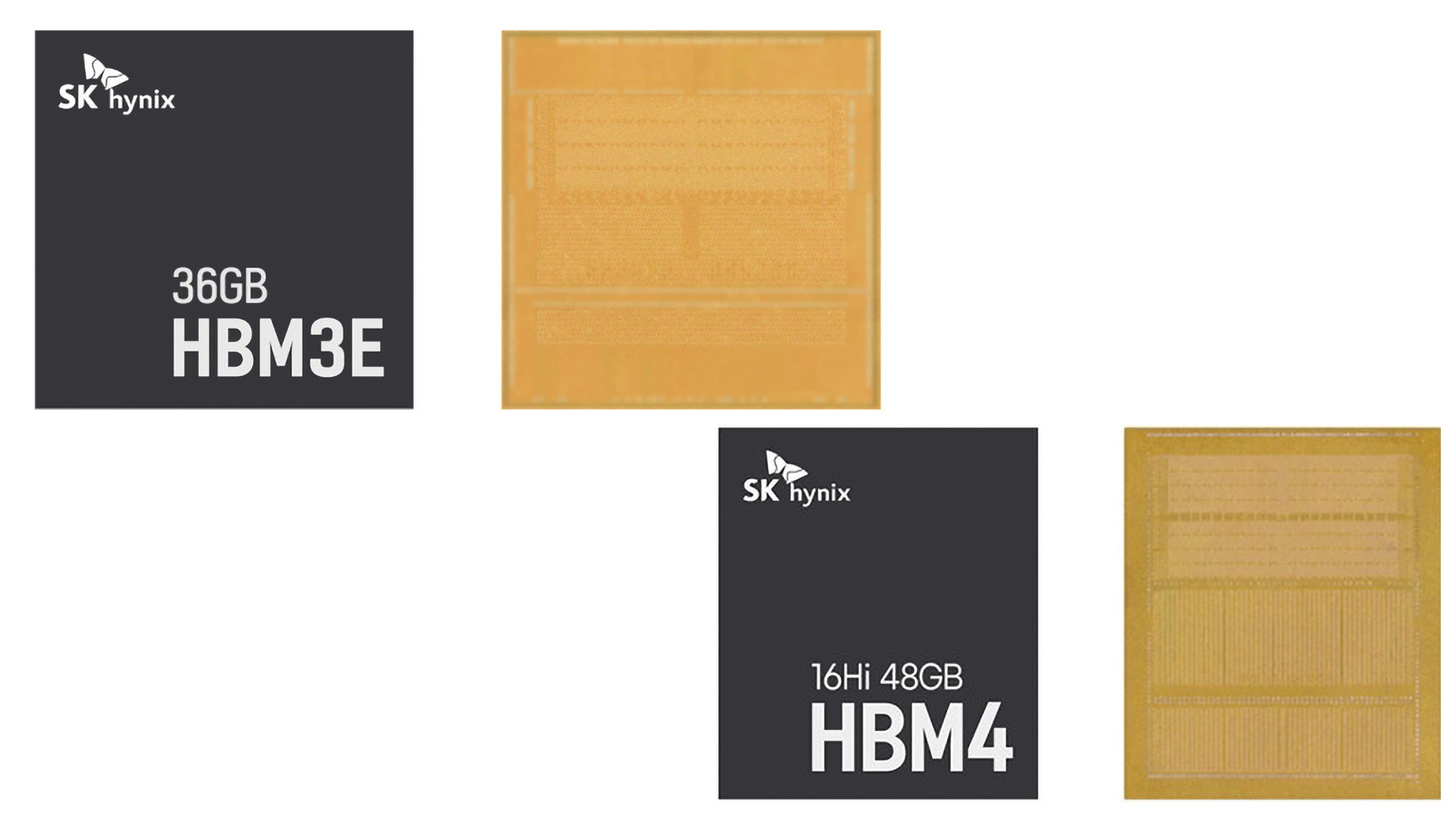
Market implications extend beyond Samsung's immediate losses. The stolen IP potentially enabled CXMT to secure customers who might have otherwise purchased from Samsung, creating a double impact through both lost revenue and competitive displacement. This occurs amid broader industry shifts, as major DRAM manufacturers like Samsung, SK Hynix, and Micron increasingly focus production on HBM (High Bandwidth Memory) for AI accelerators.
The strategic importance of memory technology has grown significantly with the rise of AI and big data. HBM, which stacks multiple DRAM chips vertically to achieve much higher bandwidth than traditional DDR memory, has become critical for AI training and inference. This shift has created market opportunities for alternative suppliers like CXMT, as traditional manufacturers prioritize HBM production over standard DRAM.
Geopolitically, the case reflects broader tensions in the semiconductor supply chain. CXMT appears on the U.S. "Section 1260H" list of companies suspected of aiding the Chinese military, though it remains unbaned in the U.S. market. Meanwhile, Western companies including HP, Asus, and Dell have reportedly shown increasing interest in sourcing memory from Chinese suppliers amid ongoing component shortages.
The sentencing reflects South Korea's determination to protect its semiconductor industry crown jewels. The court's consideration of Jeon's relatively low compensation at Samsung as a mitigating factor suggests acknowledgment of industry wage pressures while still emphasizing the severe consequences of IP theft.
This case serves as a stark reminder of the immense value embedded in semiconductor IP and the lengths to which competitors may go to acquire it. As the global semiconductor industry continues to evolve amid technological advancement and geopolitical realignment, protecting manufacturing processes and technical specifications will remain critical to maintaining competitive advantage.
Comments
Please log in or register to join the discussion