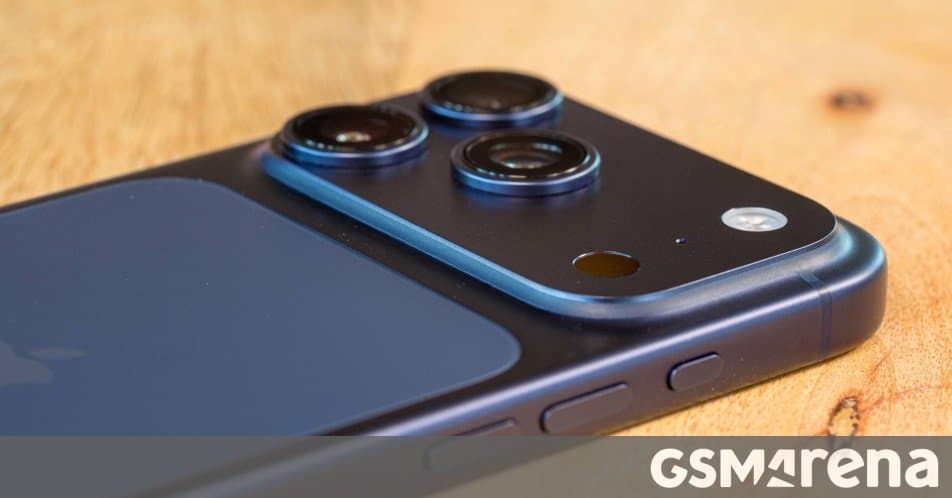
Apple's planned camera upgrades for upcoming iPhone generations span from variable apertures to dual 200MP systems, signaling a significant shift in mobile photography capabilities.
iPhone Camera Evolution: A Multi-Year Upgrade Roadmap Revealed
Apple appears to be embarking on an ambitious camera upgrade cycle for its iPhone Pro lineup, with a multi-year plan that will fundamentally transform the photography capabilities of the device. Recent leaks from Digital Chat Station on Weibo provide the clearest picture yet of Apple's camera roadmap, revealing a deliberate strategy to introduce major camera innovations incrementally across several generations.
The 2026 Foundation: Variable Aperture Arrives
The first major camera upgrade will arrive with the iPhone 18 Pro and iPhone 18 Pro Max this September, introducing variable aperture technology to the iPhone lineup. This feature, which has been available on some Android competitors for several years, allows the camera to adjust its aperture opening to capture more or less light depending on shooting conditions.
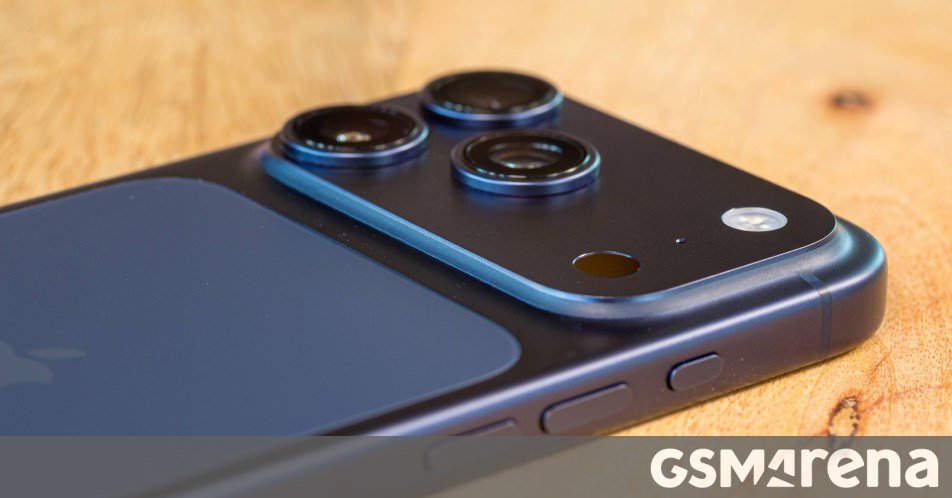
Variable aperture represents a significant technical achievement for Apple, as it requires precise mechanical engineering to create an iris that can dynamically adjust from f/1.78 to f/4.0. This capability will give iPhone photographers greater control over depth of field and low-light performance, bringing the iPhone closer to the flexibility of dedicated cameras. The implementation suggests Apple is finally acknowledging the importance of hardware innovation beyond computational photography.
2027's Leap: 200MP Main Camera
The following year, Apple plans to equip its Pro models with a 200MP main camera featuring a 1/1.12" sensor. This represents a substantial increase from the current 48MP sensors in iPhone Pro models and would place Apple among the leaders in smartphone camera resolution.
The 1/1.12" sensor size is particularly noteworthy, as it approaches the physical dimensions of dedicated compact camera sensors while still fitting within the slim profile of a smartphone. This larger sensor will capture significantly more light, resulting in improved low-light performance, better dynamic range, and reduced noise in challenging lighting conditions.
Apple's approach to high-resolution sensors differs from many Android manufacturers. While competitors often use pixel binning to combine multiple pixels into larger virtual pixels, Apple is expected to leverage its computational photography expertise to provide multiple output options - from full 200MP resolution for detailed cropping to optimally binned 12.5MP images for everyday photography.
2028's Double Vision: Dual 200MP System
The most ambitious upgrade comes in 2028 with the introduction of a 200MP periscope telephoto camera. This would make the iPhone Pro the first smartphone to feature two 200MP cameras, creating unprecedented versatility for mobile photography.
The periscope design allows for significantly greater optical zoom capability compared to traditional telephoto lenses. By folding the light path within the phone, Apple can achieve 5x or greater optical zoom without adding excessive thickness to the device. When combined with the 200MP resolution, this would enable detailed zoom shots that were previously impossible on a smartphone.
What makes this implementation particularly interesting is Apple's likely approach to image processing. With two high-resolution sensors, Apple can develop sophisticated computational photography techniques that compare data from both cameras to enhance detail, reduce noise, and improve zoom quality beyond what either sensor could achieve alone.
Stabilization Revolution: Gimbal-like OIS for Ultrawide
Sometime between 2027 and 2028, Apple is also expected to introduce gimbal-like optical image stabilization (OIS) for the ultrawide camera. This represents a significant advancement beyond traditional OIS systems.
Traditional OIS typically allows for limited movement (around 0.5-1 degree of rotation) to compensate for hand movement. Gimbal-like OIS, by contrast, would allow for much greater movement, potentially approaching 3 degrees of rotation. This would dramatically improve video stability and low-light photography performance for the ultrawide camera, which has historically been the most challenging lens to stabilize effectively.
The implementation of gimbal-like OIS suggests Apple is recognizing the growing importance of video content creation on the iPhone, where stability is paramount for professional-looking results.
Technical Considerations and Trade-offs
These ambitious camera upgrades come with significant technical challenges. Higher resolution sensors require more processing power, which could impact battery life and thermal management. The larger sensor in the 2027 model may necessitate a camera bump that contradicts Apple's recent efforts to reduce device thickness.
The dual 200MP system in 2028 presents particularly interesting computational photography challenges. Apple will need to develop sophisticated algorithms to manage the massive data flow from both sensors while maintaining real-time performance. The company's strength has always been in its tight integration of hardware and software, and these upgrades will test that integration more than ever.
Ecosystem Lock-in and Future-Proofing
These camera upgrades represent more than just incremental improvements - they're part of Apple's strategy to create an increasingly sticky ecosystem. The high-quality camera capabilities encourage users to stay within the Apple ecosystem for photo storage, editing, and sharing.
Apple's Photos app, iCloud, and associated services create a complete workflow that becomes more valuable as the camera hardware improves. Users who invest in the high-end iPhone Pro models with these advanced cameras will have even more incentive to remain within the Apple ecosystem for their photography needs.
The multi-year rollout also serves a strategic purpose. By spreading major upgrades across several generations, Apple can maintain a steady stream of innovations that encourage Pro users to upgrade annually while also creating clear differentiation between standard and Pro models.
Market Context and Competitive Positioning
These camera upgrades place Apple in direct competition with Android manufacturers like Samsung and Xiaomi, who have already introduced 200MP sensors and advanced zoom capabilities. However, Apple's approach differs in several key ways:
Integration over specs: While competitors often highlight megapixel counts, Apple emphasizes how hardware and software work together.
Incremental innovation: Rather than introducing all features at once, Apple is carefully rolling out improvements across multiple generations.
Video focus: Apple's camera development has increasingly emphasized video capabilities, with these upgrades likely improving video stability and quality.
The Road Ahead
Apple's camera roadmap reveals a company that is finally acknowledging the importance of hardware innovation in the smartphone market. While computational photography has been Apple's strength for years, the introduction of variable aperture, high-resolution sensors, and advanced stabilization demonstrates a renewed commitment to optical excellence.
The multi-year approach allows Apple to refine each technology before introducing the next, potentially avoiding the pitfalls of rushed implementations that have plagued some competitors. It also creates a clear upgrade path for Pro users who value photography capabilities.
As these technologies mature, we can expect to see them eventually trickle down to non-Pro models, further strengthening Apple's position across its entire iPhone lineup. The coming years promise to be an exciting time for iPhone photography enthusiasts, as Apple appears ready to compete more aggressively on camera hardware while maintaining its software advantage.
For more details on Apple's camera technology, you can visit GSMArena's iPhone coverage and Apple's official camera specifications.
Comments
Please log in or register to join the discussion