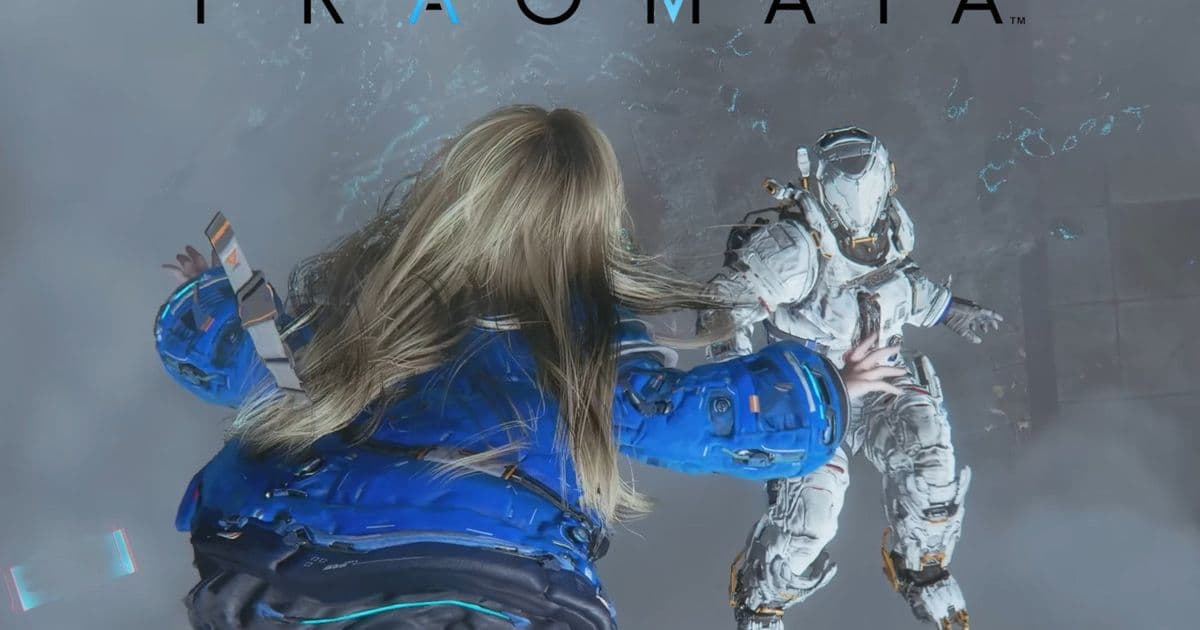
Despite impressive sales figures and positive reviews for their new IP Pragmata, Capcom's stock price experienced a significant decline, highlighting the complex relationship between game performance and investor expectations in the gaming industry.
Capcom Stock Falls Despite Strong Pragmata Reviews and 1 Million in Sales
What's New
Capcom recently announced that their new science fiction title Pragmata has sold 1 million copies since its release, a notable achievement for a new intellectual property. The game received positive reviews from critics and players alike, with many praising its innovative gameplay mechanics and compelling narrative. Despite these positive indicators, Capcom's stock price took an unexpected turn, declining by more than 5% following the sales announcement. The stock would later drop by an additional nearly 2% before experiencing a slight recovery.
TweakTown editor Derek Strickland expressed confusion about this market reaction, noting the disconnect between the game's strong performance and the negative stock movement. "After Capcom announced 1 million Pragmata sales, gamers might have anticipated investors rallying," Strickland observed. "Instead, in response to the news, the publisher's stock price began to tumble."
Game industry consultant Dr. Serkan Toto offered insights into this seemingly counterintuitive market behavior. Toto believes that for a new IP, Pragmata's sales figures more than met expectations. Capcom echoed this sentiment in their official statement, explaining that the game successfully overcame the lack of an "established fan base or preexisting brand recognition" that typically challenges new franchises.
How It Compares
Pragmata's performance stands in interesting contrast to Capcom's other recent releases. While 1 million sales in just two days is impressive for a new IP, it pales in comparison to the performance of Resident Evil Requiem, which notched 5 million sales in less than a week after its release. Despite that blistering pace, Capcom's stock remained relatively flat, suggesting that investors had already priced in the success of that established franchise.
The market reaction to Pragmata highlights a pattern in investor behavior. Stockholders appear to capitalize on growing hype before major releases, often leading to pre-launch stock appreciation. Once the actual sales numbers are announced, even if positive, there may be little room for further growth, leading to profit-taking and subsequent stock declines.
This pattern was evident with both Pragmata and Resident Evil Requiem. In both cases, trending searches and Steam player counts inevitably dropped off after the games' releases, and forward-thinking investors weren't particularly impressed by post-launch accolades. The most likely explanation for the stock decline is that investors had already anticipated strong performance and made their moves before the official sales announcement.
Who It's For
This situation provides valuable insights for several stakeholders in the gaming industry:
For investors, it demonstrates the importance of looking beyond surface-level sales figures. Market expectations, pre-launch hype, and the context of a franchise's established presence all play crucial roles in determining stock performance. Simply meeting expectations may not be enough to drive stock prices upward if those expectations were already baked into the market valuation.
For game developers and publishers, the Pragmata case illustrates the challenges of launching new IPs. While commercial success is important, managing investor expectations and communicating the strategic value of new franchises is equally critical. Capcom's response of teasing more games for 2026, including Onimusha: Way of the Sword, suggests they understand the need to maintain investor interest beyond a single title's performance.
For industry analysts, this situation underscores the complexity of the gaming market. Sales numbers alone don't tell the whole story; understanding investor psychology, market timing, and the broader competitive landscape is essential for accurate analysis.
Capcom seems aware of these dynamics, as they attempted to maintain interest with a "We're not done with 2026 yet" statement, hinting at future projects that could drive investor enthusiasm. As the gaming industry continues to evolve, understanding the relationship between commercial success and market valuation will remain crucial for all stakeholders.
Sources:
Comments
Please log in or register to join the discussion