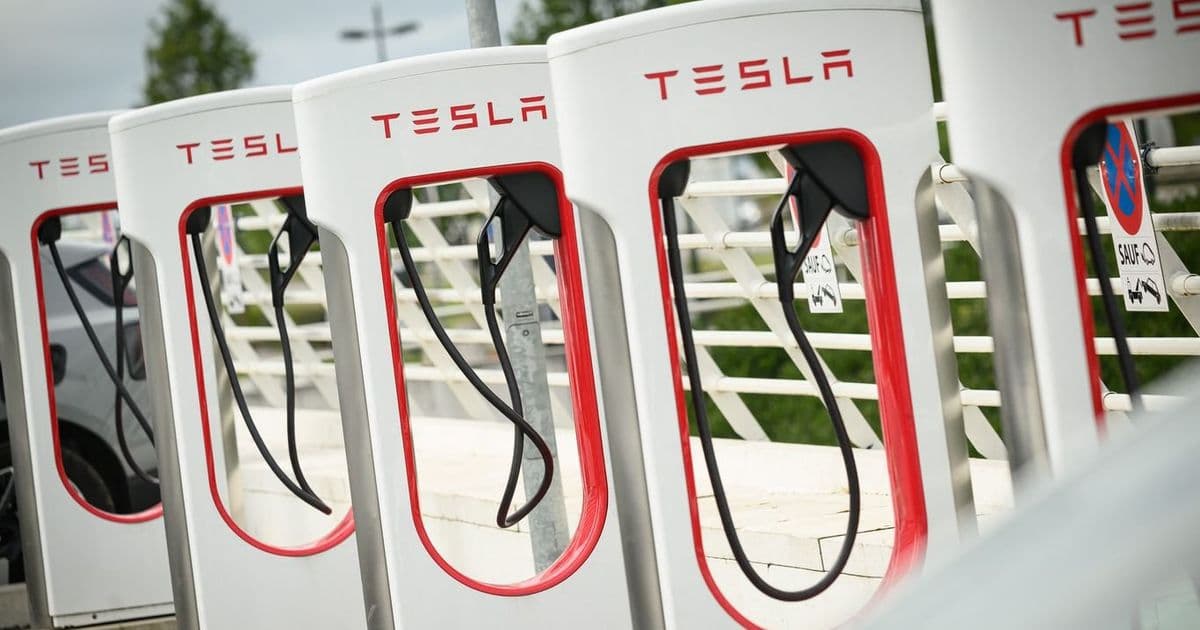
Tesla reported stronger-than-expected first quarter earnings, but growing investments in artificial intelligence and robotics are pressuring profit margins as the company diversifies beyond its automotive business.
Tesla's first quarter financial results revealed a complex picture of growth and strategic investment. The electric vehicle manufacturer reported $21.3 billion in revenue, exceeding analyst expectations by approximately $700 million. However, the company's operating margin contracted to 11.4%, down from 16.0% in the same period last year, primarily due to increased spending on AI development and robotics initiatives.
The earnings report, released after market close on Tuesday, showed Tesla delivered 444,086 vehicles globally during the quarter, a 4.8% increase year-over-year. This performance was bolstered by continued strong demand for Model Y and Model 3 vehicles, particularly in European and Asian markets. However, delivery growth remains below the company's historical averages, reflecting increasing competition in the EV market and production challenges at new facilities.
"We're investing heavily in the future," said Elon Musk during the earnings call, highlighting Tesla's expansion into AI technologies. "The transition to becoming an AI company is accelerating, and these investments will position us for long-term leadership."
Tesla's AI expenditures have become increasingly significant. The company reported $1.5 billion in AI-related research and development costs for the quarter, a 35% increase from the previous year. This funding supports multiple initiatives including the Dojo supercomputer project, the Optimus humanoid robot, and the development of autonomous driving technologies through Tesla's Full Self-Driving (FSD) software.
The Dojo supercomputer, designed to process vast amounts of video data to train Tesla's neural networks, represents one of the company's largest AI investments. According to Tesla's technical documentation, Dojo is capable of processing 1.1 exaflops of performance and represents a significant technical achievement in AI infrastructure. However, the project has consumed substantial resources without yet generating direct revenue.
Tesla's FSD software continues to be a double-edged sword. While the company has accumulated over 1 billion miles of real-world driving data through its fleet, regulatory hurdles and technical challenges have delayed widespread deployment. The software remains in beta testing, with limited availability to consumers who purchase the $15,000 option package.
Market analysts have expressed mixed reactions to Tesla's strategic direction. "The AI investments are necessary for Tesla's long-term competitiveness," said Jessica Caldwell, executive director of insights at Edmunds. "However, investors are increasingly concerned about the timeline for returns on these investments, especially as traditional automakers accelerate their own EV and AI initiatives."
Tesla's energy storage division showed particular strength, with revenue reaching $2.2 billion, a 145% year-over-year increase. This segment has become increasingly important to Tesla's business model, providing diversification beyond vehicle sales and contributing to the company's overall profitability despite margin pressures in automotive operations.
Looking ahead, Tesla faces several key challenges. The company is navigating intense price competition in the EV market, with rivals like BYD and traditional automakers offering increasingly competitive products. Additionally, regulatory scrutiny of Tesla's autonomous driving claims has intensified, with the National Highway Traffic Safety Administration (NHTSA) conducting ongoing investigations into several incidents involving vehicles using Autopilot.
Tesla's stock price has reflected these mixed signals, declining approximately 15% year-to-date despite the stronger-than-expected earnings. The market appears to be balancing current performance against future investments and execution risks.
"We believe Tesla's valuation will increasingly depend on its success in AI and energy storage, rather than just its automotive business," said Dan Ives, senior equity research analyst at Wedbush Securities. "The company's ability to monetize its AI capabilities will determine whether these investments become a value driver or a drag on profitability."
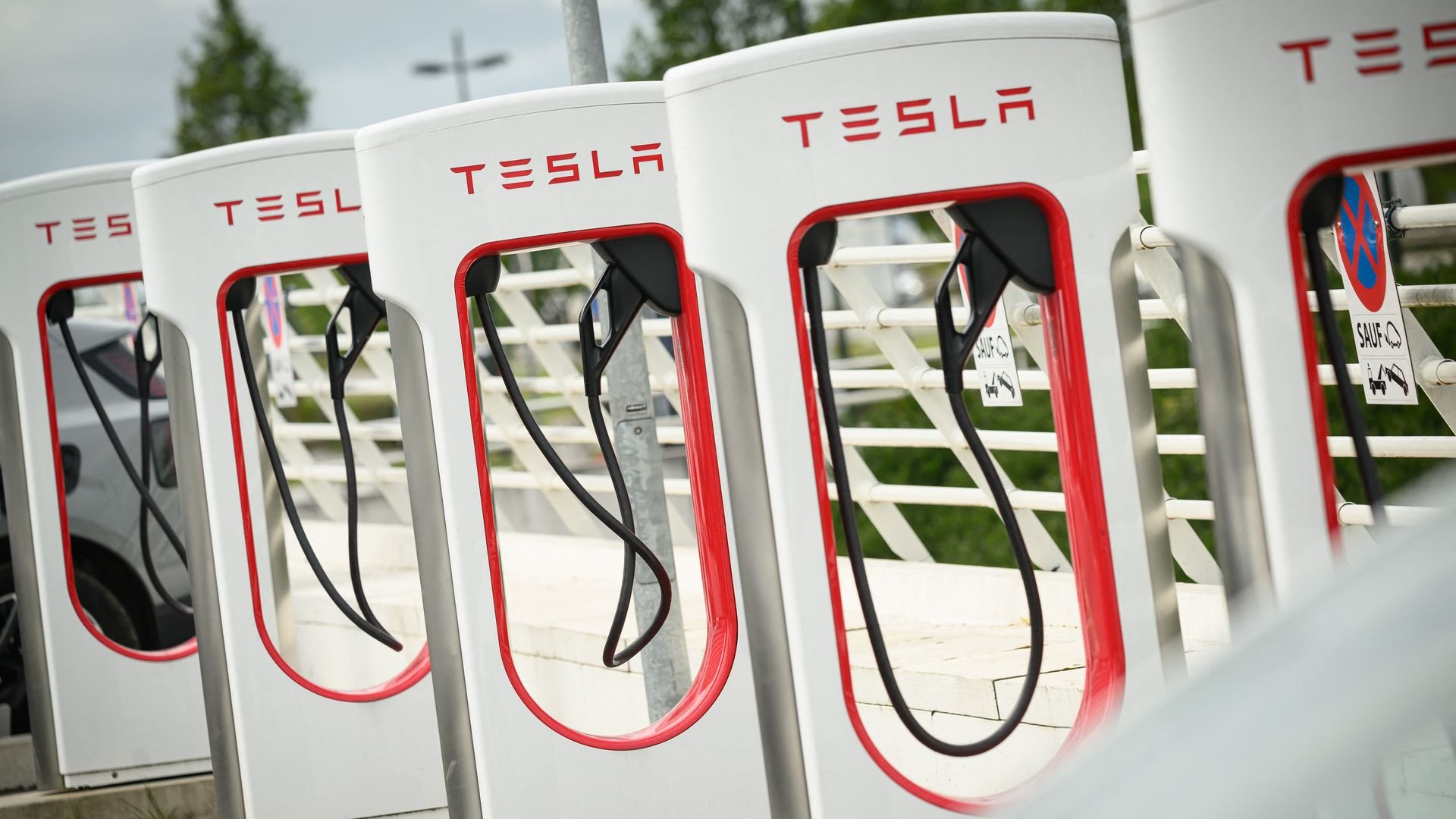 Tesla continues to expand its Supercharger network globally, with recent installations in France and other European markets supporting the company's vehicle sales and energy storage initiatives.
For now, Tesla finds itself at a critical juncture. The company maintains strong fundamentals in its core automotive business while simultaneously pursuing ambitious technological frontiers. The balance between short-term profitability and long-term innovation will likely define Tesla's trajectory in the coming years as Musk's vision for an AI-powered future continues to unfold.
The company's next earnings report will be closely watched for signs of progress in monetizing its AI investments and whether the strategic bets are beginning to yield tangible returns.
Comments
Please log in or register to join the discussion