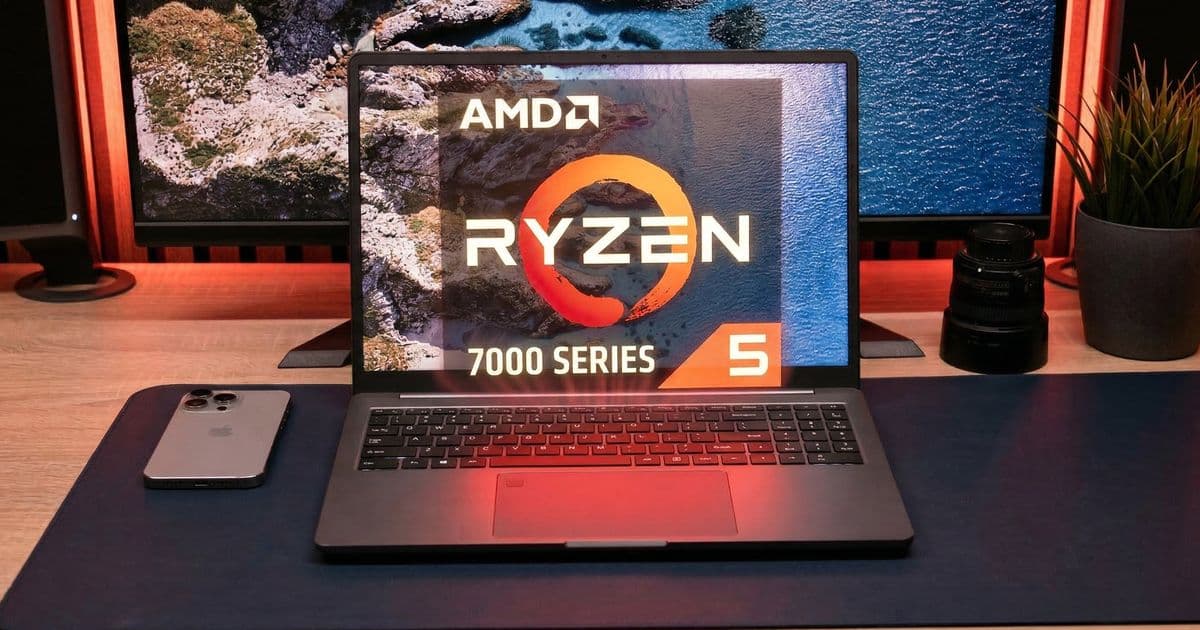
NotebookCheck's investigation reveals Chuwi laptops contain cheaper CPUs than advertised, with the same Emdoor Digital mainboard appearing in both affected and unaffected devices, raising questions about ODM accountability.
What began as a single case of suspected CPU fraud has now escalated into a full-blown scandal involving multiple laptop manufacturers and their original design manufacturer (ODM). After confirming that the Chuwi CoreBook X contains a Ryzen 5 5500U instead of the advertised Ryzen 5 7430U, NotebookCheck's investigation has uncovered a second affected device and raised serious questions about Emdoor Digital's role in the deception.
The Scope of the Deception
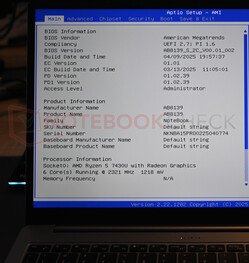
The investigation started when Chuwi CoreBook X owners reported performance discrepancies. CPU-Z analysis revealed the presence of a Ryzen 5 5500U - a CPU with a 15W TDP compared to the 7430U's 28W, resulting in significantly lower performance. The deception was comprehensive: BIOS information, Windows system details, device stickers, marketing materials, and specifications all claimed the presence of the more expensive 7430U processor.
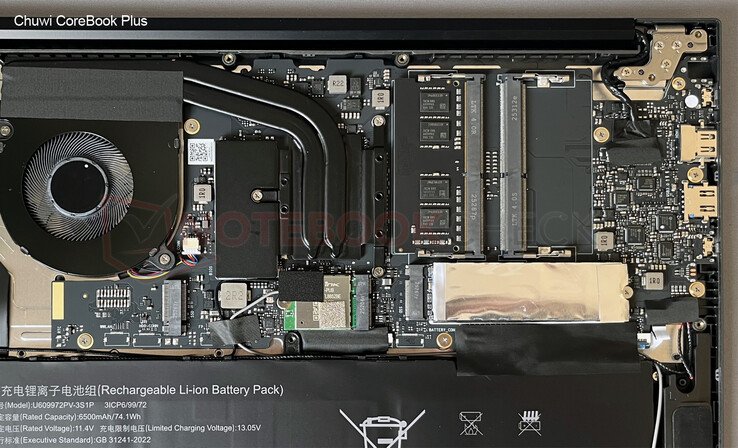
A spot check of the Chuwi CoreBook Plus confirmed identical fraud. This second device, purchased separately, also contained the Ryzen 5 5500U despite being advertised with the 7430U. The consistency across multiple devices from the same manufacturer suggested systematic deception rather than isolated incidents.
Ninkear Under Suspicion, Then Cleared
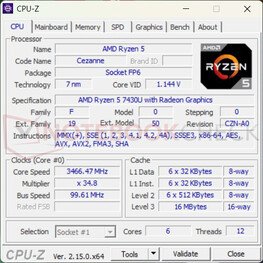
Reader reports to Golem pointed fingers at Ninkear's A15 Pro, claiming it too contained the wrong CPU. Users cited inconsistencies in CPU-Z data, including incorrect code names, boost clock rates, and L3 cache information. The definitive indicator - the OPN (Orderable Part Number) - would reveal the true CPU identity.
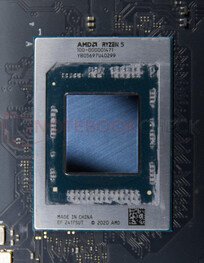
OPN 100-000000375 identifies a Ryzen 5 5500U, while 100-000001471 corresponds to the Ryzen 5 7430U. When NotebookCheck tested their Ninkear A15 Pro review unit from June 2025, benchmarks showed approximately 18% better performance than the affected Chuwi devices, consistent with genuine 7430U performance.
To eliminate any doubt, the team dismantled the cooling unit on their Ninkear test device. The exposed processor bore OPN 100-000001471, conclusively proving it was indeed a Ryzen 5 7430U. Both CPU-Z and BIOS information confirmed the correct CPU identity.
The ODM Connection
The investigation revealed a crucial detail: both the affected Chuwi CoreBook Plus and the unaffected Ninkear A15 Pro use identical mainboards. The silkscreen marking "EM_AB8139_S_2C_V1.1" identifies Emdoor Digital (Shenzhen Emdoor Information Technology) as the original design manufacturer for both devices.
This discovery raises troubling questions about when and where the CPU substitution occurred. The affected Chuwi CoreBook Plus was produced in March 2026, while the unaffected Ninkear A15 Pro dates from June 2025 - up to a year earlier. Since the CPU is permanently soldered to the mainboard, any substitution would have to occur during manufacturing.
Performance Comparison Data
NotebookCheck's benchmark testing provides concrete evidence of the performance differences:
| Test | Ninkear A15 Pro (7430U) | Chuwi CoreBook X (7430U claimed) | Chuwi CoreBook Plus (5500U) |
|---|---|---|---|
| CPU Performance Rating | 83.6 points | 70.7 points* | 73.2 points |
| Cinebench R23 Multi Core | Higher | Lower | Lower |
| Cinebench R23 Single Core | Higher | Lower | Lower |
| Geekbench 6.5 Multi-Core | Higher | Lower | Lower |
| Geekbench 6.5 Single-Core | Higher | Lower | Lower |
- The Chuwi CoreBook X result is particularly notable as it was tested as a "7430U" device but delivered 7430U-level performance despite later being found to contain a 5500U.
Implications for the Industry
The scandal exposes vulnerabilities in the laptop supply chain. Original Design Manufacturers like Emdoor Digital produce devices according to brand specifications, including BIOS modifications and component selection. The fact that identical mainboards from the same ODM contain different CPUs suggests either:
- Systematic substitution at the ODM level
- Quality control failures allowing unauthorized component changes
- Deliberate fraud coordinated between some brands and the ODM
For consumers, this means that even careful specification verification may not guarantee receiving the advertised components. The comprehensive nature of the deception - affecting system information at multiple levels - makes detection difficult without technical expertise.
What This Means for Buyers
This case underscores the importance of independent verification when purchasing laptops, especially from lesser-known brands or during promotional periods. Performance that seems "off" compared to advertised specifications could indicate hardware discrepancies.
Users who suspect their devices may contain different components than advertised should:
- Check CPU-Z for OPN numbers
- Compare benchmark performance with expected results
- Verify BIOS information matches specifications
- Consider professional inspection if discrepancies are found
The Path Forward
NotebookCheck continues to investigate and welcomes reports from affected users. The exposure of this fraud could have far-reaching consequences for the laptop industry, potentially leading to:
- Stricter quality control measures
- Enhanced verification requirements from retailers
- Greater scrutiny of ODM manufacturing practices
- Legal consequences for affected manufacturers
The scandal highlights the critical importance of transparency and accountability in the tech supply chain. As the investigation continues, one thing is clear: the deception was sophisticated, widespread, and designed to exploit consumer trust in brand specifications.
For now, Ninkear appears to have delivered what it promised, while Chuwi faces serious questions about systematic fraud. The role of Emdoor Digital as the common ODM in both cases suggests the investigation may only be beginning.
Comments
Please log in or register to join the discussion