The new React‑based Crossview dashboard brings real‑time resource watching, multi‑cluster support, and SSO to Crossplane users, sparking discussion about the shift from pure YAML workflows to richer visual tools.
A UI‑first turn for Crossplane users
When the crossplane‑contrib/crossview repository went public, it signaled a subtle but noticeable change in how the community approaches infrastructure‑as‑code on Kubernetes. For years, Crossplane has been celebrated for its declarative, YAML‑centric model, letting developers treat cloud resources as native Kubernetes objects. Yet the same simplicity that makes Crossplane attractive also leaves many operators yearning for a more immediate way to explore, debug, and manage those objects.
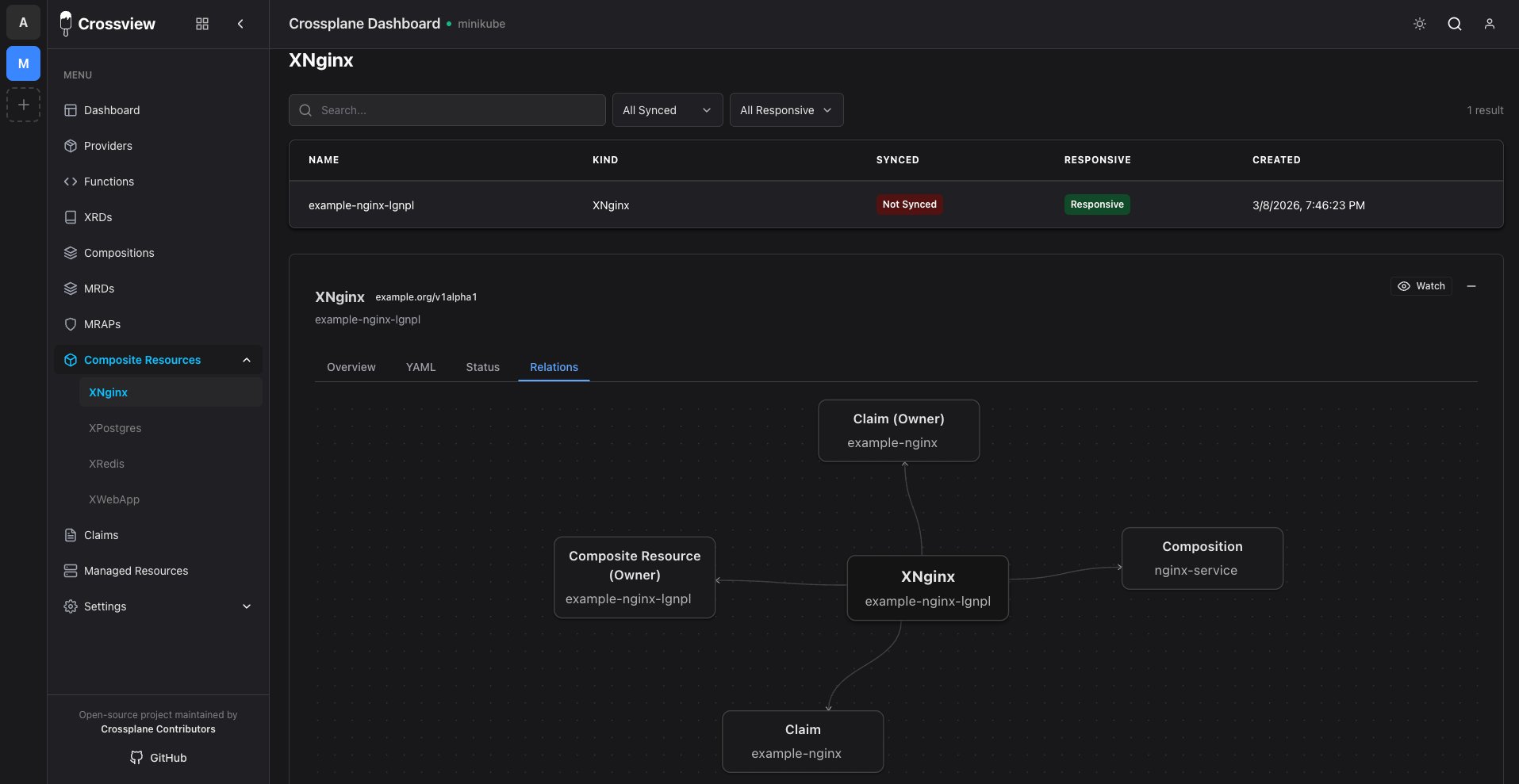
Crossview answers that need with a modern React front‑end, a Go‑backed API, and a PostgreSQL store for session data. The dashboard watches any Kubernetes resource in real time via Kubernetes Informers, pushes updates over WebSocket, and lets you flip between contexts with a single click. In practice, this means a developer can open the UI, select a Composition or a Claim, and instantly see status conditions, related events, and dependency graphs without digging through kubectl output.
Evidence of adoption and sentiment
- GitHub activity – Within the first month of release, the repo gathered over 1.2 k stars and 150 forks. The issue tracker shows a steady stream of feature requests, especially around custom visualizations for
XRDs and tighter integration with the Crossplane CLI. - Helm chart downloads – The Helm repository listed in the README has already recorded several thousand pulls, indicating that teams are willing to spin up a dedicated UI service alongside their control plane.
- Community chatter – On the official Crossplane Slack channel, the #crossview thread has become a hot spot for troubleshooting and sharing screenshots. Many users report that the dashboard shortens the feedback loop when debugging composition failures, cutting down on “kubectl‑edit‑apply‑repeat” cycles.
- Blog coverage – A handful of medium‑sized tech blogs have published walkthroughs, often highlighting the dark‑mode UI built with Chakra UI as a pleasant usability upgrade.
Counter‑perspectives and cautionary notes
While the excitement is palpable, a segment of the community remains skeptical. Their concerns can be grouped into three themes:
- Complexity vs. simplicity – Crossplane’s original appeal lay in its minimal runtime footprint. Adding a separate UI service, a PostgreSQL instance, and a Go server introduces new operational overhead. Some operators argue that the same visibility can be achieved with
kubectlplugins ork9s‑style terminal tools, which keep the stack lean. - Security surface – Exposing a web UI that talks directly to the Kubernetes API surface‑area expands the attack vector. Even though Crossview supports OIDC and SAML, organizations must still manage session secrets, database credentials, and network policies. The project's security policy is still nascent, and a few open issues flag potential privilege‑escalation paths.
- Vendor lock‑in concerns – The dashboard stores metadata in a PostgreSQL database rather than relying purely on the Kubernetes API server. Critics worry that this creates a secondary source of truth and could lead to drift if the DB is not kept in sync with the cluster state.
Where the conversation is heading
The emergence of Crossview aligns with a broader pattern: as cloud‑native platforms mature, users increasingly demand observable, interactive interfaces that complement declarative APIs. Projects like Lens and Octant have already proven the appetite for UI tools in the Kubernetes space, and Crossview is the first to focus squarely on Crossplane’s resource model.
If the project continues to address the security and operational concerns raised by early adopters—perhaps by offering a stateless mode that reads directly from the API server without a database—it could become the de‑facto companion UI for many Crossplane deployments. Conversely, if the community leans toward lighter‑weight terminal extensions, Crossview may remain a niche solution for teams that prioritize visual debugging over minimalism.
Bottom line
Crossview is more than a pretty front‑end; it is a litmus test for how far the Crossplane ecosystem is willing to go beyond pure YAML workflows. The project’s rapid uptake suggests a genuine need for real‑time visual management, yet the ongoing debate over added complexity and security will shape its long‑term role. Watching the next set of releases—and the community’s response—will reveal whether UI dashboards become a staple of Crossplane tooling or stay on the periphery.
Comments
Please log in or register to join the discussion