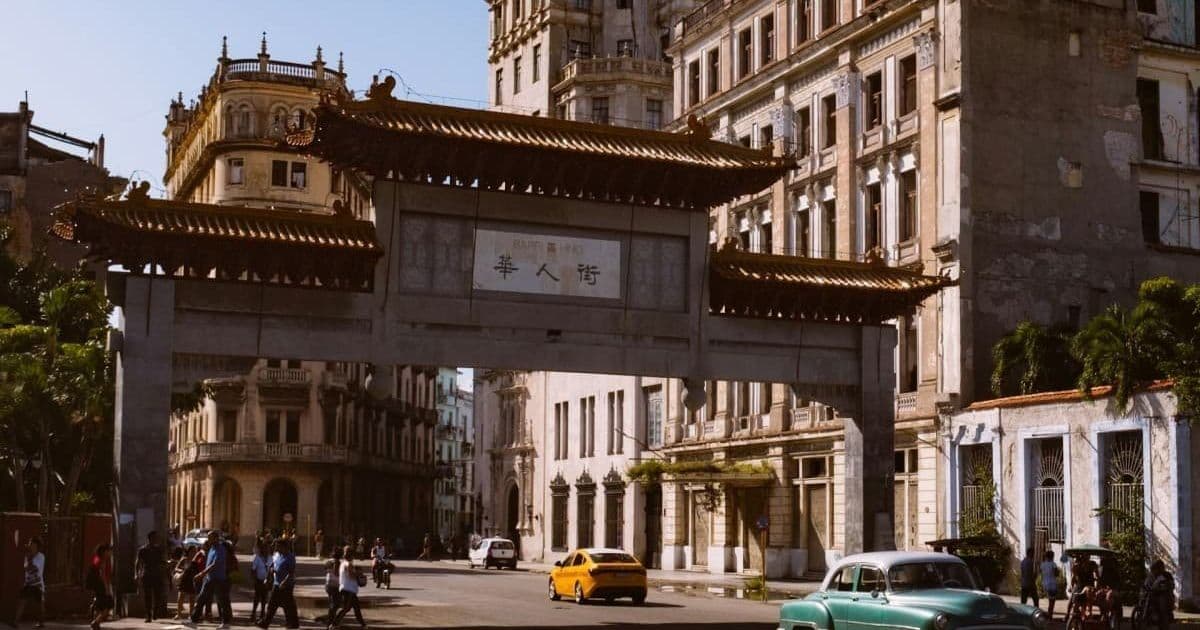
Cuba's recent blackout amid US oil blockade has strengthened its energy alliance with China, as Beijing ramps up solar equipment exports and renewable energy projects to help the island transition away from fossil fuel imports.
Cuba's fragile power grid collapsed under a weekslong US oil blockade, leaving the island nation in darkness for nearly 30 hours before power was restored on Tuesday. The blackout, which President Miguel Diaz-Canel blamed on American aggression, has instead deepened Cuba's energy alliance with China.
Cuba's energy system relies on approximately 100,000 barrels of oil daily to power aging thermal plants inherited from the former Soviet Union. The recent grid failure exposed the vulnerabilities of this obsolete infrastructure, which experts say will continue to face challenges as US pressure persists.
Rather than isolating Cuba, the US blockade appears to have accelerated Beijing's involvement in the island's energy transition. China has dramatically increased its support, with solar equipment exports jumping from $5 million in 2023 to $117 million in 2025 – a 2,240 percent increase according to British energy think tank Ember.
The partnership extends beyond equipment sales. China has pledged to help build nearly 100 solar parks by 2028, with over half already operational. The country is also backing construction of Cuba's largest wind farm, La Herradura 1. This renewable energy push comes as the Trump administration steps back from US climate commitments while reinvesting in fossil fuels.
However, significant challenges remain. Energy economist Ricardo Torres estimates Cuba's outlined energy transition requires $8 billion to $10 billion in investment over the next decade – funds the cash-strapped nation lacks. "Cuba simply does not have that kind of money, and China will not pay for everything," Torres noted.
Despite financial limitations, the alliance serves strategic interests for both nations. For China, Cuba provides a geopolitical foothold just 90 miles from US shores, where Beijing has reportedly installed spy stations. Chinese Embassy spokesman Liu Pengyu stated that energy cooperation has achieved "fruitful results" and will continue, while opposing "unwarranted interference by external forces."
The energy partnership represents more than just infrastructure development. It symbolizes how US pressure on Cuba has inadvertently pushed the island closer to China at a time when Beijing is using renewable energy expertise and financing as geopolitical leverage. As Cuba works to rebuild a more resilient grid powered by domestic renewable sources rather than imported fossil fuels, the US blockade may ultimately accelerate the very energy transition Washington has not prioritized domestically.
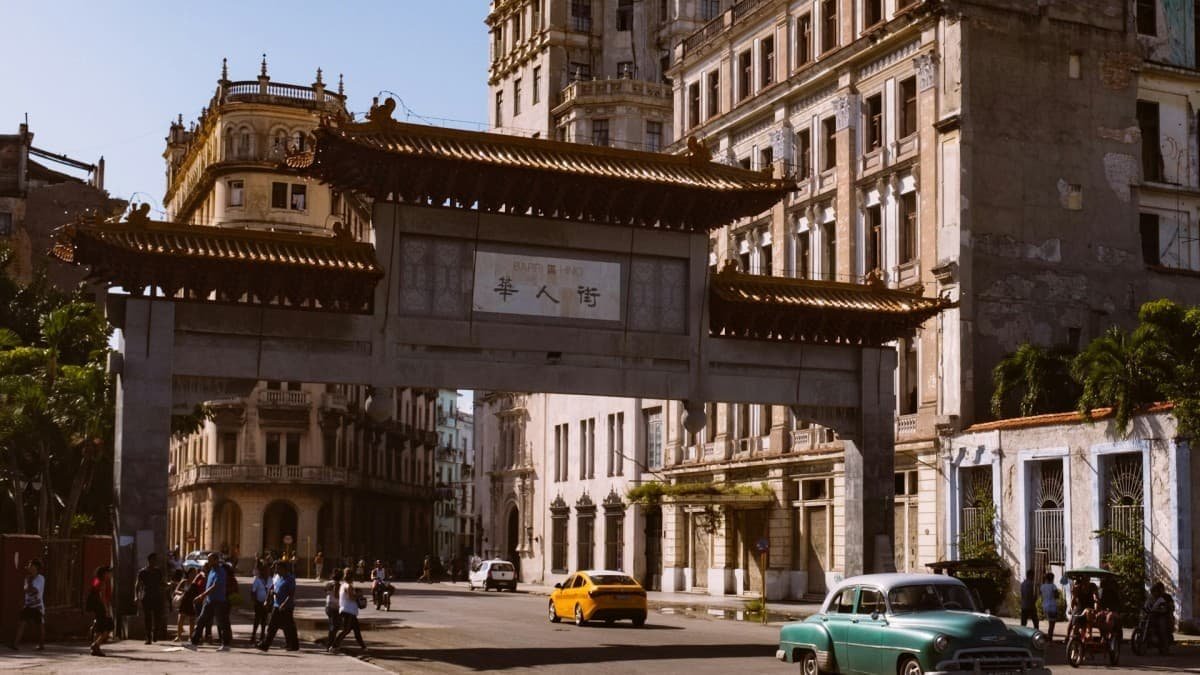
Cuba's experience highlights the complex interplay between energy security, geopolitics, and economic development. While the immediate crisis has passed, the underlying vulnerabilities exposed by the blackout suggest that without substantial investment in renewable infrastructure, Cuba will remain susceptible to external pressure through energy supply disruptions.
Comments
Please log in or register to join the discussion