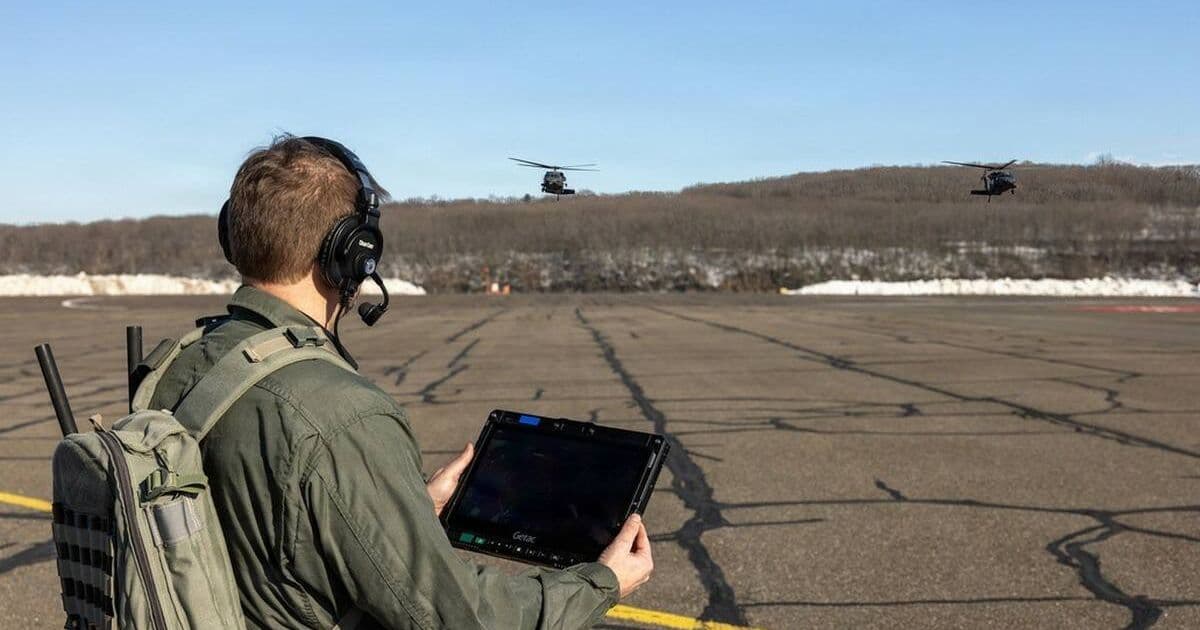
The US Army has received its first optionally piloted Black Hawk helicopter, marking a major milestone in military aviation autonomy after more than a decade of DARPA-led development.
The US Army has taken delivery of what may be the most advanced unmanned aircraft ever fielded by the military: a full-sized Black Hawk helicopter capable of flying itself. The optionally piloted vehicle (OPV) Black Hawk H-60Mx was formally transferred to the Army at Fort Eustis, Virginia, last week by DARPA after more than a decade of development under the Aircrew Labor In-Cockpit Automation System (ALIAS) program.
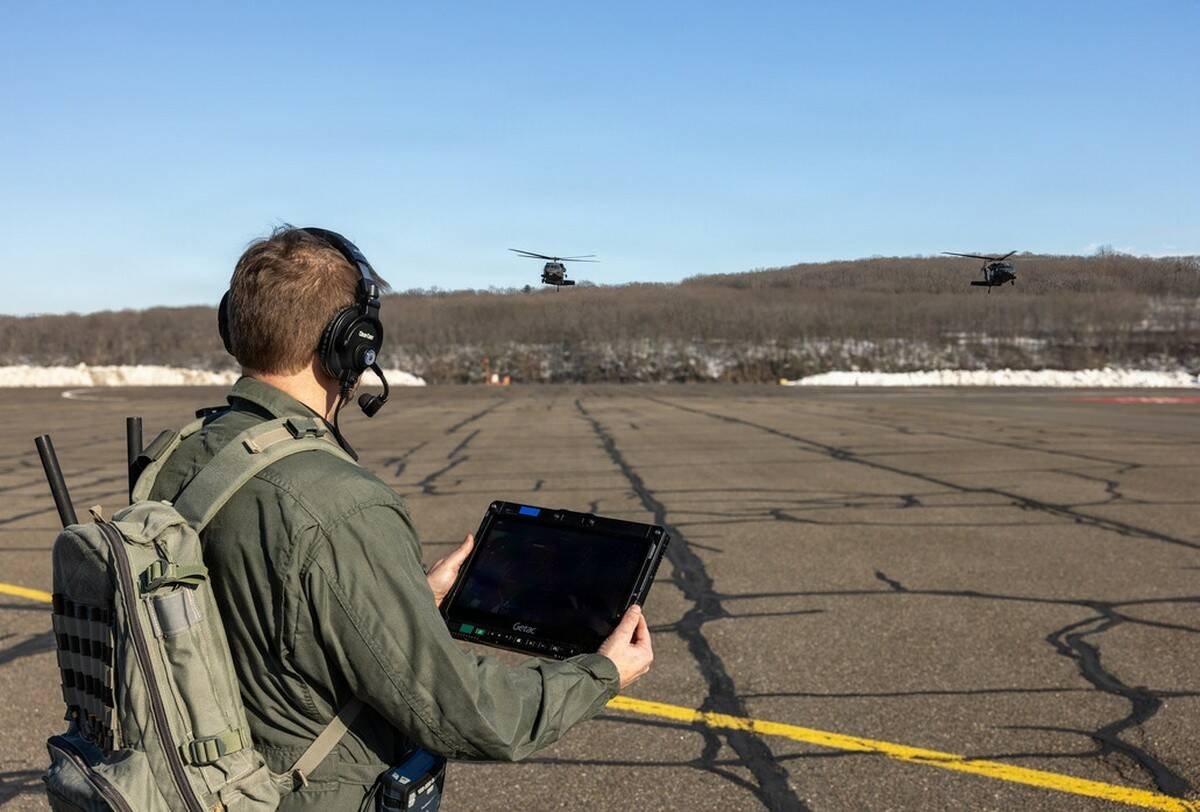
This transition represents a significant leap forward in military aviation technology. Unlike the expendable military drones that have become commonplace, this is a full-sized, multi-million dollar aircraft that can operate with or without human pilots onboard. The craft has been outfitted with what Sikorsky calls the MATRIX system, a flight control and autonomy platform that allows the helicopter to execute specific instructions for pre-planned autonomous missions or take commands from a ground-based team trained to fly the craft from a tablet.
"This transition is a testament to the power of government and industry partnership to advance technology," said Stuart Young, ALIAS program manager. "It will allow the Army to build on a solid foundation of technical-risk reduction, enabling them to explore new warfighting concepts and push the boundaries of what's possible in aviation."
The MATRIX system has undergone extensive testing. Most recently, in November at Michigan's Camp Grayling, the OPV Black Hawk flew a 70-nautical-mile cargo resupply mission that included precision parachute drops, equipment sling loading, and medical evac trials. While human pilots were on board for safety during these tests, the craft apparently completed all its mission objectives without need for their intervention.
DARPA noted that the system has been flown without any humans onboard multiple times going back to 2022, "proving the system could handle an entire mission from pre-flight checks to autonomous landing, including responding to simulated system failures."
Along with handing off the aircraft and its MATRIX kit, DARPA is also providing a MATRIX software development kit, which the Army said will allow it to modify the system for new sensor technologies and other third-party innovations. With "foundational research and development complete" on the ALIAS program, according to DARPA, and the OPV Black Hawk now in the hands of the Army, it'll fall to the branch to determine the future of MATRIX.
The Army appears enthusiastic about the technology's potential. "The delivery of this first OPV Black Hawk is more than just a hardware handover; it's a tangible step toward a future where technology and soldiers work together in new and powerful ways to ensure mission success," the Army said in a statement.
The next phase of trials will focus on integrating mission-specific sensors and equipment, DARPA said. The aircraft will also serve as the primary testbed for a US Army program seeking scalable autonomy kit that can be installed across its entire Black Hawk fleet and integrated into future aircraft designs.
This development marks a significant milestone in military aviation, potentially changing how the Army conducts operations in high-risk environments where sending human pilots might be too dangerous. The technology could enable autonomous resupply missions, casualty evacuation in contested areas, and other critical operations without putting flight crews at risk.
Comments
Please log in or register to join the discussion