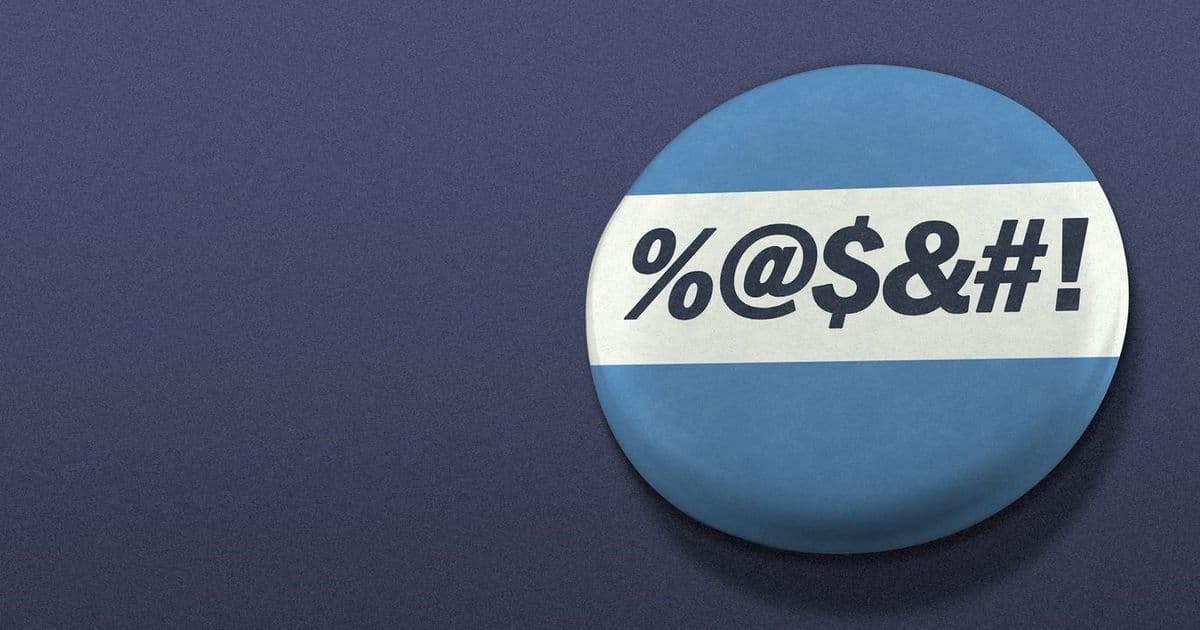
Profanity in political discourse has shifted from taboo to tactical communication, reflecting broader cultural changes and strategic efforts to appear authentic to voters.
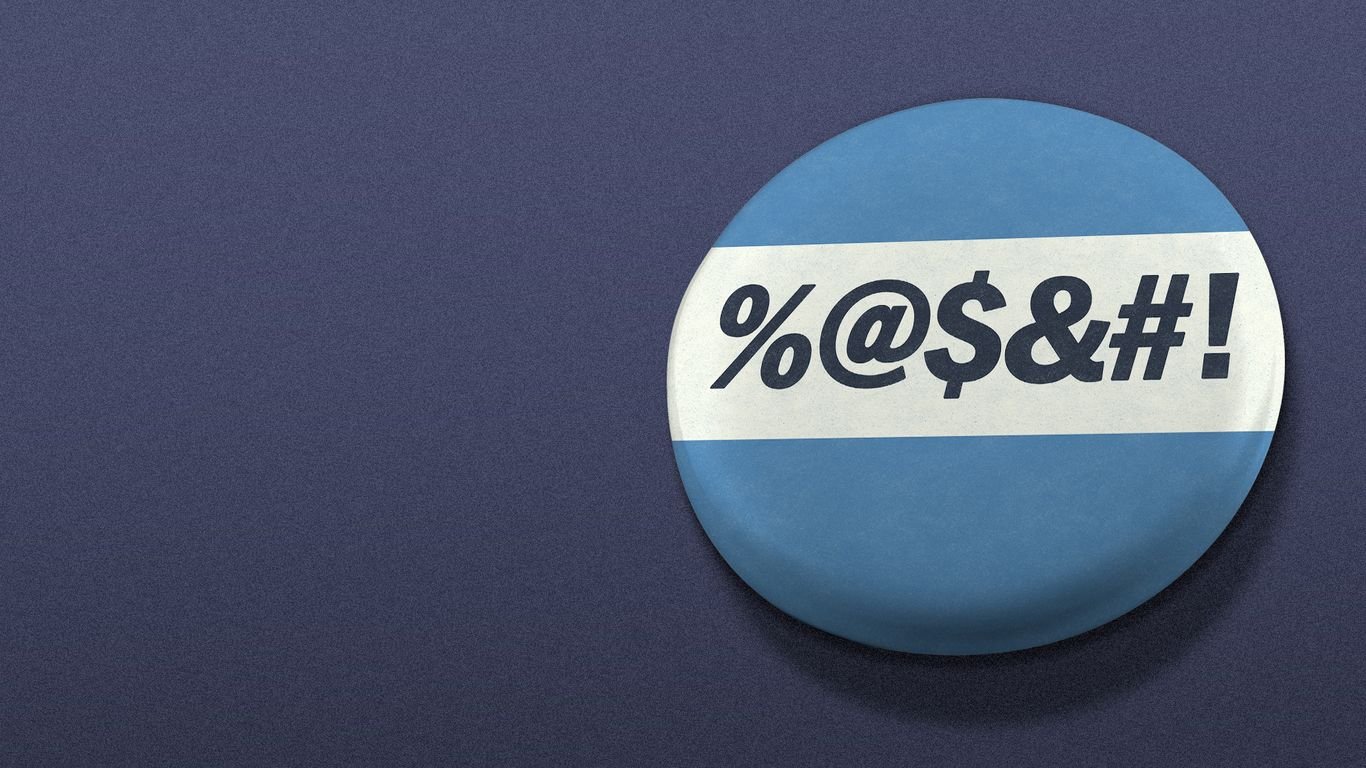
Once considered political suicide, profane language has become commonplace in American politics. Where past generations of leaders maintained formal decorum, today's politicians increasingly deploy expletives as strategic tools – a shift revealing deeper changes in political communication and public expectations.
From exception to expectation
Data from media monitoring groups shows a 300% increase in televised profanity from political figures since 2010. High-profile examples include:
- Presidential candidates using expletives during debates
- Senators directing vulgarities at opponents on chamber floors
- Mayors swearing during public press conferences This normalization extends beyond individual outbursts to calculated communication strategies.
Why the F-bomb?
Three primary drivers fuel this trend:
- Authenticity signaling: Voters increasingly equate blunt language with honesty. A 2023 Pew Research study found 61% of voters under 45 view politicians who swear as "more relatable"
- Media amplification: Controversial language guarantees coverage in fragmented media landscape
- Boundary testing: As cultural taboos weaken, politicians push rhetorical limits to demonstrate anti-establishment credentials
Strategic consequences
The tactical use of profanity carries measurable impacts:
- Fundraising: Campaigns using controlled profanity in messaging see 27% higher small-donation engagement (OpenSecrets analysis)
- Polarization: Coarse language triggers stronger negative reactions than policy disagreements per Stanford linguistics research
- Civility erosion: Congressional historians note decreased bipartisan cooperation correlates with increased hostile rhetoric
While some strategists argue profanity "democratizes" discourse by mirroring everyday speech, communication scholars warn of desensitization effects. As Georgetown linguist Dr. Naomi Baron observes: "When shock becomes routine, politicians must escalate further to gain attention, accelerating a destructive cycle."
This linguistic shift shows no signs of reversing, reflecting politics as cultural mirror rather than behavioral standard-bearer. The lasting impact may be less about individual words than what their acceptance signifies: fundamental changes in how we define legitimate political expression.
Comments
Please log in or register to join the discussion