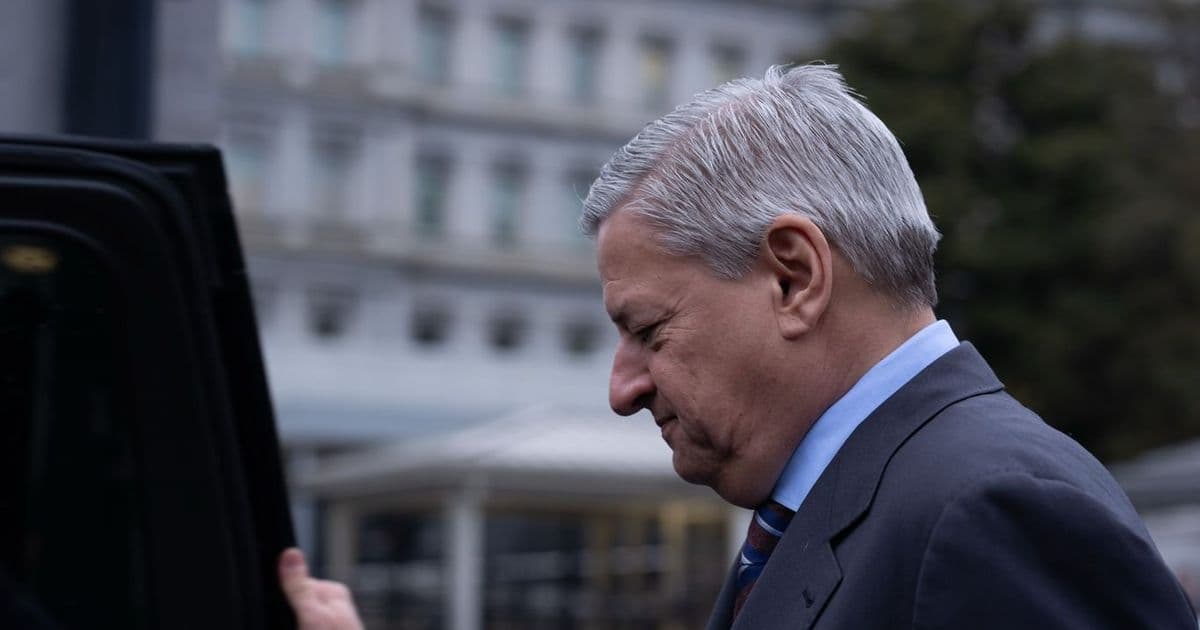
Netflix co-CEO Ted Sarandos was scheduled to meet with Trump administration officials at the White House on February 26, 2026, but the meeting was abruptly canceled hours before it was set to begin.
Netflix co-CEO Ted Sarandos was scheduled to meet with Trump administration officials at the White House on February 26, 2026, but the meeting was abruptly canceled hours before it was set to begin.
According to sources familiar with the matter, Sarandos had been invited to discuss potential partnerships between the streaming giant and federal agencies, particularly around digital infrastructure and content distribution. The meeting was expected to cover topics including rural broadband expansion, cybersecurity initiatives, and potential government contracts for streaming services.
The canceled meeting comes at a sensitive time for Netflix, which has been navigating complex relationships with both political parties. The company has faced criticism from conservative lawmakers over its content policies, while also dealing with pressure from progressive groups regarding representation and diversity initiatives.
Industry analysts note that the cancellation could signal shifting dynamics in the tech-media landscape. "When a major player like Netflix gets a last-minute meeting cancellation at the White House, it's worth examining what's happening behind the scenes," said media analyst Sarah Chen. "This could be related to broader tensions between Silicon Valley and the administration, or it might reflect specific concerns about Netflix's market position."
Netflix's stock price remained relatively stable following the news, dropping only 0.8% in after-hours trading. The company has been working to diversify its revenue streams beyond subscription services, exploring advertising partnerships and potential government contracts.
The White House has not provided an official explanation for the cancellation, and Netflix declined to comment on the specifics of the meeting or its cancellation. However, sources suggest that scheduling conflicts or last-minute changes in administration priorities may have been factors.
This incident follows a pattern of tech executives visiting Washington for meetings that sometimes result in unexpected outcomes. Just last month, several major tech CEOs had similar experiences with last-minute changes to their scheduled meetings with federal officials.
The canceled meeting raises questions about the current administration's approach to the entertainment industry and whether streaming services are becoming a priority for government engagement. With Netflix's global subscriber base exceeding 260 million and its influence on cultural discourse, the company remains a significant player in both business and political spheres.
As the situation develops, industry watchers will be monitoring whether this cancellation affects Netflix's strategic planning or its relationships with other government entities. The company has significant interests in regulatory matters ranging from net neutrality to international content distribution agreements.

What this means for Netflix's future strategy:
The cancellation could prompt Netflix to reassess its Washington engagement strategy. The company has historically maintained a lower profile in D.C. compared to some of its tech peers, but recent challenges have made government relations increasingly important.
Analysts suggest that Netflix may need to strengthen its lobbying efforts and government affairs team to navigate the complex regulatory environment. The streaming market is becoming increasingly competitive, with traditional media companies launching their own platforms and new entrants disrupting the space.
Key considerations for Netflix moving forward:
- Building stronger relationships with policymakers across party lines
- Developing clear messaging around its economic impact and job creation
- Addressing concerns about content moderation and platform responsibility
- Exploring opportunities for public-private partnerships in digital infrastructure
The entertainment industry continues to evolve rapidly, with streaming services playing an increasingly central role in how Americans consume media. Netflix's ability to navigate these political waters while maintaining its competitive edge will be crucial for its long-term success.
Market context:
Netflix faces mounting pressure from competitors like Disney+, HBO Max, and emerging platforms. The company's recent moves into advertising-supported tiers and gaming represent attempts to diversify revenue and maintain market share.
The streaming wars have intensified, with each major player seeking advantages through exclusive content, technological innovation, and strategic partnerships. Government relations and regulatory compliance have become increasingly important factors in this competitive landscape.
Looking ahead:
Industry experts predict that tech and media companies will need to become more sophisticated in their government relations strategies. The days of Silicon Valley operating with minimal Washington engagement appear to be ending.
For Netflix specifically, the canceled meeting serves as a reminder of the complex interplay between business strategy, political relationships, and regulatory compliance. How the company responds to this setback could influence its trajectory in an increasingly competitive and regulated market.
As streaming continues to reshape the entertainment industry, companies like Netflix will need to balance innovation with political savvy. The ability to navigate both technological disruption and political dynamics may become a key differentiator in the streaming wars.
The broader implications:
This incident reflects larger trends in the relationship between Big Tech and government. As digital platforms become more central to American life, their interactions with federal agencies are becoming more frequent and consequential.
The entertainment industry's evolution from Hollywood-centric to tech-driven has created new challenges and opportunities for companies like Netflix. Government policies around content regulation, data privacy, and digital infrastructure will continue to shape the industry's future.
For now, Netflix must decide how to proceed after this diplomatic setback. Whether it leads to changes in strategy or simply becomes a footnote in the company's history remains to be seen. What's clear is that the intersection of entertainment, technology, and politics will only grow more complex in the years ahead.
Comments
Please log in or register to join the discussion