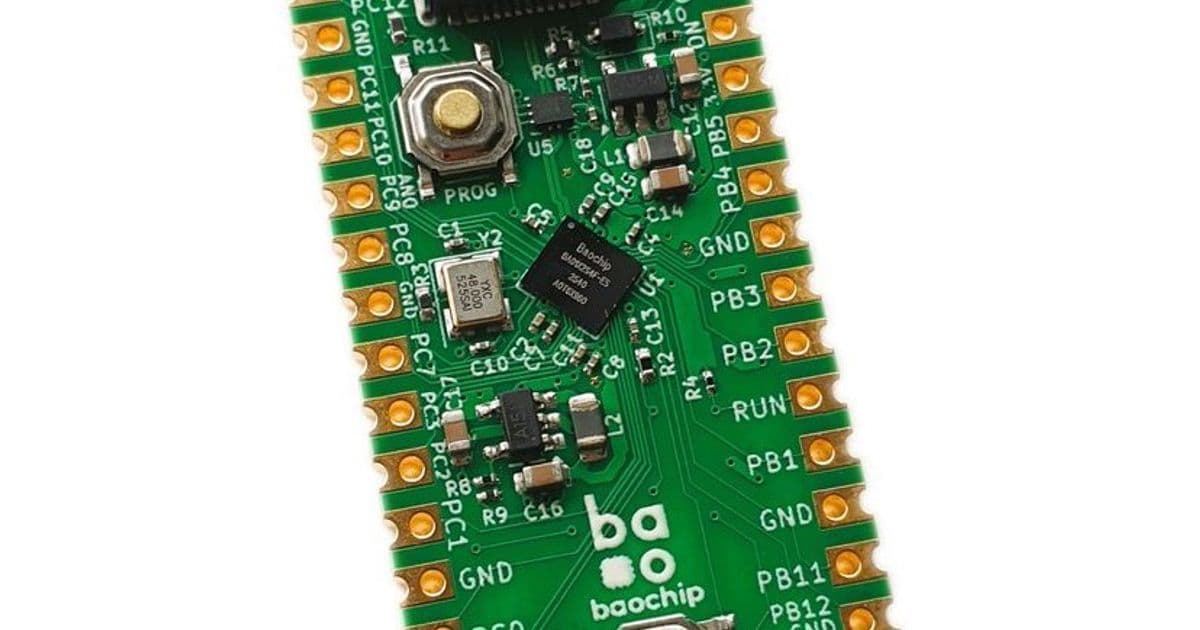
Bunnie Huang's new crowdfunding campaign offers a tiny, affordable dev board with the Baochip-1x, a mostly-open RISC-V microcontroller designed for security and user inspection.
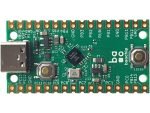
Hardware hacker bunnie Huang has launched a crowdfunding campaign for the Dabao Evaluation Board, a tiny single-board computer featuring a custom RISC-V chip called the Baochip-1x. Priced at just $9.50, the board is designed to make security-focused hardware more accessible to developers and hobbyists.
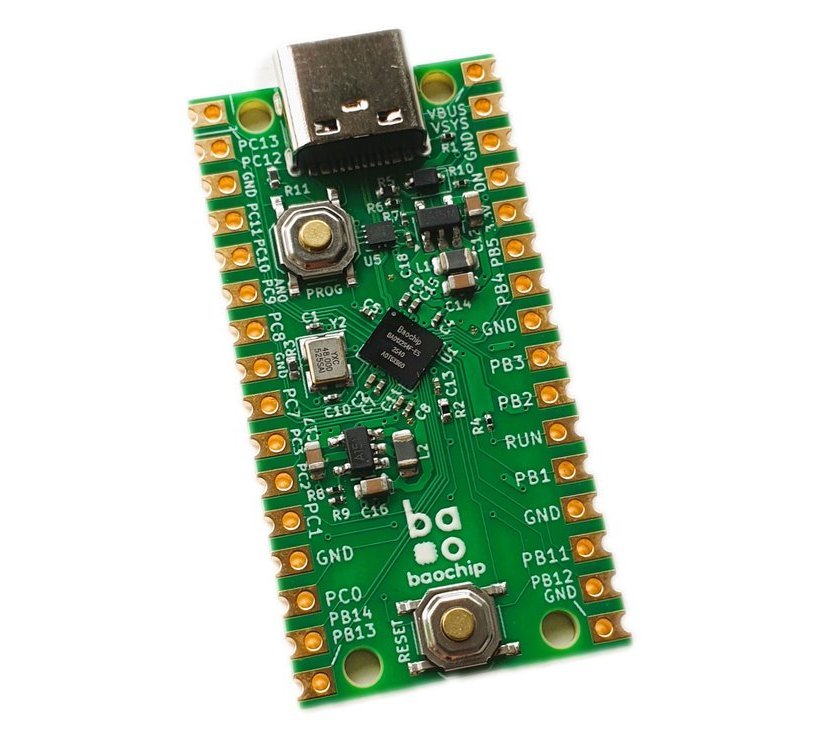
The Dabao board measures just a few inches and features a USB 2.0 Type-C port, a 20-pin GPIO header, and the star of the show: the Baochip-1x microcontroller. This chip is the latest addition to Huang's Betrusted initiative, which aims to create security-focused hardware that puts control directly into users' hands.
What Makes the Baochip-1x Different
Unlike traditional security chips where you must trust the manufacturer's claims, the Baochip-1x is designed to be as open and inspectable as possible. While you can't build the CPU yourself like you can with an FPGA, the chip is manufactured using a process that allows you to inspect its components using a microscope camera and LED illuminator. This means you can verify that the chip you receive matches the design specifications.
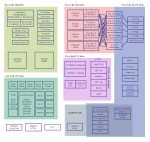
Huang explains that "everything that can 'compute' on data is available for simulation and inspection" and the source code is already available on GitHub. However, certain components remain closed-source, including the USB PHY, AXI bus, and voltage regulators.
Technical Specifications
The Baochip-1x packs impressive capabilities for its size and price:
- 1 x MHz Vexriscv CPU core @ 350 MHz+ with MMU (Memory Management Unit)
- 4 x PicoRV32 I/O processor cores @ 700 MHz
- 4MiB RRAM non-volatile memory
- 2 MiB SRAM
For security, the chip includes signed boot, a key store, ECC protected RAM, and hardware-accelerated cryptography. It runs an updated version of the Xous operating system originally designed for the Precursor handheld.
Innovative Manufacturing Approach
One of the most interesting aspects of this project is how Huang kept production costs low. The chip is manufactured using TSMC's 22nm process, but instead of creating a standalone chip, Huang "hitchhiked" the design by adding the Baochip-1x into free space on another system-on-a-chip (SoC). The result is two chips for the price of one—you simply turn off the unused CPU to make it one chip or the other.
This approach not only reduces costs but also makes it possible to produce millions of these chips if demand ever reaches that level.
How It Compares to the Precursor
Huang's previous security-focused device, the Precursor handheld, sells for $600 and features an FPGA that users can fully inspect and modify. The Dabao board takes a different approach—while less open than the Precursor, it's dramatically more affordable at less than $10. This makes security-focused hardware accessible to a much wider audience.
Crowdfunding Success
The campaign has already been fully funded thanks to contributions from more than 500 backers. Huang plans to start shipping boards to backers by June 2026. Given the niche nature of security-focused open hardware, this level of interest suggests there's significant demand for affordable, inspectable hardware.
For developers interested in security, embedded systems, or just curious about open hardware, the Dabao board offers an intriguing combination of affordability, capability, and transparency that's rare in the microcontroller world.
Comments
Please log in or register to join the discussion