A Pennsylvania high school student used Movely, a deepfake app, to create non-consensual sexual images of female classmates, exposing significant failures in the school's response despite existing policies and legal protections against deepfake harassment.
In early December 2026, a freshman at Radnor High School in Pennsylvania allegedly spent $250 on a subscription to Movely, an app available on Apple's App Store, to create non-consensual sexual images of five female classmates. The student used the app to superimpose his classmates' faces onto nude bodies, creating explicit content that was then shared among students.
The incident came to light when the boy exchanged messages with friends on a school-issued device, discussing the app and his actions. "I dropped 250 on that hoe," he wrote. "Worth every penny." When questioned by friends, he admitted only to spending money, not revealing the actual nature of his activities.
Radnor High School, ranked among the top high schools in Pennsylvania with approximately 1,000 students, had existing policies concerning bullying, harassment, and sexual violence. Additionally, Pennsylvania had criminalized malicious deepfakes in 2024, and in 2025, a man faced over 30 felony counts for possessing AI-generated child sexual abuse material.
Despite these legal frameworks and school policies, the administration's response to the incident fell short according to multiple sources. Parents reported failures in the school's handling of the situation, as evidenced by email exchanges between parents and mandated reporters. Conflicting narratives emerged between the school administration and local police, and the incident eventually attracted attention from Pennsylvania Governor Josh Shapiro.
The boys involved reportedly defended the perpetrator, with some claiming they didn't see anything despite evidence to the contrary. "The boys are defending him, and they're now saying that they didn't see anything, but they did," one of the affected girls texted her mother. "It's not okay."
This incident highlights a growing challenge for educational institutions as deepfake technology becomes increasingly accessible. While legal frameworks exist to address such abuses, implementation and enforcement in school settings remain inconsistent. The Movely app, like other deepfake generators, demonstrates how easily AI technology can be weaponized for harassment, particularly against vulnerable populations like high school students.
The case also raises questions about the responsibility of app stores in preventing the misuse of such technologies. While Apple's App Store provides Movely, the platform's content moderation appears insufficient to prevent its use for non-consensual sexual imagery.
For students affected by deepfake harassment, the psychological impact can be severe, combining elements of sexual harassment, public humiliation, and technological violation. The incident at Radnor underscores the need for comprehensive approaches that combine legal measures, educational interventions, and robust support systems for victims.
As deepfake technology continues to evolve, schools will need to develop more proactive strategies to prevent such incidents and respond effectively when they occur. This includes updating policies, training staff, and creating clear protocols for addressing AI-facilitated harassment.
For those with experience dealing with deepfake harassment in schools, the article's author invites contact via Signal or email to share insights and experiences.
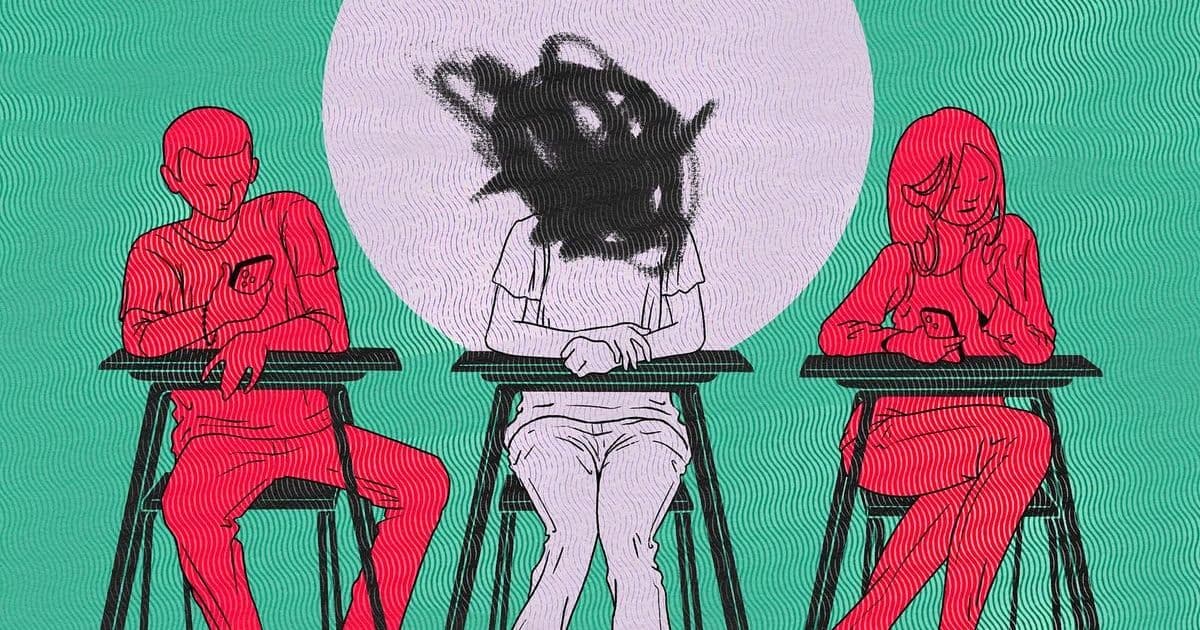
[Image: Featured image showing deepfake harassment concept]
Read more about deepfake technology and its implications:
Comments
Please log in or register to join the discussion