
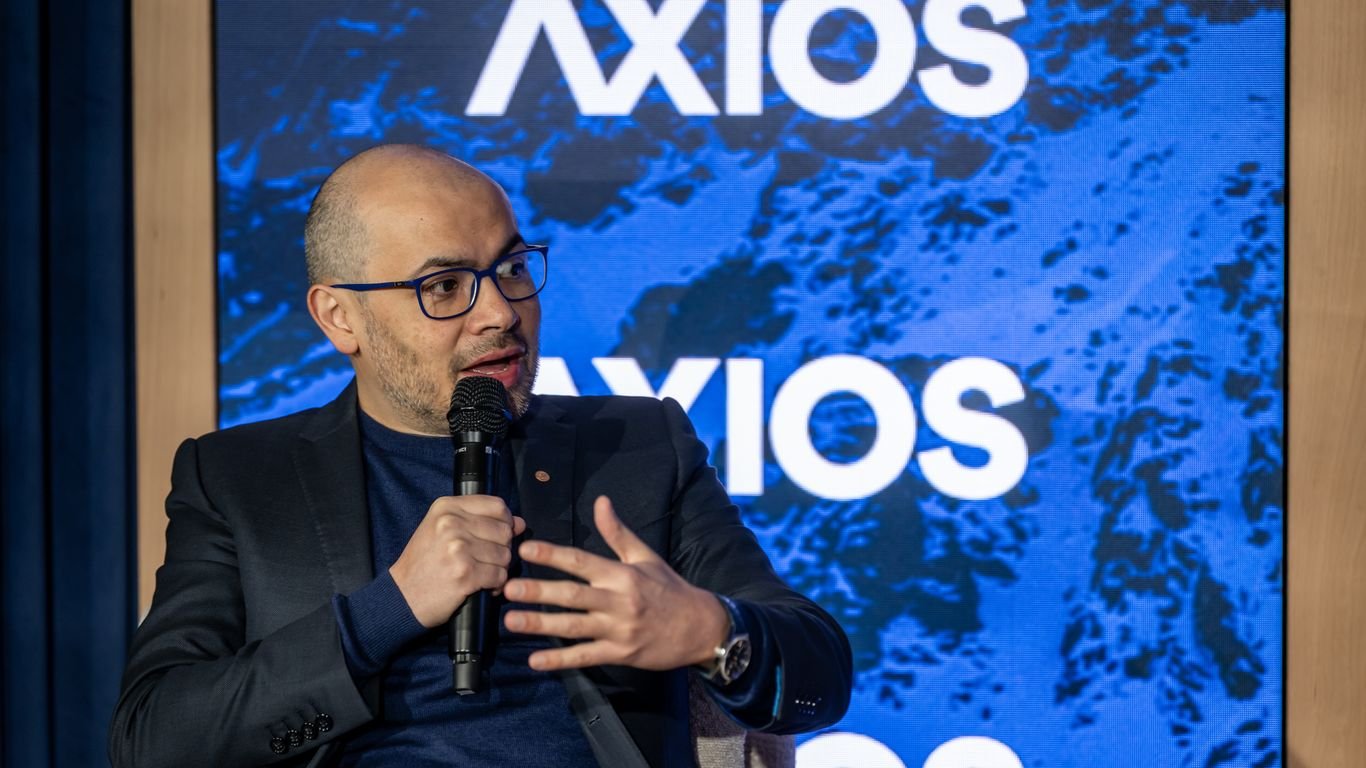
In an exclusive interview, DeepMind CEO Demis Hassabis stated he was 'surprised' by how quickly OpenAI moved to integrate advertising into its products, highlighting a fundamental divergence in business strategy between two leading AI research labs.
In a candid assessment of the AI industry's evolving business models, DeepMind CEO Demis Hassabis expressed surprise at OpenAI's rapid pivot toward advertising revenue. Speaking in an exclusive interview, the co-founder of the Google-owned AI lab suggested the move represents a significant strategic departure from the research-first ethos that has long characterized the field.
The comments come as OpenAI explores new monetization avenues for its widely-used ChatGPT platform. Industry reports indicate the company has been testing ad integrations, a move that would fundamentally alter its revenue structure from a subscription-based model to one that leverages user attention and data. For context, OpenAI's current primary revenue stream comes from ChatGPT Plus subscriptions at $20 per month and enterprise licensing deals, which generated an estimated $1.6 billion in revenue in 2024 according to industry analysts.
Hassabis's surprise reflects a deeper philosophical divide. DeepMind, which operates under Alphabet's corporate umbrella, has maintained a research-centric approach, focusing on scientific breakthroughs rather than direct consumer product monetization. The lab's work on systems like AlphaFold and AlphaGo has been published openly, with applications primarily serving academic and enterprise partners rather than individual consumers. This stands in contrast to OpenAI's more product-driven strategy, which has seen the company rapidly commercialize its research into consumer-facing applications.
The timing of OpenAI's advertising exploration is notable. The company faces mounting pressure to achieve profitability, with reports suggesting it could lose up to $5 billion this year due to high operational costs. Training and running large language models requires substantial computational resources—GPT-4 reportedly cost over $100 million to develop, with inference costs adding millions more monthly. Advertising represents a potential path to scale revenue without proportional increases in user fees.
However, the approach raises significant questions about AI alignment and user trust. Advertising models inherently create incentives to maximize user engagement and data collection, which could conflict with the development of safe, unbiased AI systems. Industry experts note that ad-driven platforms often prioritize content that generates clicks over factual accuracy, a concern that becomes particularly acute when the platform itself generates information.
The divergence between DeepMind and OpenAI's strategies may signal a broader industry split. On one side, research labs like DeepMind and Anthropic maintain a more cautious, safety-focused approach with limited commercialization. On the other, companies like OpenAI and Microsoft are aggressively pursuing market penetration and revenue growth. This tension between scientific research and commercial application continues to define the AI landscape.
For users, the shift could mean fundamental changes in how they interact with AI systems. An ad-supported ChatGPT might prioritize certain responses or subtly influence recommendations to serve commercial interests. While OpenAI has stated any advertising would be "thoughtfully implemented," the exact mechanics remain unclear. The company has not publicly detailed how it would maintain its commitment to "beneficial AGI" while operating an ad-supported model.
The debate extends beyond business strategy to core questions about AI development. DeepMind's approach suggests that research progress should precede commercialization, with safety and capability improvements as primary goals. OpenAI's model implies that widespread adoption and sustainable funding are necessary to advance the technology. Both perspectives have merit, but they lead to different product decisions and user experiences.
As the AI industry matures, these strategic differences will likely become more pronounced. The choice between research purity and commercial viability represents one of the central tensions in modern technology development. For now, Hassabis's surprise serves as a reminder that even within the AI community, there is no consensus on the optimal path forward.
The implications extend to the broader tech ecosystem. Google's DeepMind operates with the financial backing of Alphabet, which generates substantial revenue from its search and advertising business. This allows DeepMind to pursue long-term research without immediate pressure for profitability. OpenAI, while backed by Microsoft, operates with more independence and faces direct pressure to demonstrate financial viability. This structural difference may explain their divergent approaches to commercialization.
Looking ahead, the industry will be watching how OpenAI balances its stated mission of ensuring artificial general intelligence benefits all of humanity with the practical demands of an advertising-based business model. The outcome of this experiment could set important precedents for how AI companies approach monetization, potentially influencing the entire field's trajectory.
For researchers and developers in the AI space, this divergence offers a clear choice: pursue a research-first model with limited commercialization, or embrace a product-driven approach that prioritizes market penetration and revenue. Both paths have demonstrated success, but they represent fundamentally different visions for the future of artificial intelligence.
Comments
Please log in or register to join the discussion