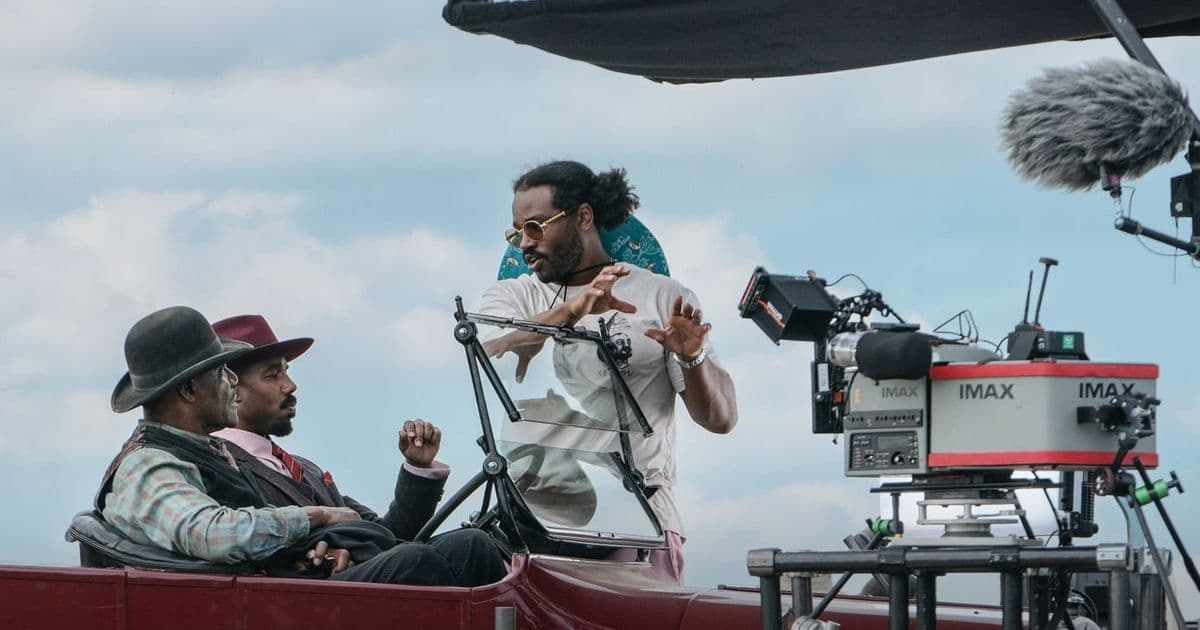
Ryan Coogler's unprecedented deal for 'Sinners' gives him ownership stakes across multiple platforms, potentially reshaping how creative talent negotiates with studios.
Ryan Coogler's latest film, "Sinners," isn't just another vampire thriller set in 1930s Mississippi. The project represents a potential seismic shift in Hollywood's power dynamics, with the director securing an ownership stake that could redefine how creative talent negotiates with studios.
Coogler's deal with Warner Bros. Pictures includes profit participation across theatrical releases, streaming rights, and even potential television spin-offs. While exact financial terms remain confidential, industry sources suggest the arrangement gives the director a percentage of revenue from multiple distribution channels rather than just a standard directing fee plus bonuses.
This ownership model contrasts sharply with traditional Hollywood contracts where directors typically receive upfront payments and may earn bonuses if a film exceeds certain box office thresholds. Coogler's arrangement instead positions him as a stakeholder in the film's long-term financial success.
The implications extend beyond one filmmaker. If "Sinners" performs well commercially, other high-profile directors and actors may push for similar arrangements, potentially shifting more power from studios to creative talent. This could lead to more mid-budget films getting greenlit, as talent might be willing to accept lower upfront fees in exchange for ownership stakes.
Streaming services have already disrupted traditional release windows, and Coogler's deal suggests another layer of evolution in how Hollywood values and compensates creative work. The model could encourage more innovative storytelling, as filmmakers with ownership stakes might take greater creative risks, knowing they share in both the potential rewards and risks.
For Warner Bros., the arrangement represents a calculated gamble. While giving up a portion of potential profits, the studio gains a director deeply invested in the project's success across all platforms. This alignment of interests could result in more effective marketing and a longer production timeline if Coogler chooses to be involved in sequels or related content.
The deal comes at a time when Hollywood is grappling with changing consumer habits and the ongoing impact of streaming on traditional theatrical releases. Coogler's ownership stake model might offer a template for how the industry can adapt to these shifts while maintaining profitability for both studios and creative talent.
If successful, this approach could accelerate the trend of creators becoming entrepreneurs, with filmmakers building their own production companies and intellectual property portfolios rather than simply working for hire. The question remains whether this model can scale beyond A-list directors to benefit a broader range of creative professionals in the industry.
Comments
Please log in or register to join the discussion