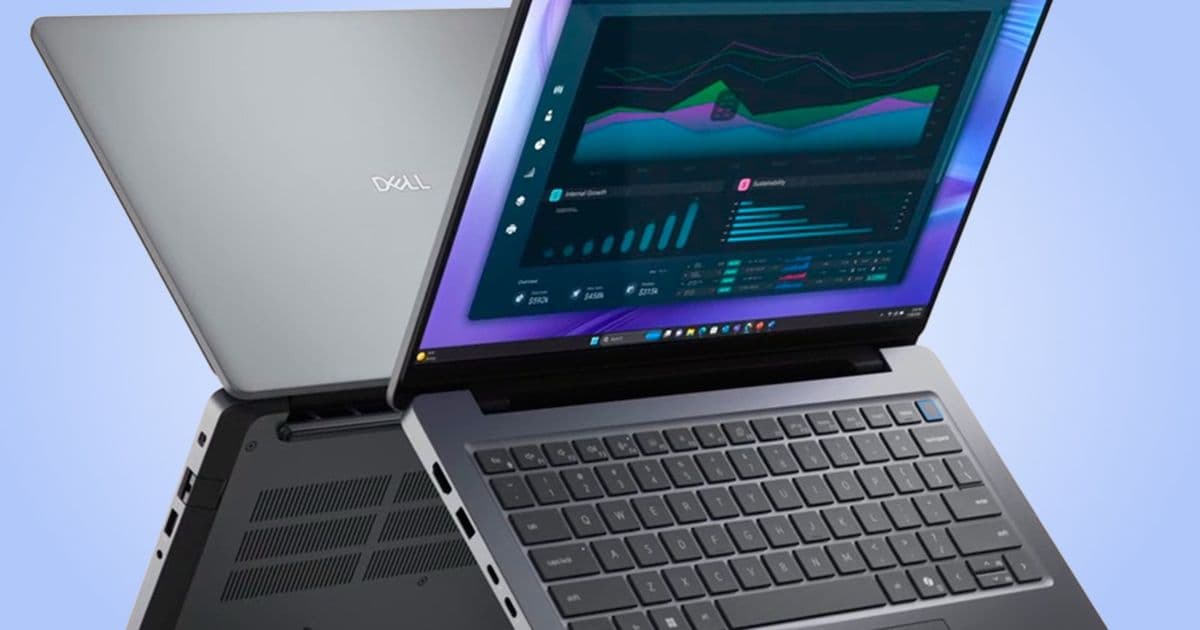
Dell finally opens sales of the Pro Precision 5 Series 14 outside its pilot markets. The notebook starts at $2,577, offers Intel’s 13th‑gen Panther Lake Core Ultra CPUs, up to 64 GB of 8,533 MT/s LPC‑AMM2 memory and optional Ubuntu 24.04 LTS. It sits between the entry‑level 14S and the premium Pro Precision 7 Series 14, trading OLED brilliance for a more modest IPS panel and a bulkier chassis.
What’s new
Dell has lifted the regional lock on its Pro Precision 5 Series 14 laptop, making the machine available in the United States, United Kingdom, Germany and the rest of the Eurozone. The base configuration now ships for $2,577 / £2,578 / €2,927, a price point that undercuts the Pro Precision 7 Series 14 by roughly $800‑$1,000 while still targeting professional creators and engineers.
Key upgrades that differentiate the global launch from the earlier limited‑run models are:
- Intel Panther Lake Core Ultra CPUs – the default SKU uses the Core Ultra 7 366H vPro (8 cores, 16 threads, 2.6 GHz base, 5.0 GHz boost). Dell also lists the Core Ultra 5 336H vPro and the top‑end Core Ultra 9 386H vPro as future options.
- Memory – up to 64 GB of LPC‑AMM2 DDR5‑5600 (rated at 8,533 MT/s) on a single‑channel configuration. This is the highest‑density DDR5 module currently offered on a 14‑inch workstation and pushes bandwidth well beyond the 6,400 MT/s limit of most competing laptops.
- Operating system choice – buyers can select Ubuntu Linux 24.04 LTS alongside the standard Windows 11 Pro image. Dell ships the Ubuntu build with certified drivers for the Intel integrated GPU and the Thunderbolt 4 controller, a first for the Pro Precision line.
- Storage – PCIe Gen 5 NVMe SSDs up to 2 TB. The drive slots support both M.2 2280 and a secondary 2.5‑inch bay for legacy SATA or additional NVMe modules.
- Display options – only a 400‑nit, 60 Hz IPS panel is offered at launch, but Dell lists FHD+ (1920×1200) and QHD+ (2560×1600) variants as configurable. The higher‑resolution panels retain the 60 Hz refresh rate and lack the OLED technology found on the Pro Precision 7 Series.
- Battery – a 72 Wh lithium‑polymer pack, identical to the 7‑Series but without the optional 90 Wh upgrade.
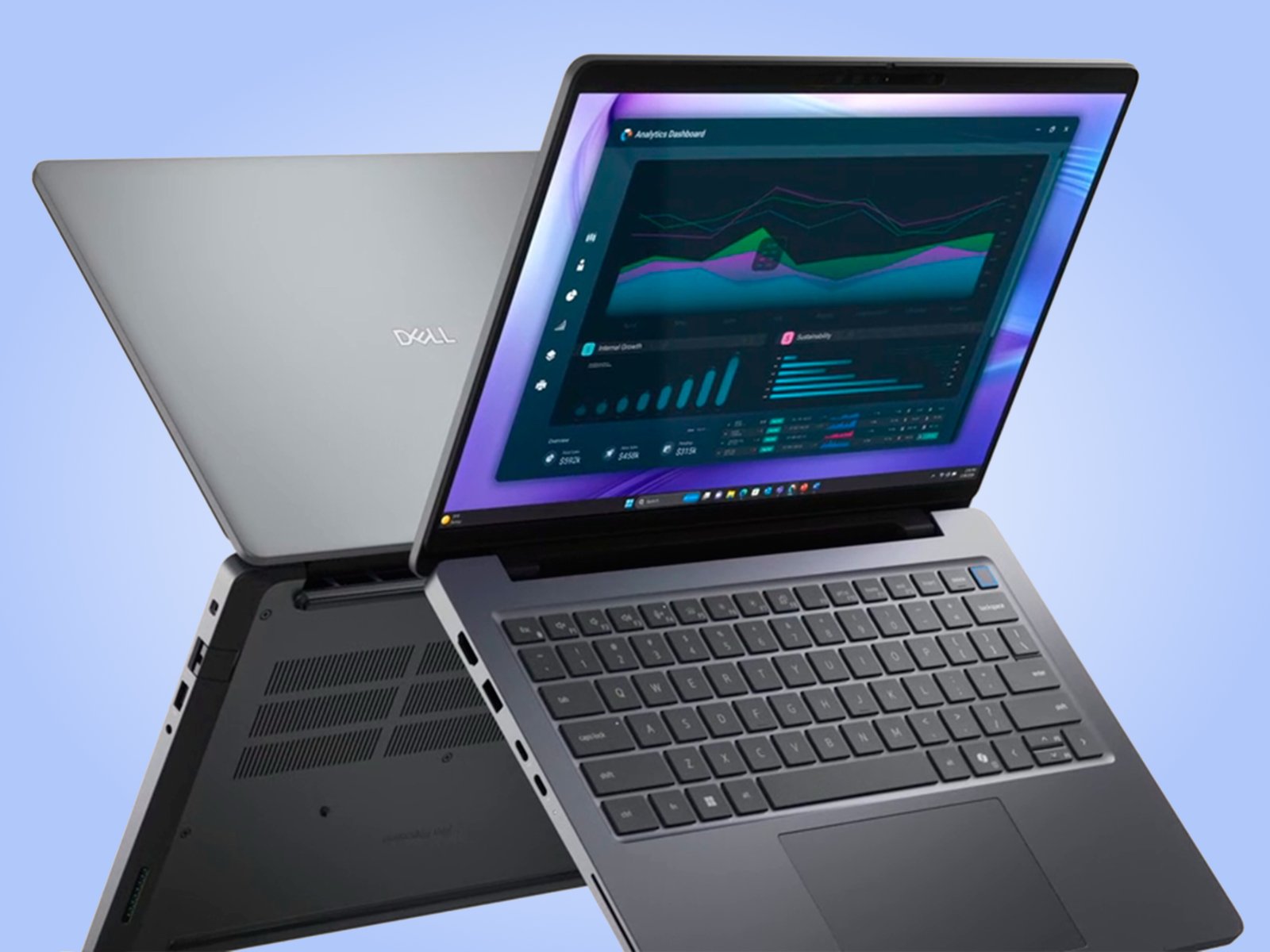
How it compares
| Feature | Pro Precision 5 Series 14 (global) | Pro Precision 7 Series 14 | Dell 14S (2025) |
|---|---|---|---|
| CPU | Core Ultra 7 366H (base) – up to Core Ultra 9 386H | Core Ultra 9 386H only | Core Ultra 5 336H |
| RAM | 16‑32‑64 GB LPC‑AMM2 DDR5‑5600 (8,533 MT/s) | 16‑32‑64 GB LPDDR5‑6400 (6,400 MT/s) | 8‑16 GB LPDDR5‑4800 |
| Storage | PCIe Gen 5, 0.5‑2 TB | PCIe Gen 5, 0.5‑4 TB | PCIe Gen 4, 0.5‑1 TB |
| Display | 400 nit IPS, 60 Hz, FHD+/QHD+ | 400 nit IPS or Tandem OLED, 60 Hz, up to 4K | 300 nit IPS, 60 Hz, FHD |
| Weight | 1.81 kg (3.99 lb) | 1.73 kg (3.81 lb) | 1.68 kg (3.70 lb) |
| Thickness | 13.97–23.65 mm | 13.5–22 mm | 14.2 mm |
| Battery | 72 Wh | 72 Wh (optional 90 Wh) | 56 Wh |
| OS options | Windows 11 Pro / Ubuntu 24.04 LTS | Windows 11 Pro | Windows 11 Pro |
| Starting price | $2,577 | $3,399 | $999 |
The Pro Precision 5 Series 14 pulls ahead in memory bandwidth thanks to the LPC‑AMM2 modules, which deliver roughly 30 % more throughput than the LPDDR5 used in the 7 Series. For workloads that stream large datasets—e.g., CAD assemblies, 3D texture maps, or AI inference—this can translate into noticeably smoother viewport performance.
Conversely, the display is the most obvious downgrade. The 7 Series’ optional Tandem OLED panel offers deep blacks, 100 % DCI‑P3 coverage and a 120 Hz refresh rate, making it ideal for color‑critical video work. The 5 Series sticks with a conventional IPS panel that, while bright enough for most office lighting, lacks the contrast and color gamut required by professional photo‑ or video editors.
In terms of portability, the 5 Series is marginally heavier and thicker, largely because Dell retained the same chassis design as the 7 Series but omitted the OLED panel’s thinner glass substrate. The extra 130 g is not a deal‑breaker, but it does push the notebook out of the ultra‑light category.
The price differential is where the 5 Series shines. At $2,577 it undercuts the 7 Series by roughly 25 %, making the higher‑end Core Ultra 9 CPU and up to 64 GB RAM more accessible to small studios or freelance engineers who cannot justify the premium OLED display.
Who should buy it
- Data‑intensive engineers – The high‑speed DDR5 memory and PCIe Gen 5 storage make the 5 Series a solid platform for simulation, finite‑element analysis and large‑scale data processing. The extra bandwidth helps keep the CPU fed during multi‑threaded workloads.
- Linux‑first professionals – Dell’s certified Ubuntu 24.04 image includes the latest Intel graphics stack and Thunderbolt 4 drivers, eliminating the need for a manual driver hunt. This is attractive for developers, researchers and system administrators who run native Linux tools.
- Budget‑conscious creators – If you need a workstation‑class CPU and the option for 64 GB RAM but can live with a standard IPS screen, the 5 Series offers a compelling price/performance ratio.
- Small‑to‑medium enterprises – The ability to configure the laptop with up to 2 TB of Gen 5 SSD and a 72 Wh battery means field technicians can run demanding diagnostic software for a full workday without swapping batteries.
Less suitable for users whose primary concern is visual fidelity—such as color‑critical photographers or video editors—because the lack of an OLED panel means you’ll need an external monitor for accurate grading.
Bottom line
Dell’s global rollout of the Pro Precision 5 Series 14 fills a niche between the entry‑level 14S and the premium Pro Precision 7 Series. It trades the OLED screen for a more affordable price while delivering a memory subsystem that outpaces most competitors in the 14‑inch segment. The inclusion of Ubuntu 24.04 as a first‑class OS option further widens its appeal to the growing Linux workstation market.
If you need raw compute power, massive DDR5 bandwidth, and the flexibility of a Linux environment without paying for an OLED display, the Pro Precision 5 Series 14 is now the most sensible choice in Dell’s 14‑inch workstation lineup.
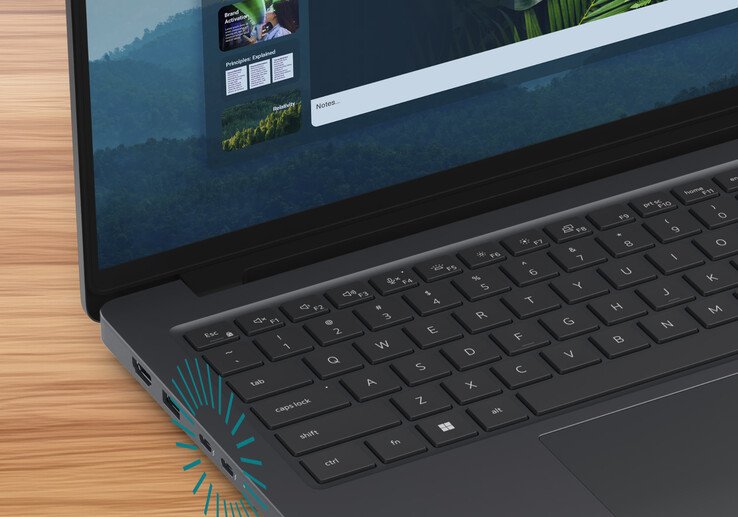
Sources: Dell US product page, Dell UK configuration guide, Dell Germany technical specifications.
Comments
Please log in or register to join the discussion