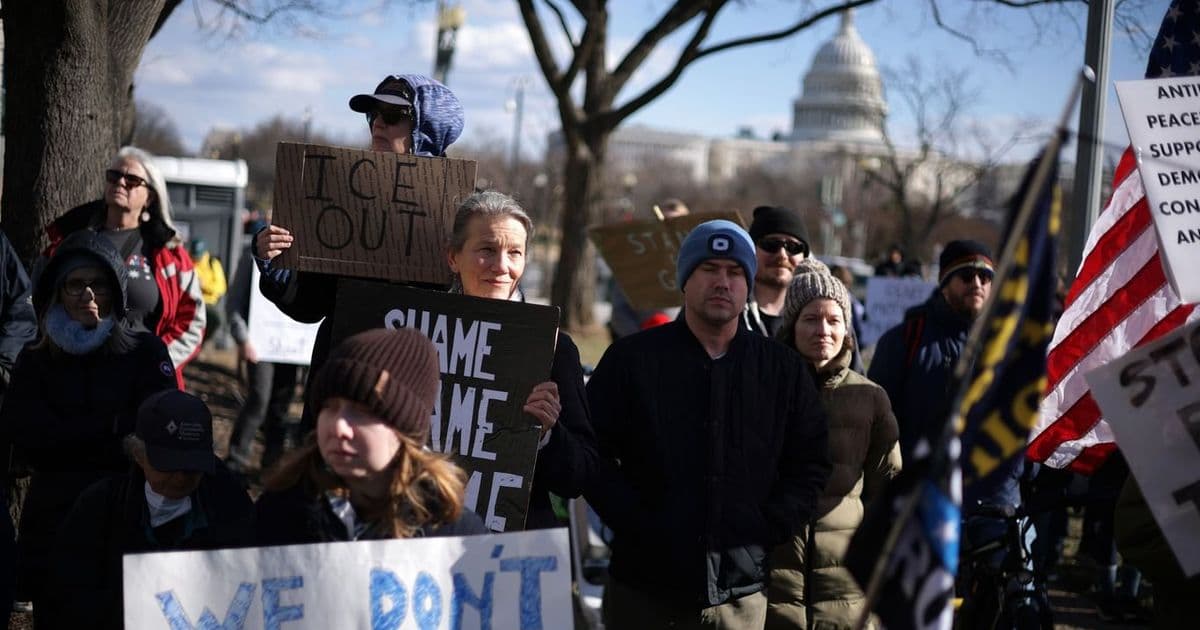
Progressive calls to abolish ICE are creating a rift within the Democratic Party, pitting moral urgency against electoral pragmatism in a debate that could define the party's 2026 positioning.
The Democratic Party faces a familiar but intensifying internal conflict as progressive activists and some elected officials escalate demands to abolish or fundamentally restructure Immigration and Customs Enforcement. This resurgence of anti-ICE organizing comes at a moment when border security and immigration enforcement have re-emerged as central political vulnerabilities for Democrats, particularly in swing districts where the party lost ground in recent cycles.
Progressive lawmakers including Representatives Alexandria Ocasio-Cortez and Ilhan Omar have publicly supported calls to "abolish ICE" in recent weeks, citing documented abuses within the agency's detention and deportation operations. These positions resonate strongly with the party's activist base, which views ICE as a symbol of the Trump administration's hardline immigration policies that persisted in modified form under the Biden administration. The progressive caucus argues that ICE's enforcement-first mandate creates inherent conflicts with humanitarian values and that immigration enforcement should be reimagined under different agencies with different priorities.
Moderate Democrats, particularly those representing districts that Trump won or narrowly lost in 2024, see this rhetoric as politically toxic. Representatives from border states and industrial Midwest districts have privately and publicly pushed back, warning that calls to abolish ICE alienate independent voters and provide ammunition for Republican attack ads. The internal polling from competitive districts shows immigration enforcement ranks as a top concern among swing voters, and moderate strategists believe any association with "defund the police"-style slogans around ICE could be devastating in 2026 House races.
The debate reflects deeper strategic disagreements about the party's direction. Progressive organizers argue that moral clarity on immigration should not be sacrificed for political calculation, pointing to polling that shows younger Democratic voters increasingly support more humane immigration systems. They contend that the party's 2024 losses stemmed from failing to energize the base rather than from being too progressive on immigration. Meanwhile, moderate strategists point to specific House races where Democratic candidates distanced themselves from progressive immigration positions and outperformed the party's presidential ticket.
What makes this iteration of the ICE debate different is the broader political context. The Biden administration's struggles with border management and record migration flows have made immigration a more potent issue for Republicans. Conservative media amplifies every instance of immigrant crime while Democratic divisions over enforcement agencies play into a narrative that the party prioritizes undocumented immigrants over public safety. The timing is particularly problematic as Democrats need to defend vulnerable Senate seats in states like Arizona, Nevada, and Michigan where immigration sentiment varies dramatically by region.
The strategic implications extend beyond messaging. If progressives successfully push ICE abolition into the mainstream Democratic platform, it could complicate efforts to rebuild trust with working-class voters who supported Trump. Conversely, if moderates suppress the debate entirely, they risk depressing turnout among young progressives and Latino voters who want to see the party take stronger stands against enforcement abuses. The party's 2026 prospects may hinge on whether leadership can craft a position that acknowledges ICE's documented problems while offering a credible alternative that doesn't sound like wholesale abandonment of immigration enforcement.
Some party strategists are exploring middle-ground proposals that would restructure ICE's functions rather than abolish the agency entirely, separating criminal investigations from civil immigration enforcement. These proposals aim to address progressive concerns about family separations and workplace raids while maintaining enforcement capabilities that moderate voters expect. However, even these compromise positions face resistance from both sides, with progressives viewing them as insufficient and moderates fearing any structural changes will be politically damaging.
The debate also reveals generational and geographic fault lines within the party. Younger activists who came of political age during the Trump era view ICE as fundamentally illegitimate, while older Democrats remember when immigration enforcement enjoyed broader bipartisan support. Urban Democratic constituencies overwhelmingly support reforming ICE, but suburban and rural Democrats in competitive districts face very different political realities. This geographic polarization within the party mirrors the broader national polarization but creates unique challenges for national party messaging and platform development.
As the 2026 midterms approach, Democratic leadership faces pressure to resolve these tensions without alienating either wing. The party's ability to craft a coherent immigration position that can win in both deep-blue cities and purple suburbs may determine whether they can reclaim House and Senate majorities. The ICE debate serves as a proxy for larger questions about whether the party can maintain a big-tent coalition while addressing the moral imperatives that motivate its base and the practical political realities that govern electoral success.
Comments
Please log in or register to join the discussion