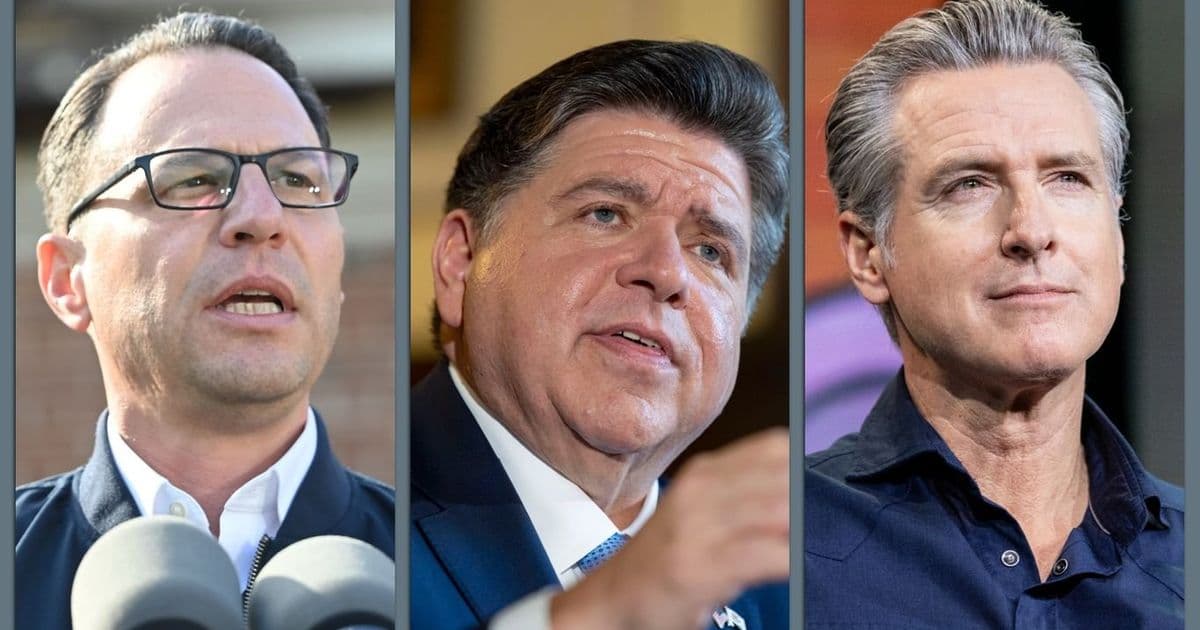
Three Democratic governors are openly discussing their traumatic childhoods as they position themselves for potential presidential runs, using personal narratives to connect with voters and distinguish themselves from the current administration.
Three Democratic governors are increasingly making their traumatic childhoods central to their political identities as they position themselves for potential presidential runs in 2028.
Pennsylvania Governor Josh Shapiro, Illinois Governor JB Pritzker, and California Governor Gavin Newsom have all recently opened up about childhood experiences ranging from family dysfunction to physical abuse, framing these stories as foundational to their political worldviews and leadership styles.
Shapiro has spoken publicly about growing up in a household marked by his father's volatile temper and physical discipline. "I learned early on that leadership means standing up to bullies," Shapiro said in a recent campaign-style speech, drawing a direct line from his childhood experiences to his confrontational approach to politics.
Pritzker has detailed his struggles with obesity as a child and the emotional toll of being bullied, using these experiences to inform his advocacy for children's health initiatives and anti-bullying legislation. His campaign team has begun incorporating these personal stories into biographical materials distributed at Democratic events.
Newsom has been the most explicit, regularly referencing his childhood marked by his father's alcoholism and his mother's struggles with mental health. "I understand what it means to grow up in chaos," Newsom told donors at a California fundraiser last month. "That's why I'm so committed to creating stability and opportunity for the next generation."
The strategy represents a calculated shift in Democratic politics, where personal trauma has traditionally been kept private. Political strategists note that this openness serves multiple purposes: humanizing candidates who might otherwise be seen as privileged elites, creating emotional connections with working-class voters, and distinguishing themselves from President Biden's more reserved personal style.
However, the approach carries risks. Some Democratic operatives worry that focusing on childhood trauma could come across as opportunistic or could invite scrutiny of candidates' family members. There's also the question of whether voters want presidents who wear their psychological wounds openly.
Political analysts suggest this trend reflects broader cultural shifts toward vulnerability and authenticity in leadership, accelerated by the pandemic and social movements that have destigmatized mental health discussions. The governors appear to be betting that voters will reward emotional honesty and see their childhood struggles as evidence of resilience and empathy.
The timing is particularly notable as Democrats face pressure to articulate a post-Biden vision for the party. By foregrounding their personal stories, these governors are attempting to build emotional connections with voters before policy debates intensify.
As the 2028 race takes shape, the question remains whether voters will see these childhood narratives as compelling evidence of character or as calculated political positioning. What's clear is that for these three governors, their pasts are no longer off-limits—they're central to their political futures.
Comments
Please log in or register to join the discussion