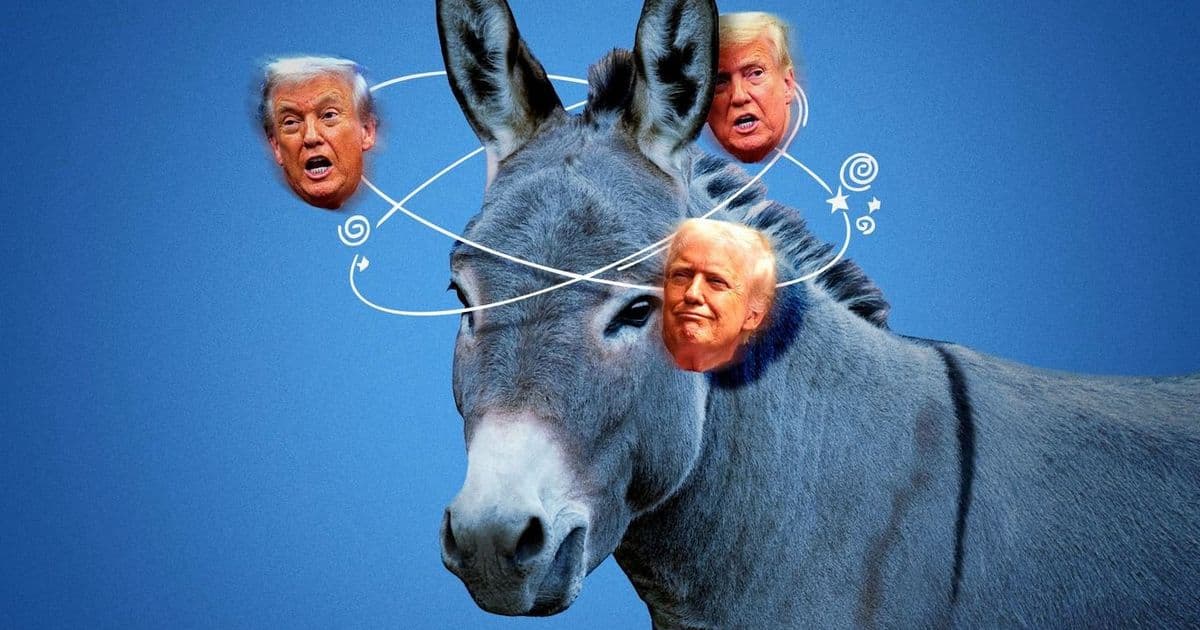
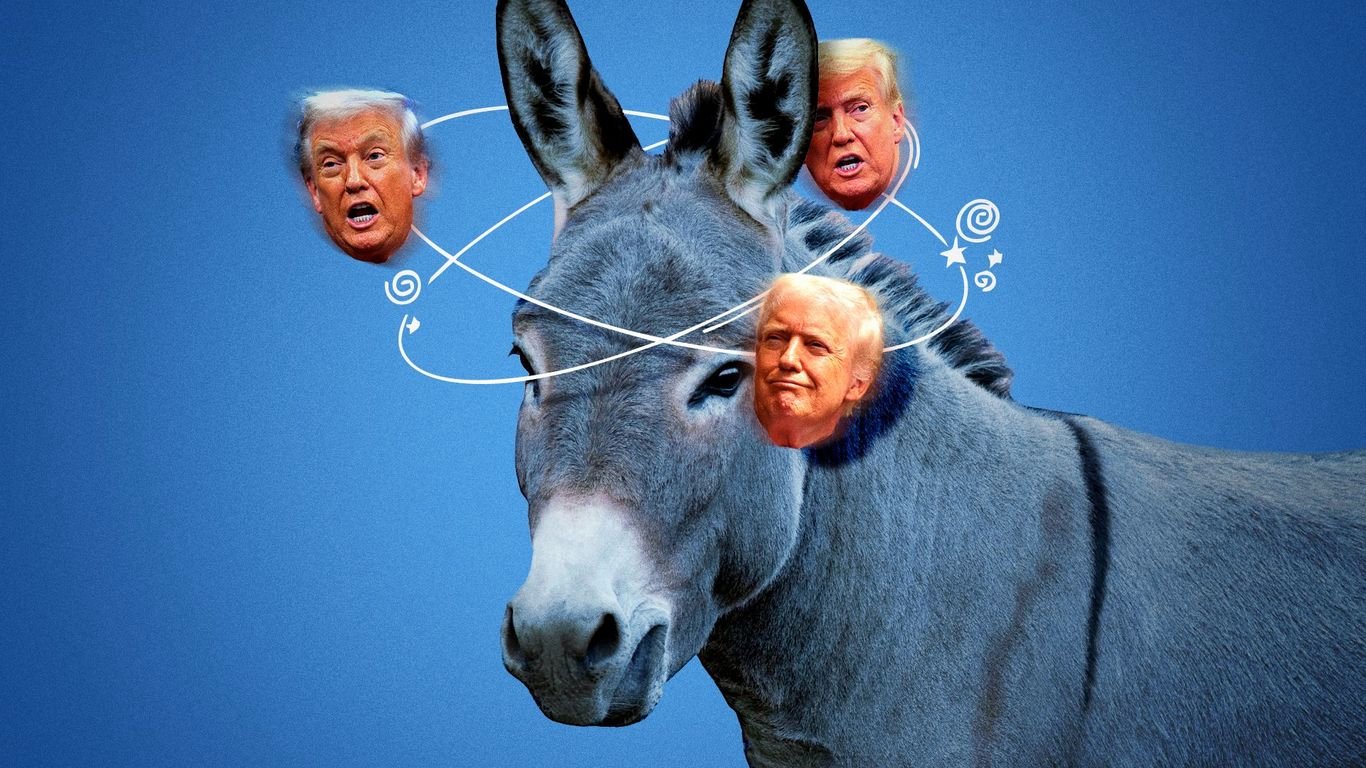
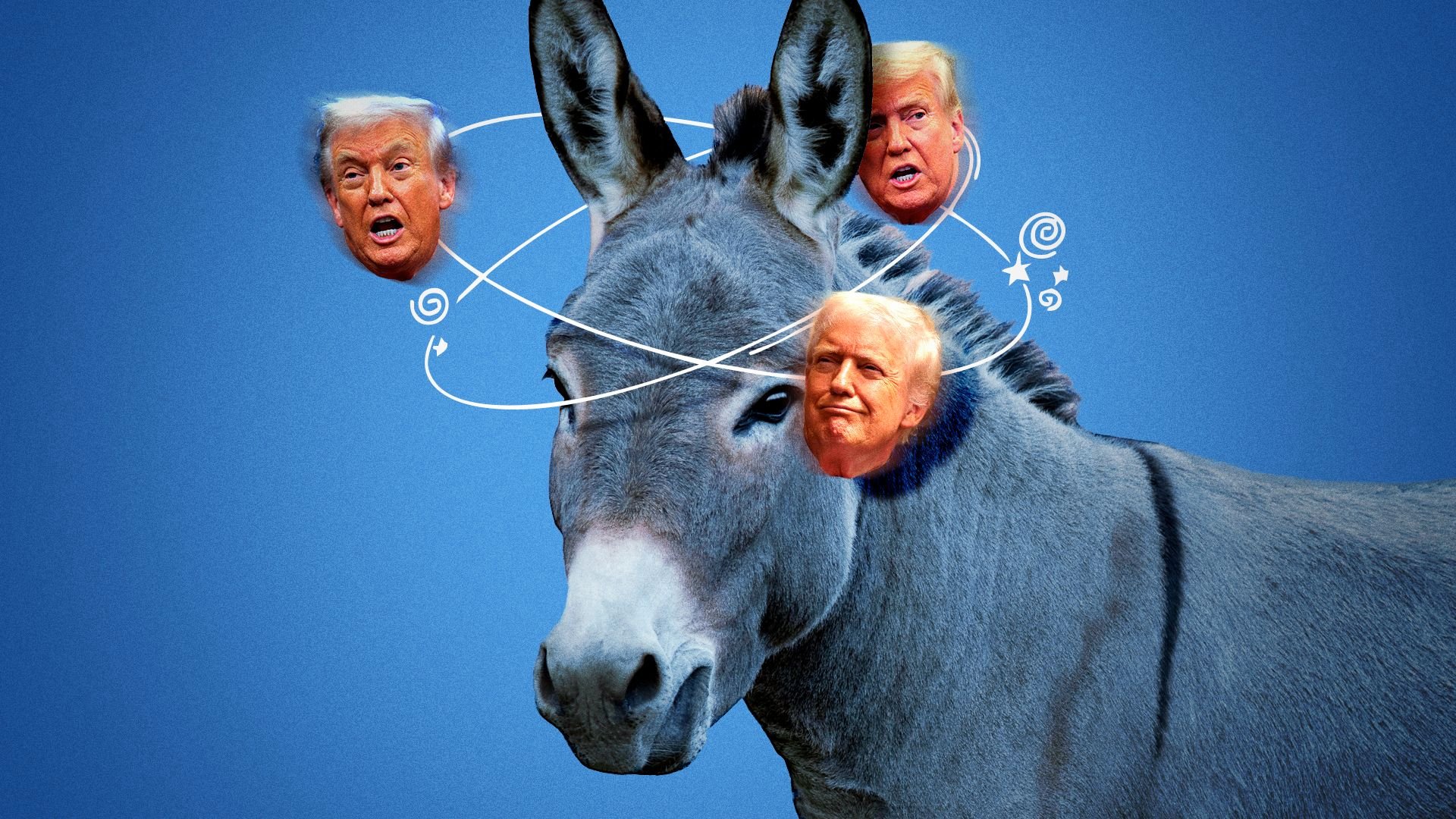
The Democratic Party confronts a fundamental identity crisis as it grapples with how to position itself in a post-Trump political landscape, with internal debates over whether to embrace progressive policies or pivot toward the center.
The Democratic Party finds itself at a critical crossroads as it prepares for the 2028 presidential election cycle, facing what party strategists describe as an existential identity crisis in the wake of Donald Trump's continued dominance in American politics.
The Trump Effect on Democratic Strategy
The unexpected resilience of Trump's political influence has forced Democrats to reconsider their entire approach to governance and messaging. Party leaders are divided between those who believe doubling down on progressive policies is the answer, and those advocating for a return to centrist positions that dominated the party's approach in the 1990s.
"We're seeing a fundamental debate about what the Democratic Party stands for," says political analyst Sarah Chen of the Brookings Institution. "Do we position ourselves as the party of economic populism and social justice, or do we try to recapture the moderate suburban voters who have been drifting away?"
Internal Fractures Deepen
The divisions became particularly apparent during recent strategy sessions in Washington, where younger progressive members clashed with more established party figures over the direction forward. The debate centers on several key issues:
- Economic messaging: Should Democrats focus on wealth inequality and corporate accountability, or emphasize economic growth and job creation?
- Social policies: How aggressively should the party pursue progressive social reforms?
- Electoral strategy: Do Democrats need to rebuild their coalition in rural and working-class areas, or double down on urban and suburban strongholds?
The Generational Divide
Perhaps the most significant fault line runs between older party leaders who came of age during the Clinton era and younger progressives who view the current political moment as requiring more radical solutions. This generational tension has created a stalemate that threatens to leave the party directionless heading into the next election cycle.
What's at Stake
The stakes extend beyond the 2028 election. Democratic strategists worry that failing to resolve this identity crisis could lead to a permanent realignment of American politics, potentially relegating the party to permanent minority status in national elections.
"This isn't just about winning the next election," explains campaign veteran Mark Rodriguez. "It's about defining what the Democratic Party will be for the next generation of American politics."
The Path Forward
Several potential paths are emerging:
- The Progressive Path: Embrace bold, transformative policies on healthcare, climate change, and economic inequality
- The Centrist Path: Return to more moderate positions and focus on incremental change
- The Coalition Path: Attempt to bridge the divide by creating a big tent that accommodates both progressive and moderate wings
The party's ability to resolve these internal conflicts will likely determine not just its electoral fortunes, but its relevance in American political life for years to come.
Looking Ahead
As Democrats grapple with these fundamental questions, the political landscape continues to evolve. The party's response to this identity crisis could reshape American politics in ways that extend far beyond the 2028 election.
The coming months will be crucial as party leaders attempt to chart a course that can unite their fractured coalition while remaining competitive in an increasingly polarized political environment.
Comments
Please log in or register to join the discussion