The Department of Homeland Security's aggressive social media campaign promoting immigration enforcement has drawn copyright strikes and artist backlash for using unlicensed music and pop culture references, raising legal questions about government accountability.
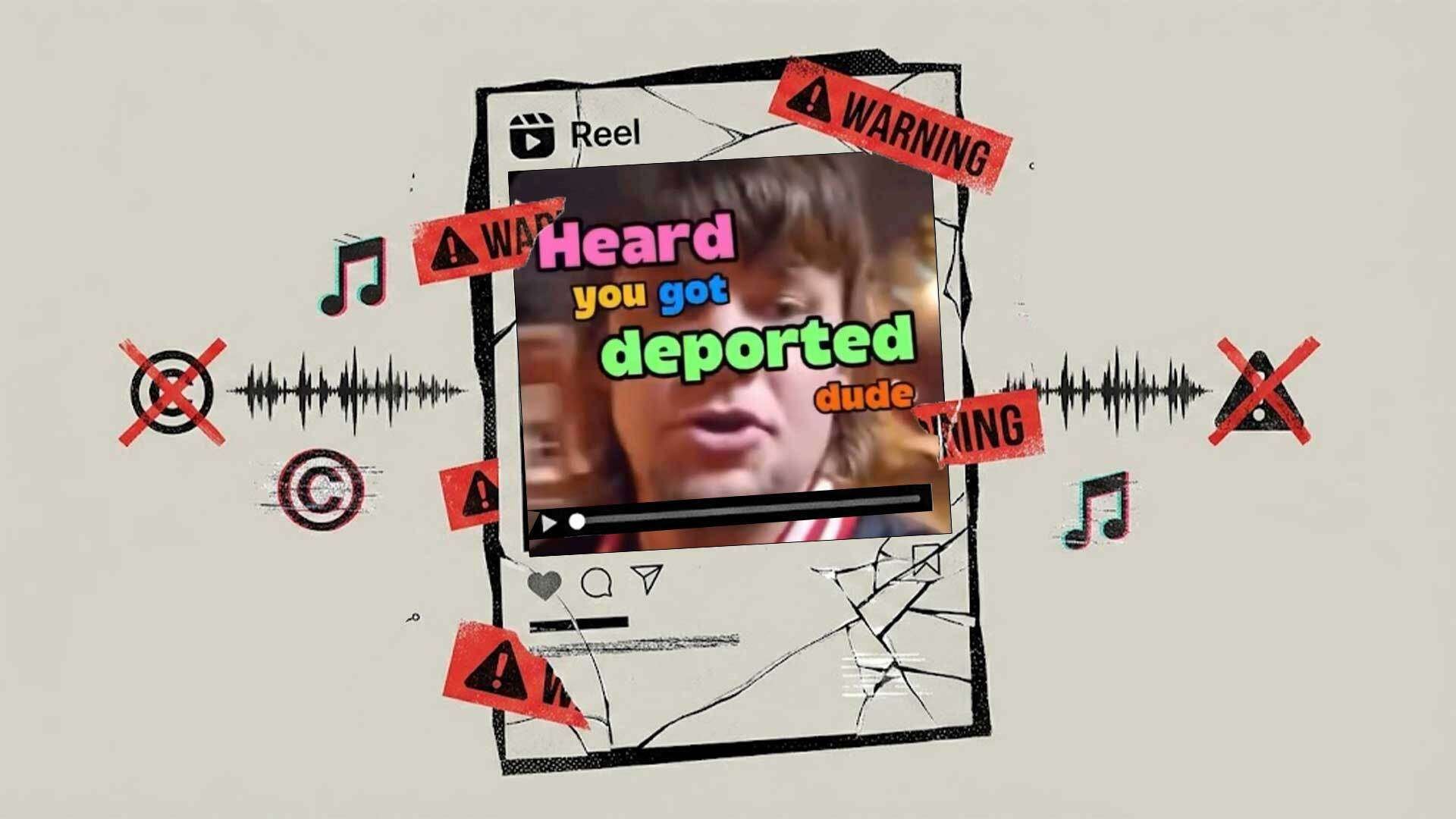
As Immigration and Customs Enforcement (ICE) agents deploy across U.S. cities, the Department of Homeland Security (DHS) has amplified its social media strategy with provocative content that's now facing copyright challenges. Between January and November 2025, DHS posted 487 times on Instagram alone—accounting for over 28% of its total content since joining the platform in 2014. These posts blend 20th-century propaganda aesthetics with modern meme culture, frequently incorporating unlicensed music and pop culture references to promote immigration crackdowns.
Multiple artists have publicly condemned DHS for unauthorized use of their work. In July, Black Rebel Motorcycle Club called out the agency for using their rendition of "God's Gonna Cut You Down" in a video featuring DHS Secretary Kristi Noem, stating: "It's obvious that you don't respect Copyright Law and Artist Rights any more than you respect Habeas Corpus and Due Process rights." Similar disputes emerged when Kenny Loggins demanded removal of "Danger Zone" from a Trump campaign AI video depicting protesters being targeted from a fighter jet, while Olivia Rodrigo objected to her song "all-american bitch" being used in deportation content, calling it "racist, hateful propaganda."
The copyright conflicts extend beyond music. British airline Jet2.com discovered its audio used without endorsement, comedian Theo Von protested unauthorized use of his voice in a DHS video (joking "send a check" since they knew his address), and Pokémon Company objected to comparisons of undocumented immigrants to creatures "caught for sport." A DHS video also appropriated Halo game visuals to liken immigrants to parasitic infections. When questioned, a spokesperson defended the approach: "We will reach people where they are with content they can relate to and understand."
Legally, DHS operates under Congress's waiver of sovereign immunity for copyright infringement. While the agency could theoretically claim fair use protections for commentary or news reporting, legal experts note that promotional and recruitment materials typically require licensing. The Trump administration appears willing to risk litigation—ironic given its immigration rhetoric emphasizes "rule of law." As copyright attorney Mara Gassmann explains: "Fair use defenses crumble when content serves governmental messaging objectives. This is commercial-adjacent speech."
Despite multiple copyright strikes and removal requests, no lawsuits have yet been filed. The Copyright Act limits remedies against federal entities: plaintiffs can't force content removal, only seek "reasonable compensation" for provable damages. This creates minimal disincentive for infringement. As evidenced by continued unauthorized use after takedown notices, DHS appears to prioritize viral engagement over copyright compliance—calculating that the propaganda value outweighs legal risks.
The situation highlights tensions between modern digital strategies and intellectual property frameworks. While governments historically enjoyed broad copyright exemptions, DHS's systematic appropriation of pop culture for political messaging tests legal boundaries. With artists lacking effective recourse beyond public shaming, the pattern suggests copyright law remains ill-equipped to address state-sponsored infringement in the social media age.
Comments
Please log in or register to join the discussion