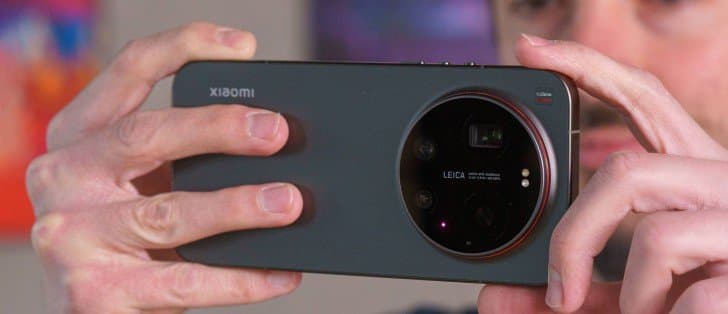
GSMArena tests the Xiaomi 17 Ultra's global variant, comparing it to the Chinese Leica edition and evaluating its performance, camera system, and new HyperOS 3 software.
The Xiaomi 17 Ultra has arrived in global markets, bringing flagship Android power with Leica-tuned photography to international audiences. After extensively testing the Chinese Leica edition, we received the global variant to see how it compares and whether it maintains the impressive standards set by its domestic counterpart.
Battery Trade-offs and Design Differences
The most notable change in the global model is the battery capacity. At 6000mAh, it's smaller than the 6800mAh found in the Chinese version, but still represents an upgrade over last year's Xiaomi 15 Ultra at 5410mAh. This reduction likely stems from different regulatory requirements or thermal considerations for global markets.
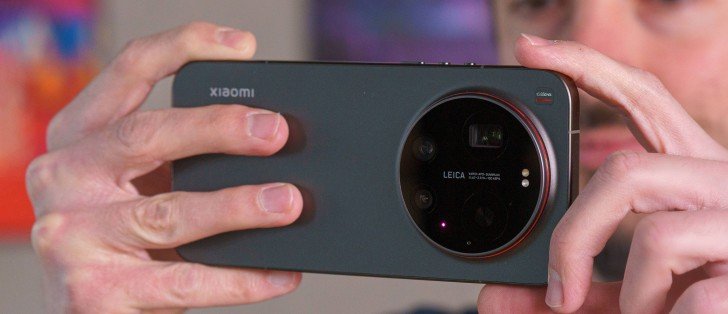
Beyond the battery, the global model lacks the rotating camera ring, satellite connectivity, and dedicated security chip that came with the Leica edition in China. The design also shifts to more conventional materials, though Xiaomi still offers premium build quality with glass front, fiber-reinforced plastic or silicone polymer back options, and an aluminum frame. The phone maintains its IP68/IP69 dust and water resistance rating, capable of withstanding high-pressure water jets and immersion up to 6 meters for 30 minutes.
Display Excellence
One area where the global model doesn't compromise is the display. The 6.90-inch LTPO AMOLED panel delivers exceptional brightness at 3500 nits peak, supports 120Hz refresh rates, and includes advanced features like 2160Hz PWM dimming for reduced eye strain. The 1200x2608px resolution provides sharp 416ppi density, while HDR Vivid, HDR10+, and Dolby Vision support ensure excellent content playback. The 19.56:9 aspect ratio offers plenty of screen real estate for media consumption and productivity tasks.
Snapdragon 8 Elite Gen 5 Performance
Powering the device is Qualcomm's latest Snapdragon 8 Elite Gen 5 chipset built on a 3nm process. The octa-core configuration pairs two high-performance Oryon V3 Phoenix L cores at 4.6GHz with six efficiency-focused Oryon V3 Phoenix M cores at 3.62GHz. The Adreno 840 GPU handles graphics duties, while UFS 4.1 storage ensures fast data access. Memory configurations range from 512GB with 12GB RAM up to 1TB with 16GB RAM, providing ample space and multitasking capability.
Revolutionary Camera System
The camera hardware represents the phone's standout feature. The main 50MP sensor uses a massive 1-inch type sensor with 1.6µm pixels, f/1.7 aperture, and 23mm focal length. Dual pixel PDAF and OIS ensure sharp, stable shots in various conditions.
Where things get interesting is the telephoto system. The 200MP sensor offers continuous optical zoom from 3.2x to 4.3x, covering 75-100mm equivalent focal lengths. The large 1/1.4" sensor with 0.56µm pixels and multi-directional PDAF handles everything from macro shots at 30cm to infinity focus. Digital cropping from this high-resolution sensor maintains impressive detail even at extreme zoom levels.
The ultra-wide camera uses a 50MP sensor with 14mm focal length and 115-degree field of view, while the TOF 3D depth sensor aids in portrait and AR applications. The front-facing 50MP camera with autofocus marks a significant upgrade for selfie enthusiasts.
Video capabilities are equally impressive: 8K30fps recording, 4K up to 120fps, and 1080p up to 1920fps for super slow-motion. The system includes gyro-EIS stabilization and supports Dolby Vision HDR 10-bit recording at 4K60fps.
HyperOS 3 Software Experience
This marks the first global flagship to ship with Xiaomi's HyperOS 3 based on Android 16. While we're still exploring the new features, early impressions suggest refined animations, improved multitasking, and enhanced privacy controls. The software experience aims to balance Xiaomi's customization with a more streamlined, global-friendly interface.
Charging and Connectivity
Charging capabilities remain flagship-tier with 90W wired charging supporting PPS, PD3.0, and QC3+ standards. Wireless charging hits 50W, while reverse wireless charging offers 10W and reverse wired charging provides 22.5W for powering accessories. The 6000mAh battery should provide excellent endurance despite the high-performance components.
Connectivity includes Wi-Fi 7, Bluetooth 5.4 with aptX HD, aptX Adaptive, and LHDC 5 audio codecs, NFC, and an infrared port for remote control functionality. The two-way satellite communication feature, present in the Chinese Leica edition, appears absent from the global model.
Unboxing Experience
European retail packaging takes a more minimalist approach, excluding the charger to reduce e-waste. The box contains the phone, USB-C to USB-A cable, and a transparent hard case. Xiaomi offers optional camera grips as accessories for enhanced photography ergonomics.
Leica Leitzphone: The Premium Alternative
For those seeking the ultimate Leica experience, Xiaomi is releasing a special "Leica Leitzphone powered by Xiaomi" variant. This device essentially repackages the Xiaomi 17 Ultra with Leica branding and potentially different software tuning. It represents Leica's expansion beyond Japan, where the Leitz Phone series has been exclusive, though it's worth noting this is still fundamentally a Xiaomi-made device with Leica collaboration rather than a co-developed product.
The Xiaomi 17 Ultra global edition delivers flagship Android performance with exceptional camera capabilities at a competitive price point. While it lacks some premium features from the Chinese Leica edition, the core experience remains compelling for photography enthusiasts and power users alike. The combination of Snapdragon 8 Elite Gen 5 performance, versatile camera system, and bright display makes it a strong contender in the premium Android smartphone market.
Comments
Please log in or register to join the discussion