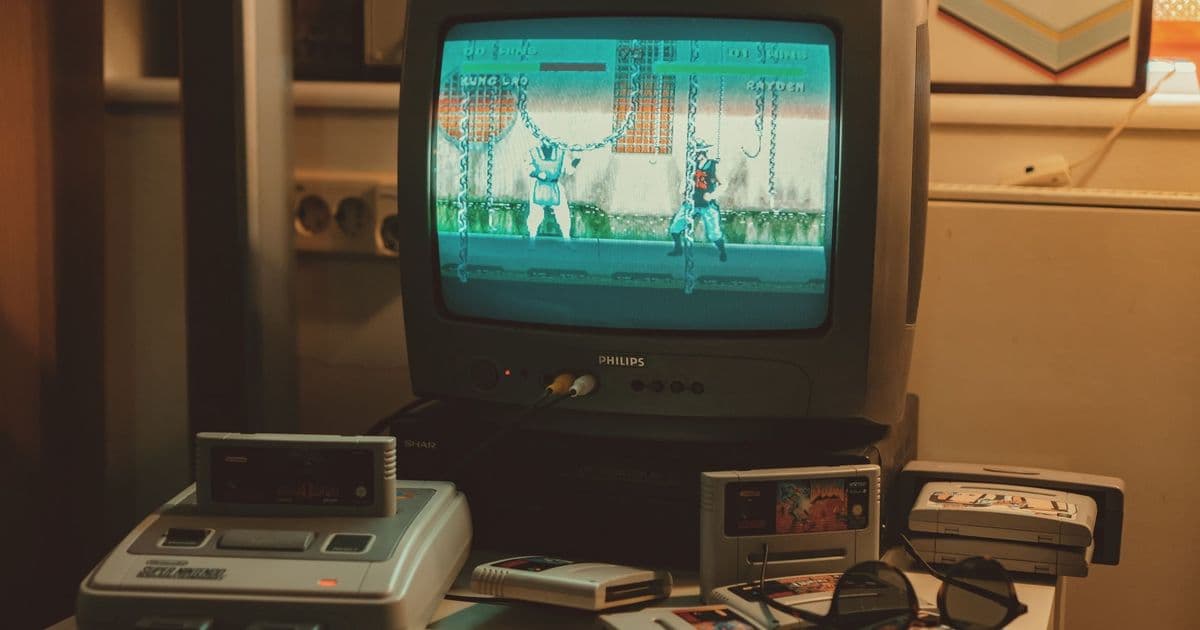
Myrient, one of the largest online video game archives, will close on March 31, 2026 due to unsustainable hosting costs driven by AI infrastructure demand and user abuse.
The digital preservation community faces a significant loss as Myrient, one of the internet's largest video game archives, announced it will shut down on March 31, 2026. The archive, which housed approximately 390TB of gaming history, cited unsustainable operational costs driven by the AI industry's voracious appetite for memory and storage hardware.
According to the archive's official Telegram page, the creator has been paying over $6,000 out of pocket each month to maintain the service. This financial burden stems from multiple converging factors that have transformed the economics of digital preservation.
The AI Infrastructure Squeeze
The timing of Myrient's closure coincides with a broader industry trend. German data center giant Hetzner recently announced price increases of up to 37% starting April 1, 2025, citing similar pressures. The AI infrastructure build-out has created unprecedented demand for RAM, SSDs, and hard drives, driving prices steadily upward.
"RAM, SSD, and HDD prices have been steadily rising due to the AI infrastructure build-out, resulting in higher hosting expenses for Myrient," the archive's creator explained. This supply squeeze affects not just large data centers but also smaller preservation projects that rely on consumer-grade hardware.
Technical Challenges Mount
The archive required "necessary upgrades to the storage and caching infrastructure" that the team could no longer afford. Memory chip shortages and storage constraints made it impossible to maintain the service at its current scale. For a project of Myrient's size, these aren't minor upgrades but fundamental infrastructure investments.
User Abuse Compounds Financial Strain
Beyond the hardware costs, Myrient faced another challenge: commercial exploitation of its content. The creator reported that some users were bypassing donation messages and built-in download protections, then adding paywalls to access the archived games.
"The use of Myrient for commercial, for-profit purposes has always been strictly forbidden," the announcement stated. "Such egregious and abusive usage of the site cannot be tolerated anymore."
This abuse not only violated the site's policies but also undermined its sustainability model. When users monetize content without supporting the infrastructure that makes it available, the entire preservation ecosystem suffers.
A Unique Preservation Model
What made Myrient particularly valuable was its community-driven approach to preservation. Unlike traditional archives that rely on institutional collections, Myrient allowed anyone to upload content the site needed.
This model meant that millions of gamers worldwide could contribute copies of their legally purchased titles, creating a distributed preservation network. If Myrient needed a specific game for safekeeping, users could submit their copies, building a comprehensive collection that reflected actual gaming history rather than just what institutions chose to preserve.
The Scale of Loss
With 390TB of data, Myrient represented one of the most comprehensive collections of gaming history available online. The archive's closure means this massive repository of digital culture will become inaccessible unless individual users download the content before the March 31 deadline.
However, downloading 390TB requires significant resources. Users would need extensive storage capacity and fast internet connections to preserve even a fraction of the archive. The practical barriers to individual preservation efforts highlight why centralized archives like Myrient were so valuable in the first place.
Community Resources Remain
While the archive itself is closing, Myrient's Discord server and Telegram channel will remain accessible. These platforms will continue to serve as gathering places for gamers and preservationists to discuss saving their favorite titles and potentially organizing future preservation efforts.
The continued existence of these community spaces offers hope that Myrient or a similar project might eventually return. However, the massive scale of information involved means any revival would require substantial funding from deep-pocketed supporters.
Broader Implications for Digital Preservation
Myrient's closure illustrates a growing challenge for digital preservation: the rising cost of storage hardware driven by competing demands from AI infrastructure. As AI companies compete for the same memory and storage resources that preservation projects rely on, smaller initiatives face increasingly difficult financial calculations.
This trend suggests that the future of digital preservation may depend on finding sustainable funding models that can compete with the economic incentives driving AI infrastructure development. Whether through institutional support, community funding, or innovative technical solutions, preservation projects will need to adapt to an environment where storage hardware commands premium prices.
For now, the gaming community has until the end of March to salvage what they can from one of the internet's most ambitious preservation efforts. The closure of Myrient serves as both a warning about the fragility of digital archives and a call to action for those committed to preserving gaming history for future generations.
Comments
Please log in or register to join the discussion