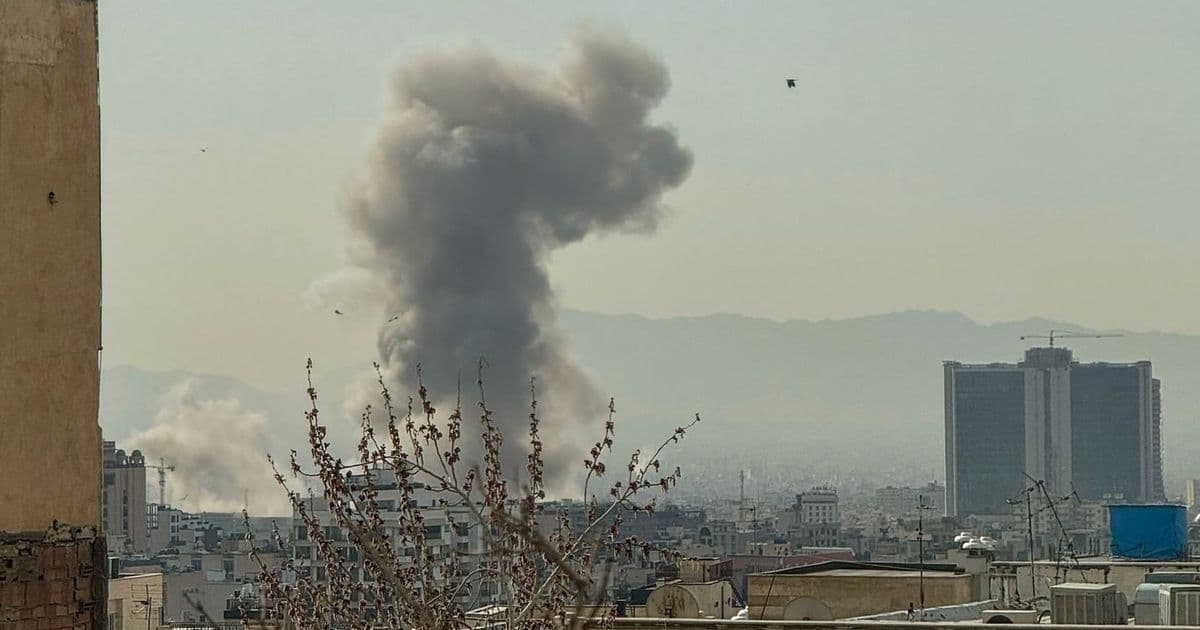
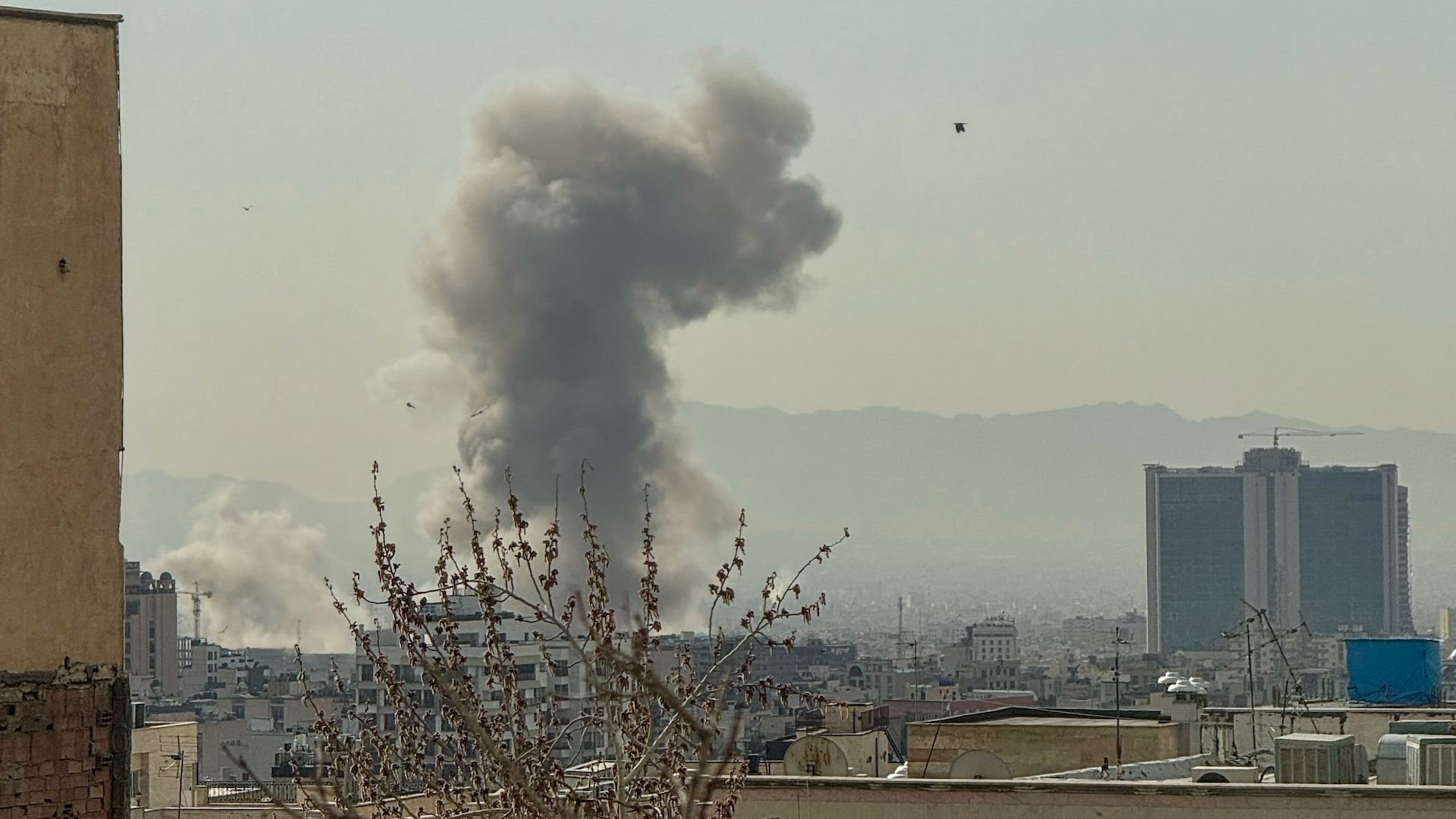
The reported U.S. attack on Iran has sent shockwaves through global energy markets, with oil prices spiking and traders bracing for potential supply disruptions from one of the world's largest oil producers.
The reported U.S. attack on Iran has sent shockwaves through global energy markets, with oil prices spiking and traders bracing for potential supply disruptions from one of the world's largest oil producers.
Immediate Market Impact
Oil prices surged nearly 5% in early trading following reports of the attack, with Brent crude jumping to $87 per barrel and West Texas Intermediate reaching $83.50. The market reaction reflects deep concerns about potential disruptions to Iran's oil exports, which currently stand at approximately 1.5 million barrels per day.
"This is exactly the kind of geopolitical shock that energy markets fear," said Sarah Thompson, senior energy analyst at Global Risk Analytics. "Iran sits on the Strait of Hormuz, through which roughly 20% of the world's oil flows. Any disruption there would have immediate global consequences."
Iran's Strategic Position
Iran ranks as the world's seventh-largest oil producer and holds the world's second-largest natural gas reserves. The country exports roughly 80% of its crude oil to Asia, with China, India, and South Korea as its primary customers.
Beyond direct exports, Iran's influence extends through the Organization of the Petroleum Exporting Countries (OPEC), where it's a founding member. Any Iranian response could potentially involve coordinated action with other OPEC members, amplifying market effects.
Supply Chain Vulnerabilities
The attack raises immediate questions about the security of energy infrastructure in the Persian Gulf region. Iran has previously threatened to close the Strait of Hormuz in response to military action, a move that would block oil shipments from Saudi Arabia, Iraq, Kuwait, and the UAE.
"The market is pricing in not just the immediate loss of Iranian supply, but the risk of a broader regional conflict," noted Michael Chen, commodities strategist at Energy Markets International. "That's why we're seeing such a pronounced price reaction."
Historical Precedents
Energy markets have experienced similar shocks before. The 1990 Gulf War saw oil prices double within months, while the 2003 Iraq War caused a 40% price spike. However, the current situation differs in key ways:
- Global oil inventories are relatively healthy compared to past crises
- The U.S. has become a major oil exporter, providing some buffer against supply shocks
- Renewable energy adoption has reduced oil's share in power generation
Economic Implications
The price surge threatens to accelerate inflation in energy-importing nations. Europe, already grappling with high energy costs, faces renewed pressure as natural gas prices typically correlate with oil markets.
In the U.S., higher oil prices could push gasoline prices above $4 per gallon nationally, reversing recent declines. This would impact consumer spending and potentially slow economic growth.
Strategic Responses
Oil-consuming nations are likely to tap strategic reserves to stabilize markets. The International Energy Agency's emergency response mechanism, established after the 1970s oil shocks, allows coordinated releases from member countries' stockpiles.
China, the world's largest oil importer, has already signaled readiness to release crude from its strategic reserves if needed. The U.S. Strategic Petroleum Reserve, though reduced from recent releases, still holds approximately 370 million barrels.
Long-term Market Shifts
The attack may accelerate existing trends in global energy markets:
- Diversification of supply chains: Countries may accelerate efforts to reduce dependence on Middle Eastern oil
- Renewable energy investment: Higher oil prices make alternatives more economically attractive
- Energy security prioritization: Nations may increase strategic reserve holdings
Expert Analysis
"This event underscores the persistent vulnerability of global energy markets to geopolitical shocks," said Dr. Elena Rodriguez, professor of energy economics at Georgetown University. "While the immediate price impact is significant, the longer-term consequences depend entirely on how this conflict evolves."
Energy analysts are particularly watching for:
- Iran's military response and potential for escalation
- Saudi Arabia and other Gulf states' security measures
- Global demand trends as economies adjust to higher prices
- Alternative supply sources coming online
Market Outlook
The current price spike may prove temporary if the conflict remains contained. However, sustained tensions could push oil prices toward $100 per barrel, a level not seen since 2022.
"Markets are in uncharted territory," said Thompson. "The combination of geopolitical risk, supply constraints, and strong demand creates a perfect storm for price volatility."
The coming days will be critical in determining whether this represents a brief market disruption or the beginning of a more sustained energy crisis. Traders and policymakers alike are watching for signs of escalation or de-escalation that could dramatically shift market dynamics.
For now, energy markets remain on edge, with every development in the region capable of moving prices significantly. The attack on Iran serves as a stark reminder of the fragile balance that underpins global energy security and the far-reaching consequences when that balance is disrupted.
Comments
Please log in or register to join the discussion