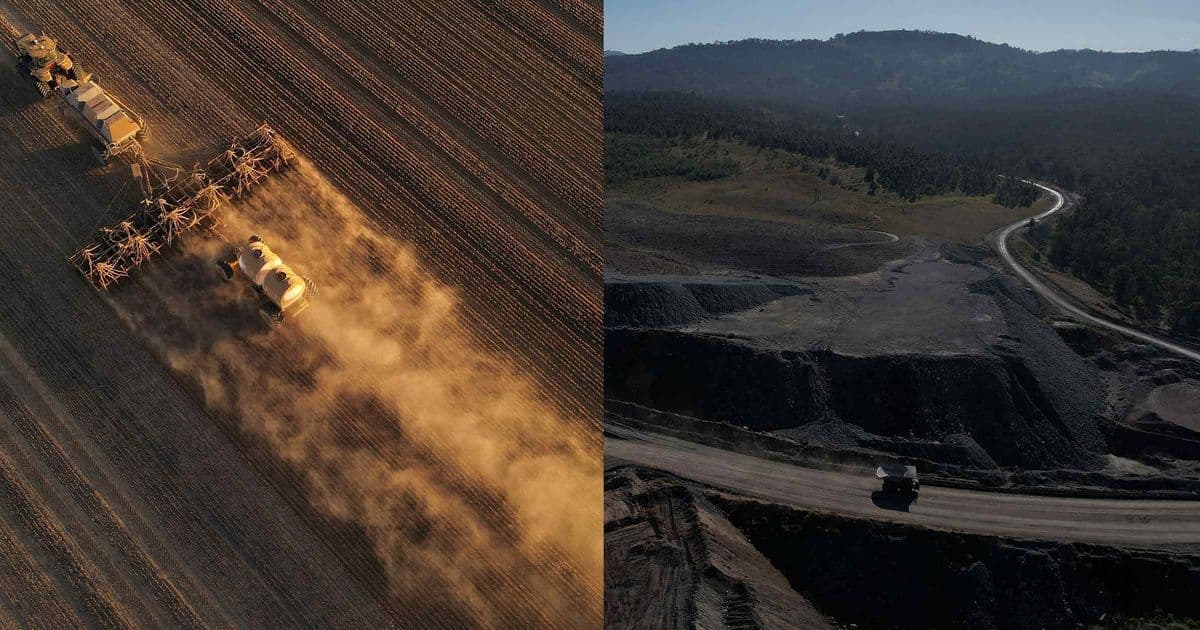
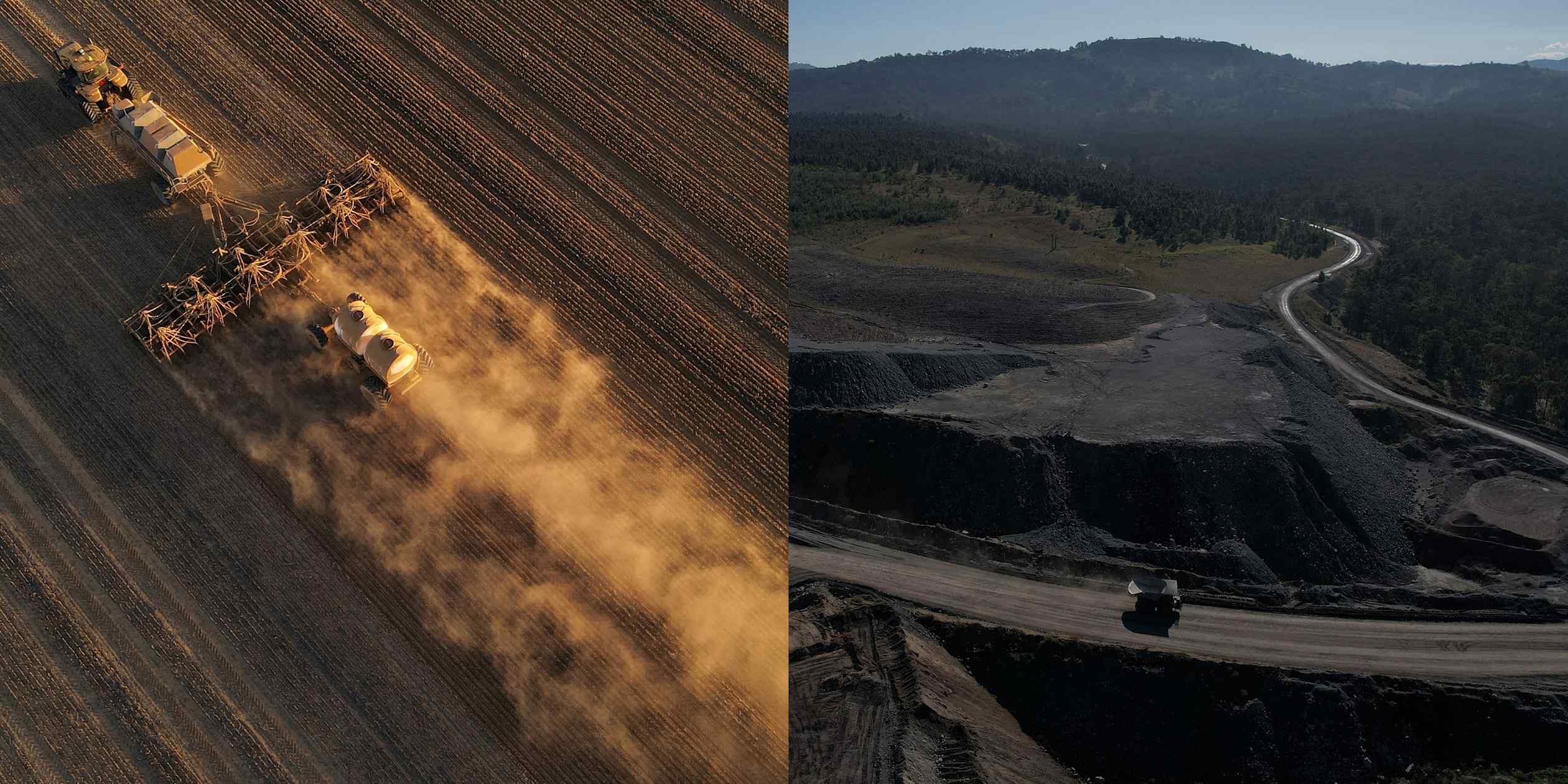
Escalating fuel prices and distribution disruptions driven by Middle East tensions are forcing Australian miners and farmers to make critical operational decisions, with smaller operators particularly vulnerable to the ongoing supply crunch.
Skyrocketing diesel prices and disrupted fuel distribution networks are creating significant challenges for Australia's resource and agricultural sectors, as industry representatives confirm that smaller operators are already facing difficult choices about scaling back operations. The crisis, exacerbated by geopolitical tensions in the Middle East, threatens to impact Australia's export capacity and domestic food production.
The Strait of Hormuz, through which approximately 20% of global oil passes, has become a flashpoint in escalating regional conflicts. This critical shipping lane disruption has sent diesel prices in Australia climbing by an estimated 15-20% over the past quarter, according to industry analysts. For mining operations, which consume vast quantities of diesel to power heavy machinery, and for agricultural businesses reliant on fuel for planting, harvesting, and transportation, these increases represent a substantial new cost burden.
"We're seeing unprecedented pressure on margins across the board," stated James Wilson, chief executive officer of the Australian Mining Association. "For smaller operations, the math is becoming increasingly difficult. When diesel represents 30-40% of operational costs, even a 20% price increase can make the difference between profitability and closure."
The impact extends beyond immediate operational concerns. Australia's mining sector, which accounts for approximately 10% of the country's GDP and 60% of exports, faces potential production cuts that could reverberate through the global supply chain. Agricultural producers, already contending with volatile commodity prices, now face additional cost pressures that may translate to higher food prices for consumers.
Industry data indicates that Australia consumes approximately 16 billion liters of diesel annually, with mining operations accounting for nearly 40% of that total. Agricultural operations consume another 25%, making these sectors particularly vulnerable to supply disruptions and price fluctuations.
"The current situation is forcing a fundamental reassessment of operational models," explained Sarah Chen, energy analyst at the Sydney-based Market Intelligence Group. "We're seeing accelerated interest in alternative fuel sources, more efficient equipment, and revised operational schedules to minimize fuel consumption. However, these transitions require significant capital investment that many smaller operators simply cannot make in the current climate."
The Australian government has acknowledged the challenges but has limited policy options to address the immediate crisis. While the nation maintains a strategic fuel reserve, release mechanisms are typically reserved for national emergencies rather than market-driven price increases. Export restrictions on diesel, while under consideration, would likely face significant opposition from international trading partners.
Looking forward, industry experts predict a period of consolidation as smaller operators either scale back significantly or exit the market entirely. Larger mining companies with greater financial resources may weather the storm but will face pressure to pass increased costs to customers, potentially accelerating global inflationary pressures.
The crisis also highlights Australia's vulnerability to global energy market disruptions. While the country is a significant energy producer, its refining capacity has diminished over recent decades, making it increasingly dependent on imported refined products like diesel. This structural weakness is likely to drive renewed discussion about energy security policy and domestic refining capacity.
For agricultural producers, the timing of the diesel price surge compounds existing challenges. Planting seasons, harvest periods, and transportation schedules are largely inflexible, leaving limited opportunities to adjust operations in response to changing fuel economics. This has led some farmers to delay equipment upgrades or defer maintenance, potentially impacting long-term productivity.
The mining sector, while more able to adjust short-term operations, faces different constraints. Production schedules tied to contractual obligations, combined with the high fixed costs of idling operations, create complex decision-making environments. Some companies are implementing fuel efficiency programs, while others are exploring renewable energy options for their operations, though these solutions require substantial upfront investment.
Global market analysts suggest that the diesel supply crisis in Australia represents a microcosm of broader energy market challenges. As geopolitical tensions persist and energy transition accelerates, traditional fuel markets face increasing volatility. This creates both challenges and opportunities for industries dependent on fossil fuels, with adaptation becoming a critical component of long-term strategy.
Comments
Please log in or register to join the discussion