
Digg returns under Kevin Rose and Alexis Ohanian's leadership, introducing AI-resistant verification systems and public moderation logs to rebuild trust in social aggregation.
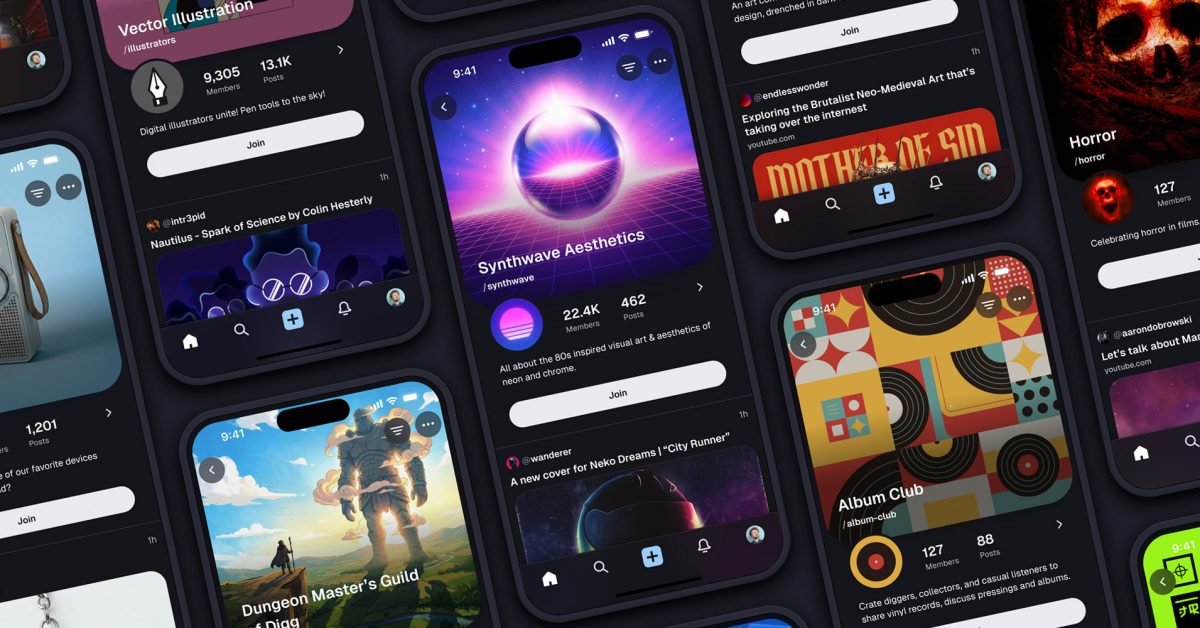
Digg has officially relaunched following its acquisition by original founder Kevin Rose and Reddit co-founder Alexis Ohanian, marking a significant attempt to rebuild the once-dominant social aggregation platform with renewed focus on combating modern web challenges. After operating in closed beta for several months, the platform is now publicly accessible with core architectural changes designed to address toxicity and AI-generated spam that plague contemporary social networks.
Rebuilding a Web Pioneer
The relaunch follows Rose and Ohanian's March 2025 acquisition of Digg from digital advertising firm BuySellAds. Digg peaked during Web 2.0's heyday before fragmenting in 2012, passing through multiple owners until the founders' buyback. This revival represents a conscious effort to apply lessons from decades of social platform evolution.
Trust Architecture
The rebuilt platform introduces a multi-layered verification system targeting AI-driven spam:
- Behavioral Analysis: Algorithms monitor engagement patterns to detect bot-like activity
- Ownership Verification: Certain communities may require proof of physical product ownership for participation
- Reputation Scoring: Users establish trust levels through consistent authentic engagement
"We're packaging verification signals that go beyond simple email confirmation," Rose explained in technical documentation. "The goal is creating communities where participants have verifiable stakes in the conversation."
Transparent Moderation Framework
Community moderation receives significant structural changes:
- Public moderation logs displaying all moderator actions
- Customizable community rulesets managed by moderators
- Decentralized administration replacing top-down control
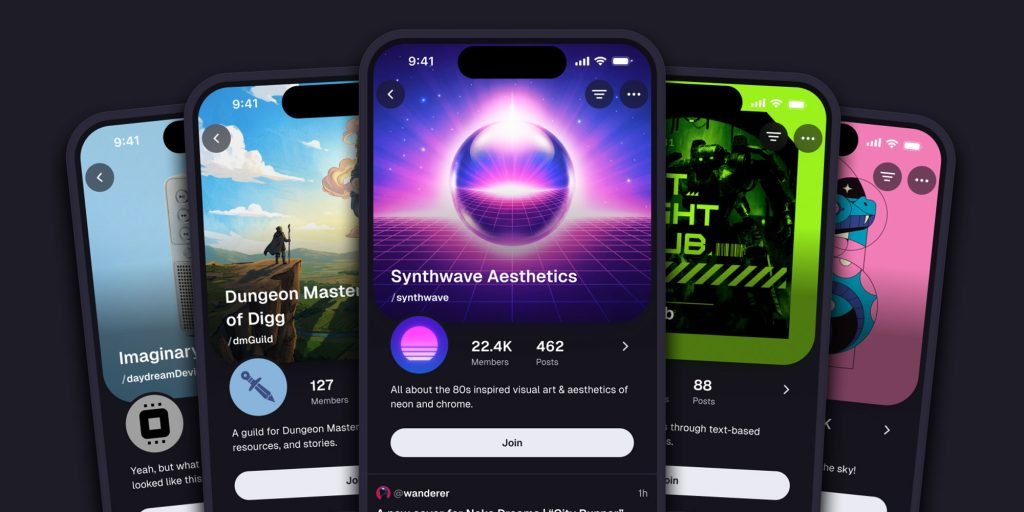
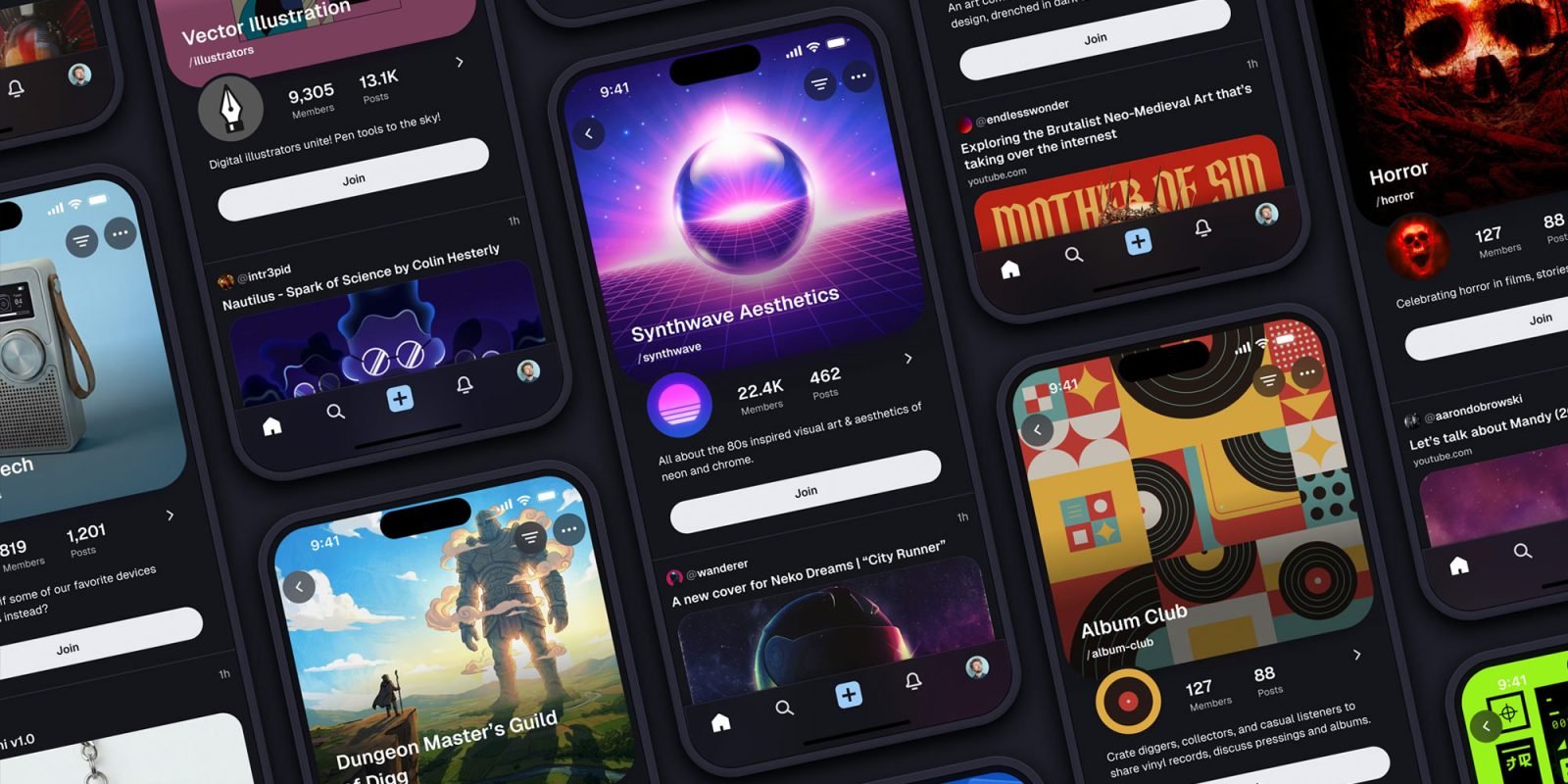
During beta testing, Digg limited users to 21 broad-topic communities. The public launch enables unrestricted community creation, with moderators establishing specialized forums ranging from niche hobbies to technical discussions. All moderation decisions within these spaces remain publicly auditable.
Developer Implications
While no public API exists yet, the architecture suggests future integration points:
- Potential for community-specific bots with permission systems
- Moderation log access enabling third-party analytics
- Verification systems that could interface with developer tools
The platform remains in open beta with no defined end date. Development priorities include refining spam detection heuristics and expanding moderation tools based on user feedback.
Digg is accessible via web browser or iOS app.
Comments
Please log in or register to join the discussion