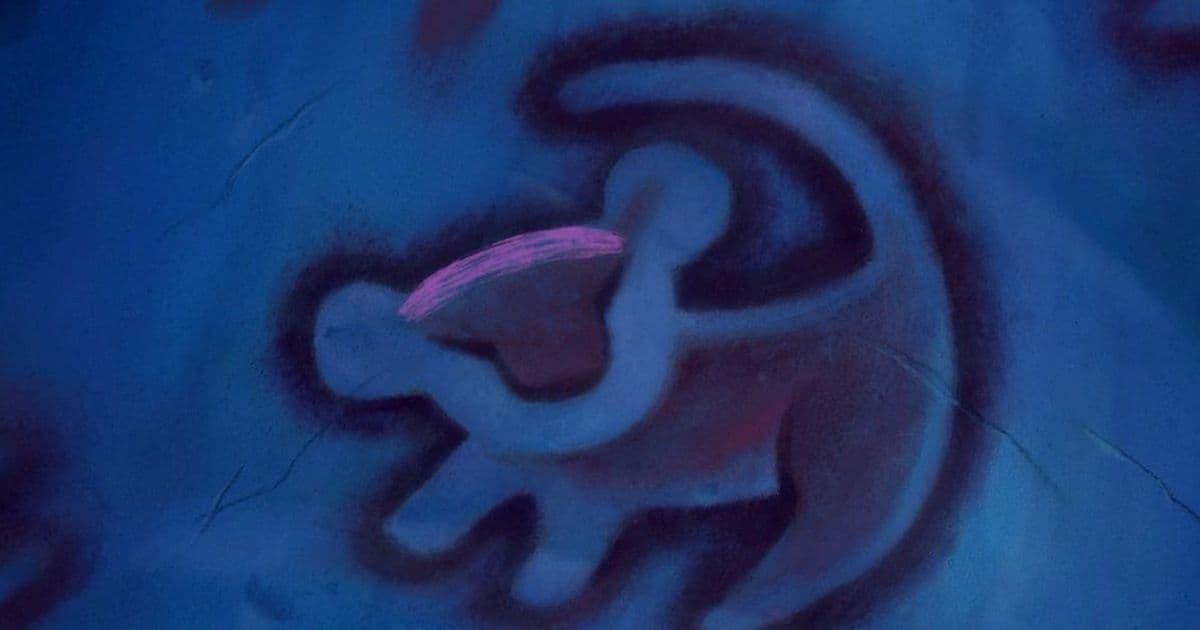
In the late 1980s, Disney partnered with Pixar to develop the Computer Animation Production System (CAPS), a groundbreaking software that replaced decades-old cel animation with digital tools. This article reveals how Disney's initial secrecy and technical gambles—driven by fears of tarnishing its handcrafted legacy—enabled cinematic masterpieces like The Lion King while paving the way for modern CGI.
In 1986, as Disney's animation division languished under outdated techniques and soaring costs, a covert technological pact was forged. Michael Eisner's newly revitalized studio secretly hired a fledgling Pixar—fresh off its SIGGRAPH triumphs with shorts like Luxo Jr.—to overhaul its entire production pipeline. The goal? Replace analog cels, some unchanged since Snow White, with a digital system that could restore artistic freedom and curb expenses. The result was the Computer Animation Production System (CAPS), a tool so revolutionary that Disney kept it under wraps for years, fearing it would "tarnish the luster" of its storied name. This is the untold story of how Silicon Valley innovation resurrected Disney magic.
The Cel Era: A Factory of Limitations
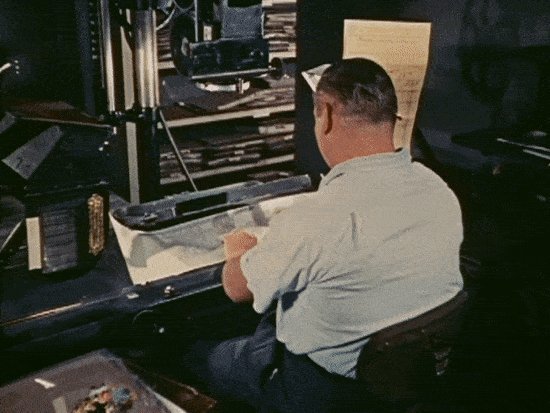
For decades, Disney animation operated like a precision factory. Artists inked characters onto transparent cels, layered them over painted backgrounds, and photographed each frame—a labor-intensive process Walt Disney himself called industrial "plant" work. By the 1980s, this method was crumbling. Costs had spiraled, forcing shortcuts that stripped away the lush details of classics like Pinocchio. Don Bluth and others lamented the loss of multiplane camera effects and vibrant palettes. As David Wolf, a CAPS team member, later noted, "We wanted to give the artist back the tools he had decades ago... and slow down escalating production costs." The solution required a digital leap, but Disney's leadership initially dismissed early pitches from Pixar founders Ed Catmull and Alvy Ray Smith as the ramblings of outsiders. "They didn’t have a clue what we were talking about," Smith recalled.
Building CAPS: Pixar's Stealth Partnership
After Eisner's takeover, negotiations culminated in a $1 million deal in 1986. CAPS was designed to digitize hand-drawn animation: artists sketched on paper, but scans were inked, colored, and composited using custom software. Pixar handled the graphics engine, enabling effects like depth-of-field and shadows, while Disney built the logistics system to manage millions of image files. Yet stigma lingered. Executives feared the public would see computers as "diluting handcrafted films," leading to extreme secrecy. When CAPS debuted in a single shot in 1989's The Little Mermaid, the team operated under strict nondisclosure agreements. "I didn’t even tell my family," admitted Dylan Kohler, a CAPS developer. The first full-scale test, 1990's The Rescuers Down Under, was a baptism by fire. Rushed into production with unfinished software, it faced crippling bugs and color inconsistencies. Producer Thomas Schumacher called it heartbreaking: "We attempted a feature film before anyone had made a short with it." Director Hendel Butoy deflected press inquiries, insisting it was "not a computer picture"—a reflection of Disney's mandated coyness.
Unshackling Creativity: The Renaissance Unleashed
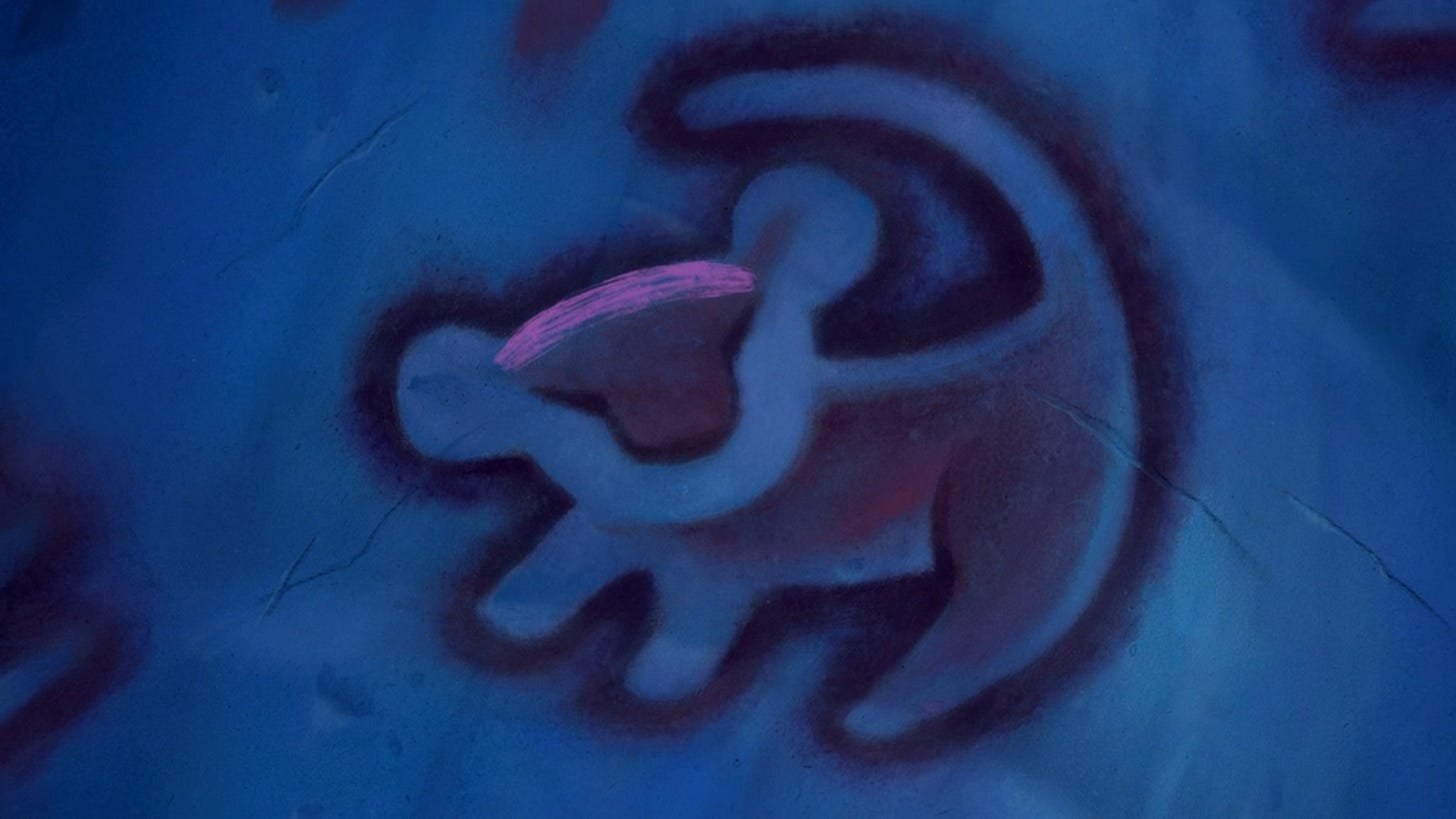
Despite the chaos, CAPS proved transformative. By 1994's The Lion King, it enabled 69 billion color options—up from nine palettes per movie in the cel era—and hundreds of multiplane shots that mimicked physical camera stacks digitally. Scenes like the wildebeest stampede or the shadow-drenched "Be Prepared" sequence were "prohibitively expensive or impossible pre-CAPS," as one journalist observed. In Beauty and the Beast, CAPS seamlessly composited 2D characters against 3D backgrounds in the ballroom scene, a technical marvel. Yet Disney's shame persisted: a lobby display for Beauty falsely claimed cels were used, and the team only earned an Oscar in 1992 after years of lobbying. As Smith quipped, Pixar was "screeching for recognition." Ironically, CAPS didn't reduce costs—artists simply pushed boundaries further. "The films today cost about as much... but look as good or better than the '30s and '40s," a Disney staffer conceded. The system's legacy is profound: it bridged hand-drawn art and digital innovation, proving, as one Pixar member argued, that "a computer is as inert as a pencil without the artist's hand."
Echoes in Modern Tech
CAPS laid groundwork for today's animation pipelines, where AI-assisted tools and real-time rendering build on its ethos of empowering artists. Yet Disney's journey—a blend of risk, secrecy, and eventual triumph—reminds us that technological revolutions often begin not with fanfare, but with whispered collaborations in darkened screening rooms. As Guillermo del Toro recently cautioned, apps don't create art; people do. In CAPS, artists wielded the pencil, and the computer was merely the sharpener.
Comments
Please log in or register to join the discussion