Disney+ will introduce vertical video streaming this year, embracing mobile-first engagement patterns pioneered by TikTok and Instagram Reels while presenting new technical challenges for cross-platform development.
Disney+ is fundamentally reshaping its mobile strategy by integrating vertical video capabilities into its streaming application, marking a significant technical pivot toward mobile-first content consumption. This move follows ESPN's successful implementation and responds directly to behavioral shifts driven by platforms like TikTok, Instagram Reels, and YouTube Shorts. For mobile developers, this represents both an opportunity and a complex implementation challenge across iOS and Android ecosystems.
Technical Implementation Challenges
Vertical video integration requires fundamental rethinking of core mobile app components:
- Player Architecture: Requires rebuilding video players using frameworks like Apple's AVFoundation or Android's ExoPlayer to handle 9:16 aspect ratios without letterboxing
- Orientation Handling: Implementing seamless transitions between portrait-locked vertical feeds and landscape playback for traditional content using
UIDeviceOrientationAPIs on iOS andOrientationEventListeneron Android - Performance Optimization: Vertical streaming demands efficient memory management for rapid-scroll feeds, particularly critical on iOS where
UICollectionViewprefetching and Android'sRecyclerViewview recycling must handle HD video thumbnails - Content Delivery: Disney's hybrid approach (original shorts + repurposed content) necessitates dynamic metadata systems to differentiate vertical assets in backend APIs
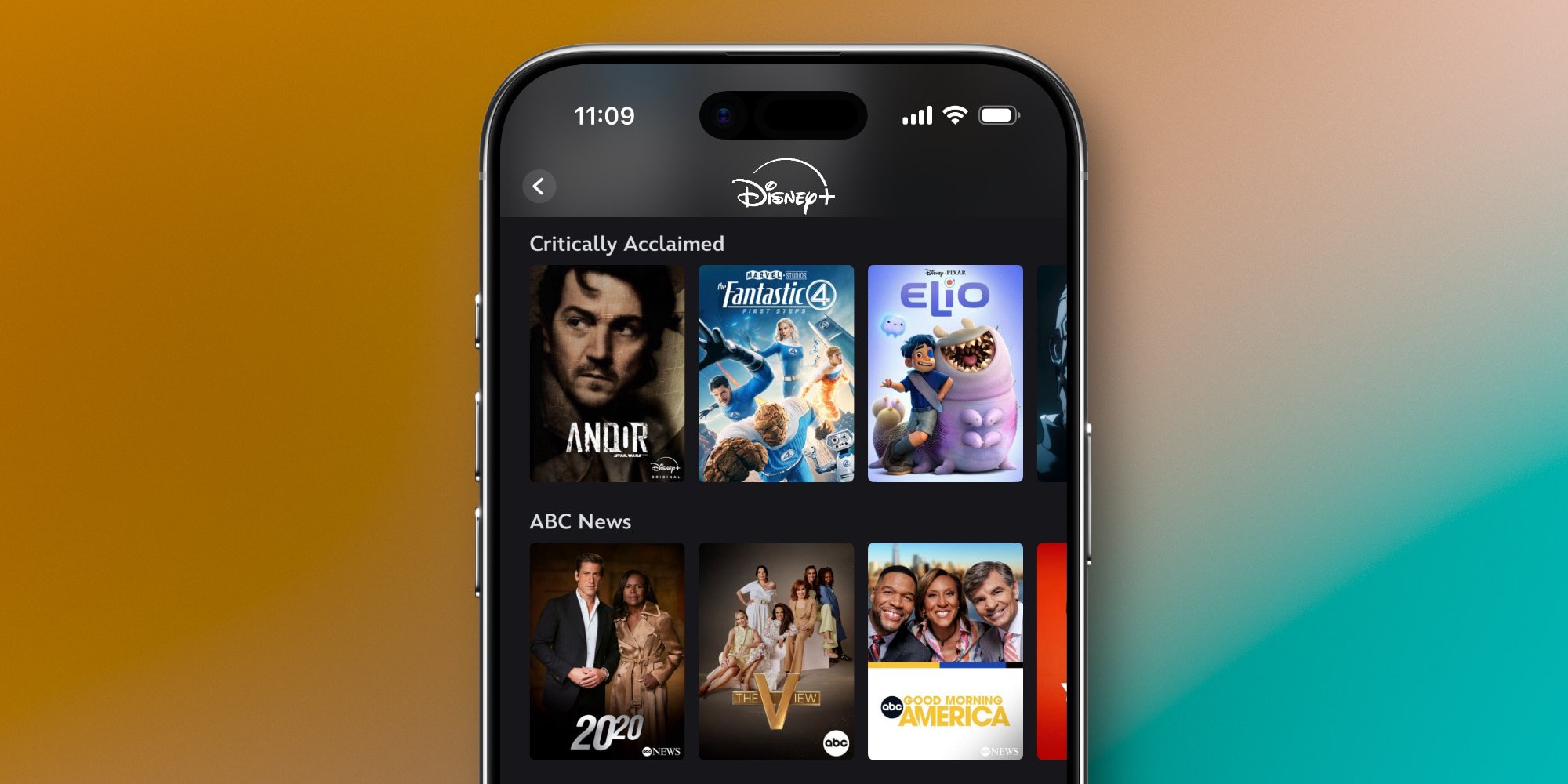
Cross-Platform Development Considerations
Disney+'s rollout will test platform-specific capabilities:
| Platform | Key Technical Requirements | Potential Pitfalls |
|---|---|---|
| iOS | AVKit customization for vertical playback, Core Animation transitions for swipe gestures | Memory pressure during cell recycling with video previews |
| Android | Custom ExoPlayer renderers, Jetpack Compose lazy grid implementations | Fragment lifecycle management during orientation changes |
| Shared | Backend content tagging system, adaptive bitrate streaming (HLS/DASH) profiles | Synchronization between vertical discovery and traditional library |
Disney executives confirmed they're avoiding "disjointed experiences," suggesting deep integration rather than bolted-on features. The ESPN app implementation provides critical learnings about viewport management and touch gesture responsiveness that will inform Disney+'s development.
Strategic Implications for Mobile Engagement
The technical overhaul targets habitual usage patterns:
- Session Frequency: Vertical content's "snackable" format aims for 5-10 daily micro-sessions versus weekly binge sessions
- Discovery Mechanisms: Algorithmic feeds will likely replace traditional grids, requiring new recommendation APIs
- Hybrid Content Pipeline: As EVP Erin Teague noted, Disney will blend original shorts, social clips, and reconfigured movie scenes—all demanding robust CMS architecture
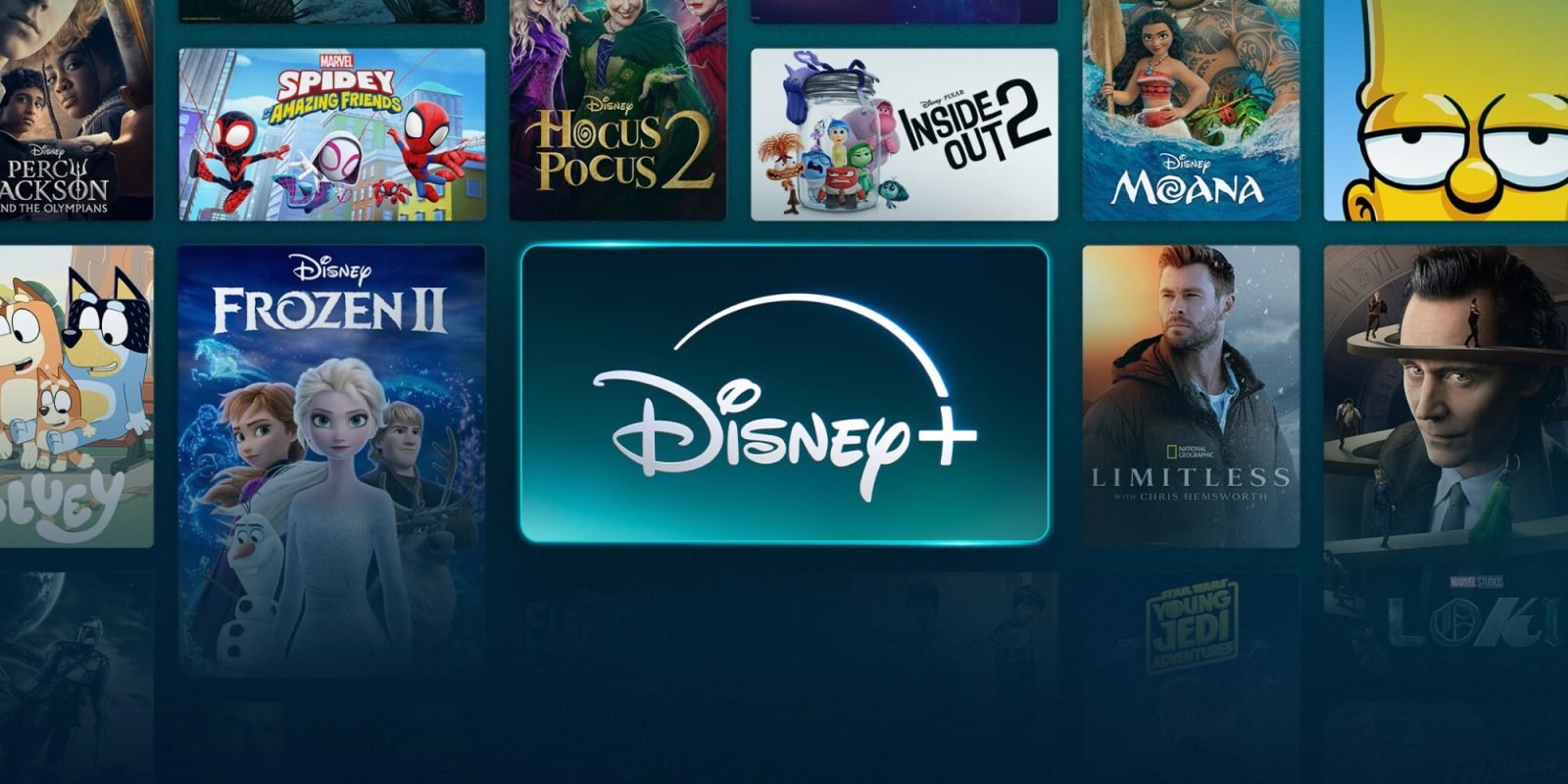
This shift coincides with Disney's OpenAI partnership for Sora-generated content, though initial implementations will likely prioritize human-produced vertical media. The move validates vertical video as a permanent streaming format, forcing competitors to reevaluate their mobile SDK strategies.
Developer Takeaways
For mobile teams working on streaming apps:
- Prioritize orientation-agnostic layouts using constraint-based UI frameworks (SwiftUI/Jetpack Compose)
- Implement video preloading strategies to minimize scroll lag—critical for 60fps vertical feeds
- Audit analytics pipelines to track engagement differences between vertical and traditional content
- Consider thermal throttling impacts during extended vertical playback sessions
The U.S. rollout later this year will serve as a real-world test for vertical streaming's technical viability at scale. As platforms converge around mobile-first consumption, Disney+'s implementation could establish new standards for performance benchmarks in streaming SDKs.
Comments
Please log in or register to join the discussion