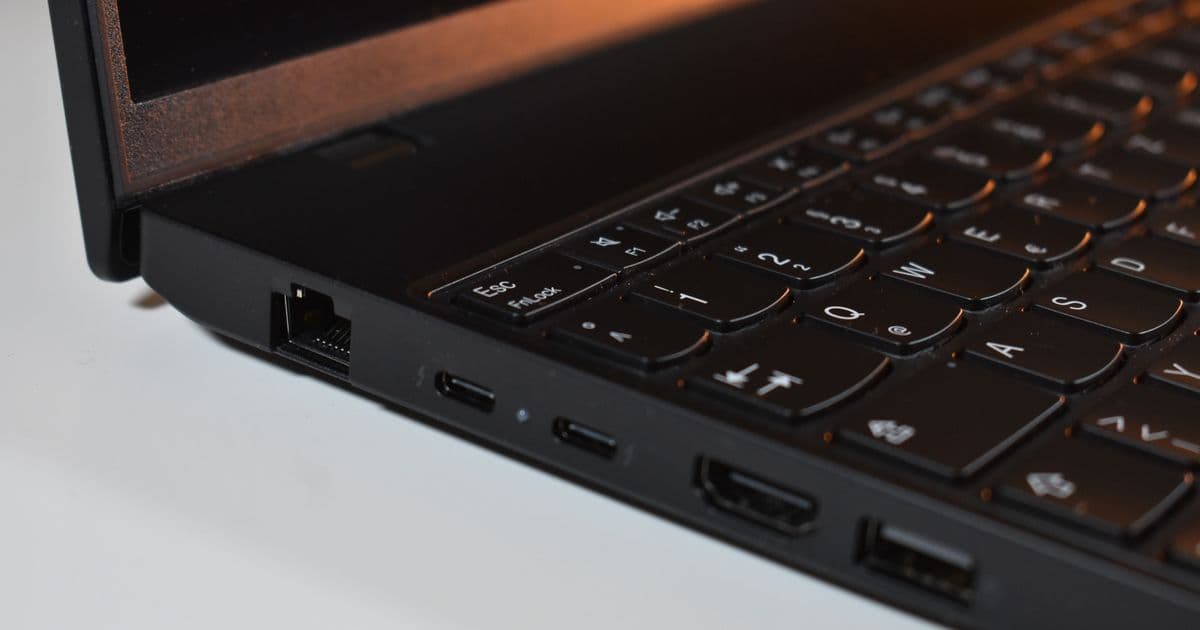
The Lenovo ThinkPad L16 Gen 2 AMD features the Ryzen 5 Pro 215, a Zen4 processor that notably lacks an NPU despite being part of AMD's Hawk Point Refresh series.
The tech industry's relentless push toward AI integration has reached a point where many consumers are experiencing AI fatigue. Everywhere you look, companies are touting their latest AI capabilities, from smartphones to home appliances. However, there are still pockets of resistance in the PC market, and the Lenovo ThinkPad L16 Gen 2 AMD we recently reviewed presents an interesting case study in this trend.
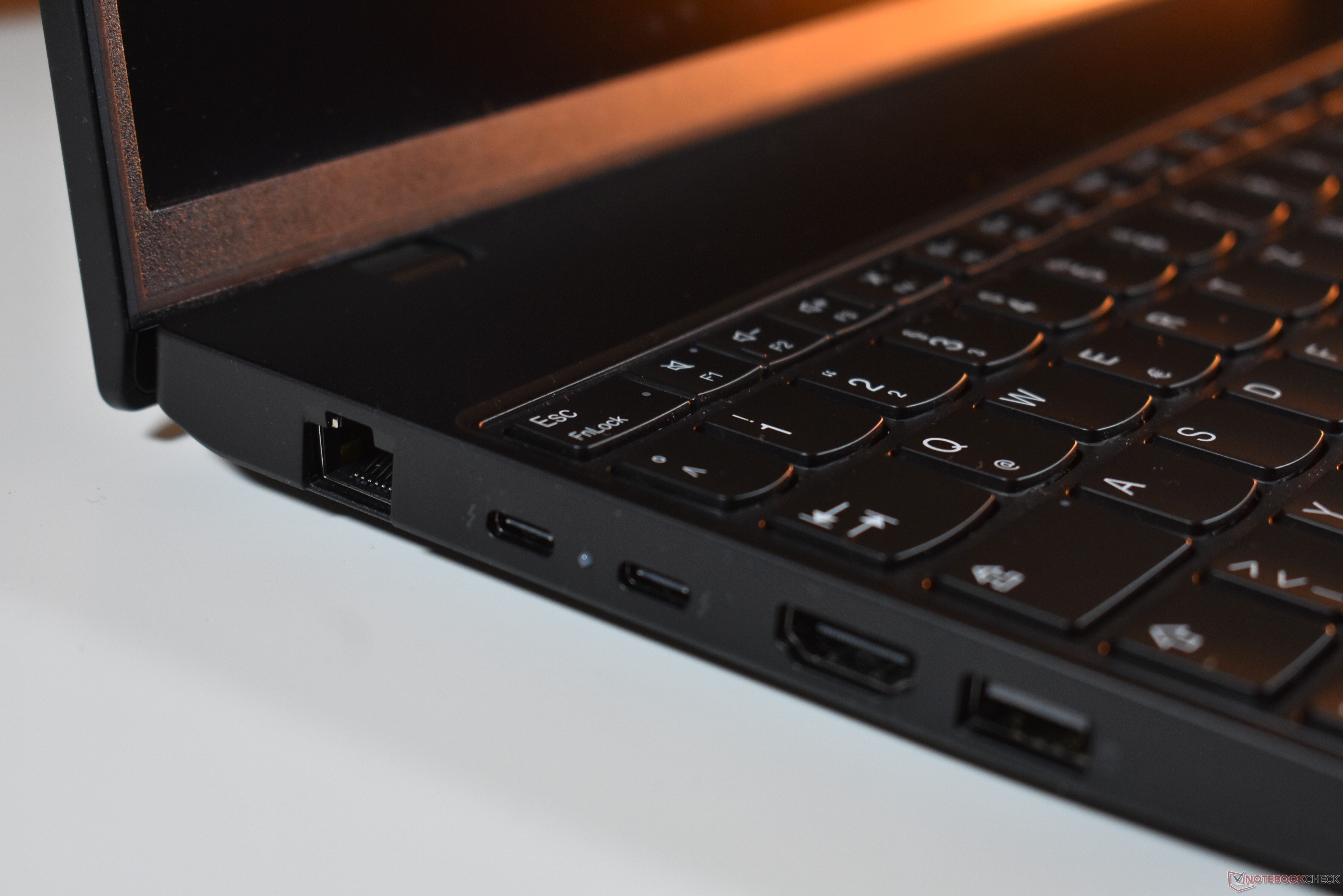
The laptop features the AMD Ryzen 5 Pro 215 processor, which stands out as a curious anomaly in AMD's current lineup. This CPU belongs to the Hawk Point Refresh series, built on the Zen4 architecture that originally debuted with the Ryzen 7040 series in 2023. What makes this processor particularly noteworthy is what it lacks: a Neural Processing Unit (NPU).
NPUs have become increasingly common in modern processors, especially those marketed for business and productivity use. These specialized AI accelerators are designed to handle machine learning tasks more efficiently than traditional CPU cores, enabling features like real-time language translation, advanced video conferencing capabilities, and improved security through biometric authentication.
Yet the Ryzen 5 Pro 215 bucks this trend entirely. While other processors in AMD's Ryzen 200 series, such as the Ryzen 5 Pro 230 and Ryzen 7 Pro 250, include dedicated AI hardware, this particular chip does not. This omission is especially puzzling given that the ThinkPad L16 Gen 2 AMD represents a significant upgrade over its predecessor, the ThinkPad L16 Gen 1 AMD, which was limited to older Zen3+ chips.
The Ryzen 5 Pro 215 is clearly positioned for business use, as indicated by its "Pro" designation. For typical office tasks, the six Zen4 cores that can clock up to 4.7 GHz provide more than adequate performance. The processor handles everyday productivity applications, web browsing, and document creation without breaking a sweat.
However, the lack of an NPU does create some limitations. As workloads become increasingly AI-dependent, users may find themselves missing out on efficiency gains and specialized features that NPU-equipped processors can provide. This is particularly relevant for business users who might benefit from AI-enhanced video conferencing, automated transcription services, or advanced security features.
The integrated graphics situation compounds the performance limitations. The AMD Radeon 740M GPU paired with this CPU is relatively weak, making it unsuitable for anything beyond basic visual tasks. Users requiring more graphical horsepower would need to look at higher-tier processors or consider discrete graphics options.
This configuration raises interesting questions about AMD's strategy. Why include an NPU in some Ryzen 200 series processors but not others? The decision seems particularly curious for a business-oriented chip like the Ryzen 5 Pro 215, where AI capabilities could provide tangible benefits for productivity and security.
The ThinkPad L16 Gen 2 AMD's configuration suggests that there's still a market for capable processors without the AI bells and whistles. Some users and organizations may prefer to avoid the complexity and potential privacy concerns associated with AI features, or they may simply want to allocate their budget to other specifications like memory or storage.
For the target audience of business users who primarily need reliable performance for office applications, the Ryzen 5 Pro 215 delivers adequately. The Zen4 architecture provides good single-threaded performance and respectable multi-threaded capabilities for its core count. The processor's efficiency also means the laptop can maintain reasonable battery life despite the lack of the latest power-saving AI features.
This situation highlights the ongoing fragmentation in the PC processor market. While flagship processors increasingly come packed with AI capabilities, there remains a significant segment of the market where traditional CPU performance still takes precedence over AI acceleration. The budget and mid-range sectors, in particular, continue to offer options for users who either don't need or don't want AI-focused hardware.
The Lenovo ThinkPad L16 Gen 2 AMD with its NPU-less Ryzen 5 Pro 215 serves as a reminder that the AI revolution, while significant, hasn't completely taken over the PC landscape yet. For users who prioritize straightforward performance and reliability over cutting-edge AI features, configurations like this still have their place in the market.
As AI capabilities become more deeply integrated into operating systems and applications, the absence of an NPU may become more noticeable over time. However, for current business use cases and the immediate future, the Ryzen 5 Pro 215 provides a capable, if somewhat unconventional, option for users who want modern Zen4 performance without the AI overhead.
Comments
Please log in or register to join the discussion