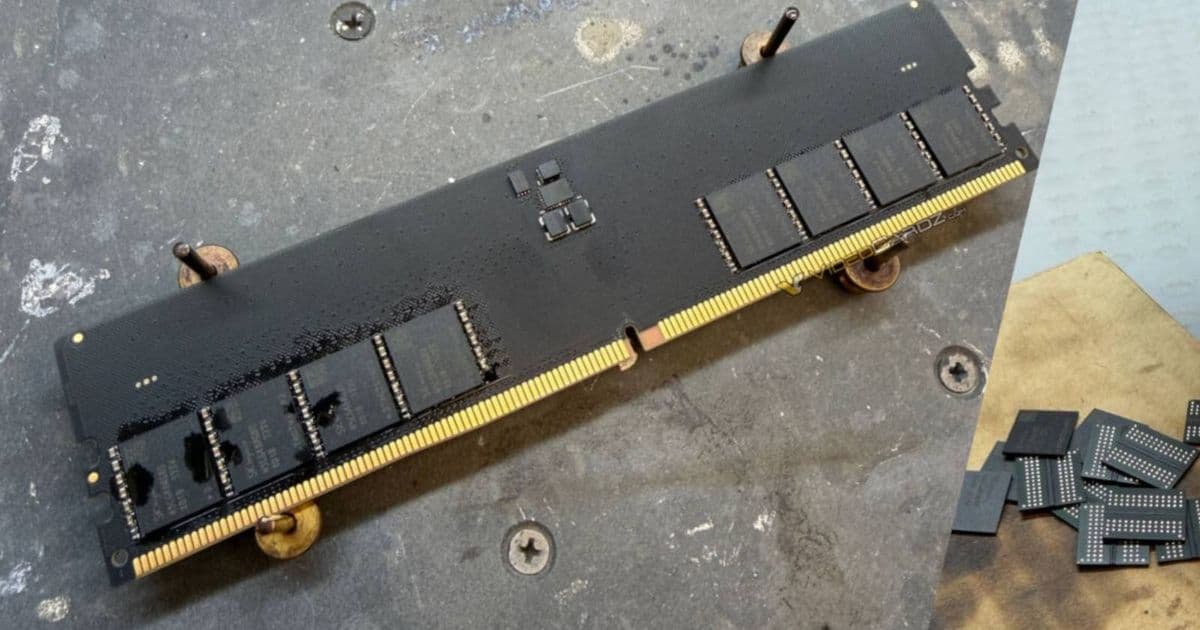
Tech enthusiasts are creating custom desktop RAM modules using laptop components and specialized firmware to combat DDR5 price surges, trading complexity for significant cost savings.
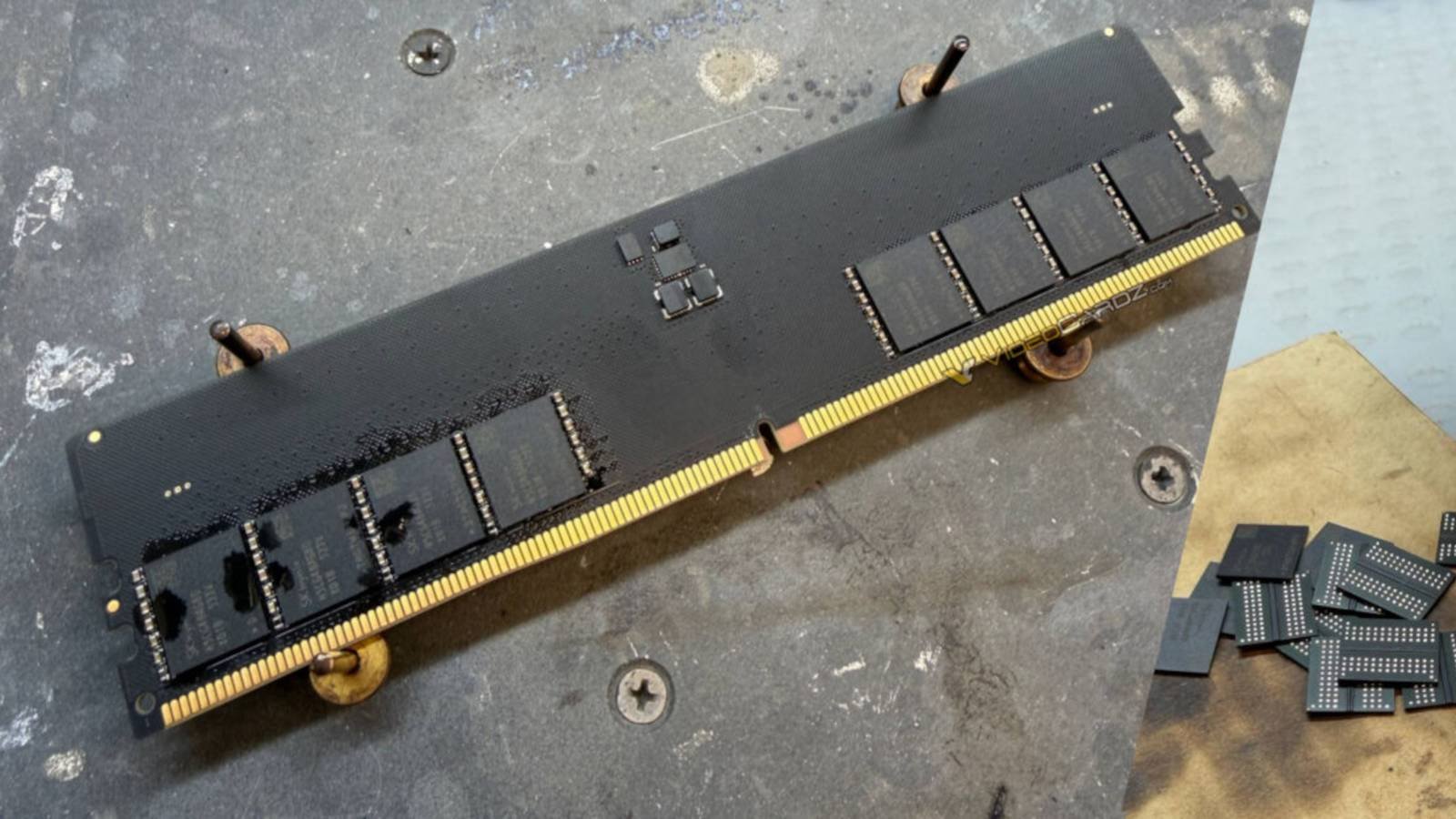
The relentless climb in RAM prices has pushed hardware enthusiasts toward unconventional solutions. Across forums like Reddit's r/hardware and tech communities, users are sharing detailed guides on constructing desktop-compatible memory modules using laptop SO-DIMM components. This trend represents both a protest against inflated prices and a testament to hardware ingenuity.
Engineering Against Economics
At the core of these DIY projects lies a repurposing process requiring specialized tools and technical expertise:
- Component Harvesting: Two 16GB DDR5 SO-DIMM modules (designed for laptops) are desoldered from their original boards
- PCB Reconstruction: Modules are reflow-soldered onto custom-designed desktop PCB layouts
- Firmware Adaptation: Programmers flash modified SPD (Serial Presence Detect) firmware to trick motherboards into recognizing the reconfigured modules
- Thermal Management: Custom heatsinks are added to manage temperatures during sustained operation
Russian modder VIK-on documented a successful build achieving 32GB DDR5 capacity at approximately $218 – roughly one-third of Russia's retail prices for equivalent modules. While cost-effective, these builds demand precision soldering equipment costing $150+, firmware debugging skills, and tolerance for potential instability.
Why This Matters Beyond Desktops
For mobile developers:
- Extended Device Lifespan: Rising RAM costs could prolong mobile hardware cycles, requiring longer support for older Android/iOS versions
- Cross-Platform Optimization: Developers may need deeper memory management strategies for resource-intensive apps targeting both mobile and desktop
- Supply Chain Awareness: Component shortages often cascade – high desktop RAM prices indicate constraints affecting mobile SoC production
Practical Alternatives and Industry Response
While DIY approaches showcase technical prowess, most users opt for:
- SO-DIMM Adapters: Physical converters allowing laptop RAM usage in desktop slots (with bandwidth limitations)
- DDR4 Regression: Many builders revert to last-gen platforms where 32GB kits remain near $50
- Secondary Markets: Increased reliance on refurbished/used components
Memory manufacturers acknowledge the crisis differently. Micron recently cited exiting the DIY market as a move that would "help consumers," while Samsung and SK Hynix continue prioritizing server and mobile segments. Industry analysts project price corrections by late 2026 as new fabrication plants come online.
These DIY efforts highlight how component economics influence development ecosystems. Though impractical for most users, they demonstrate community resilience against supply chain disruptions – a reality mobile developers navigate daily when supporting diverse hardware configurations across iOS and Android platforms.
Comments
Please log in or register to join the discussion