GNU Hurd 64-bit support is now ready on Guix, with SMP support coming soon, though package availability remains limited at under 2% of the total.
The GNU Hurd microkernel operating system has reached a significant milestone with the announcement that 64-bit support is now ready on the GNU Guix distribution. This development marks a major step forward for the Hurd project, which has long been overshadowed by Linux in the GNU ecosystem.
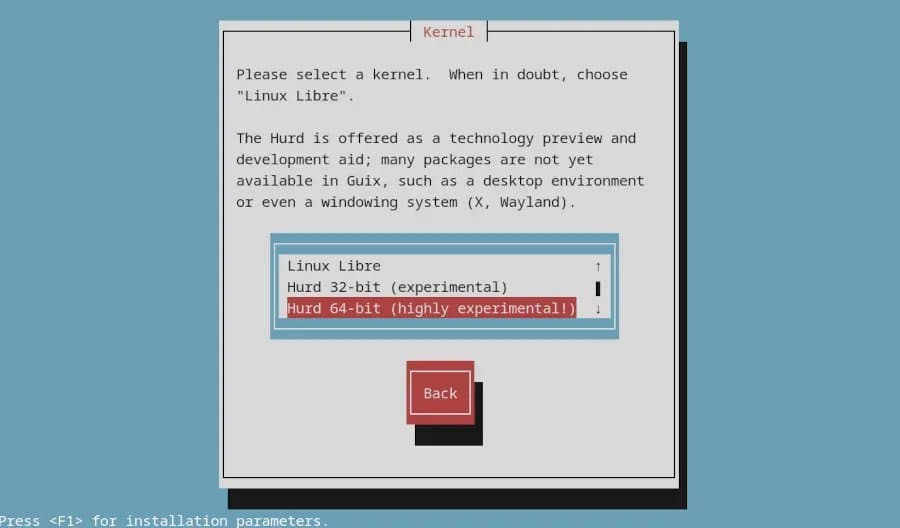
According to the GNU Guix developer blog, the headline "The 64-bit Hurd is Here!" signals that users can now try out GNU Guix with Hurd on x86_64 architecture. The 64-bit Hurd is successfully booting, and there's now an installer option for Hurd on x86_64, making it more accessible to enthusiasts and developers interested in exploring alternative operating system architectures.
However, the progress comes with important caveats. The package availability for GNU Guix/Hurd remains extremely limited, with only about 1.7% of packages available for the 32-bit version and 0.9% for the 64-bit version. These percentages continue to fluctuate and grow, albeit slowly. The developers note that these numbers might grow faster with community contributions, but the current state means that GNU Guix/Hurd lacks many essential packages and services, including Xorg for graphical desktop environments.
Beyond the 64-bit support, the GNU Guix team has been working on various improvements to the Hurd system over the past year and a half. The installer has received numerous fixes, making the installation process more reliable. The developers have also been addressing various bugs and compatibility issues throughout the system.
Looking ahead, the next major milestone is Symmetric Multi-Processing (SMP) support, which would allow Hurd to take advantage of multiple processor cores and threads. The developers are optimistic about this feature, stating that "so most probably we'll have 64-bit multiprocessing real soon now!" However, they note that new bootstrap binaries will be required to implement this functionality.
For those interested in trying out GNU Guix/Hurd, the developers emphasize that while the future looks exciting, users should be aware of the current limitations. The system is primarily suitable for developers, researchers, and enthusiasts who want to explore alternative operating system architectures or contribute to the Hurd project's development.
The progress on GNU Hurd demonstrates the ongoing commitment of the free software community to maintaining diverse computing options, even as Linux has become the dominant Unix-like operating system. While Hurd may never achieve the widespread adoption of Linux, its continued development provides valuable insights into microkernel architecture and alternative approaches to operating system design.
For more information about GNU Hurd and GNU Guix, you can visit the official GNU Hurd page and the GNU Guix website.
Comments
Please log in or register to join the discussion