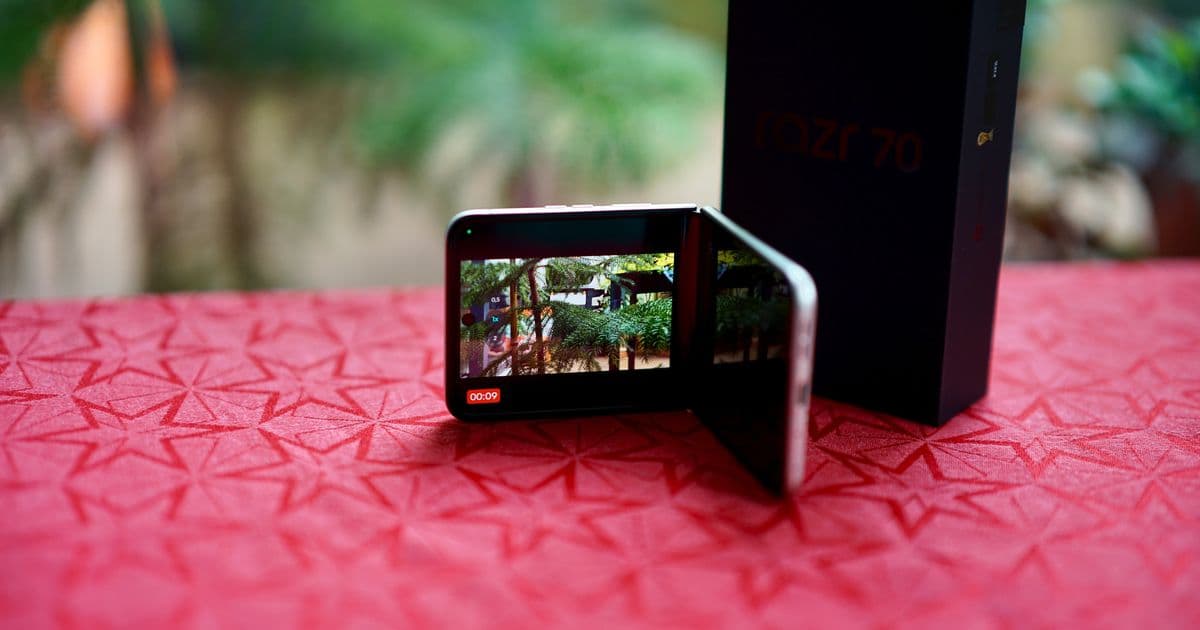
The Razr 70’s 50 MP main sensor looks good on paper but loses detail and dynamic range when pushed, making it adequate for casual snaps but unsuitable for demanding photography.
Motorola Razr 70 camera falls short of flagship sharpness
What’s new
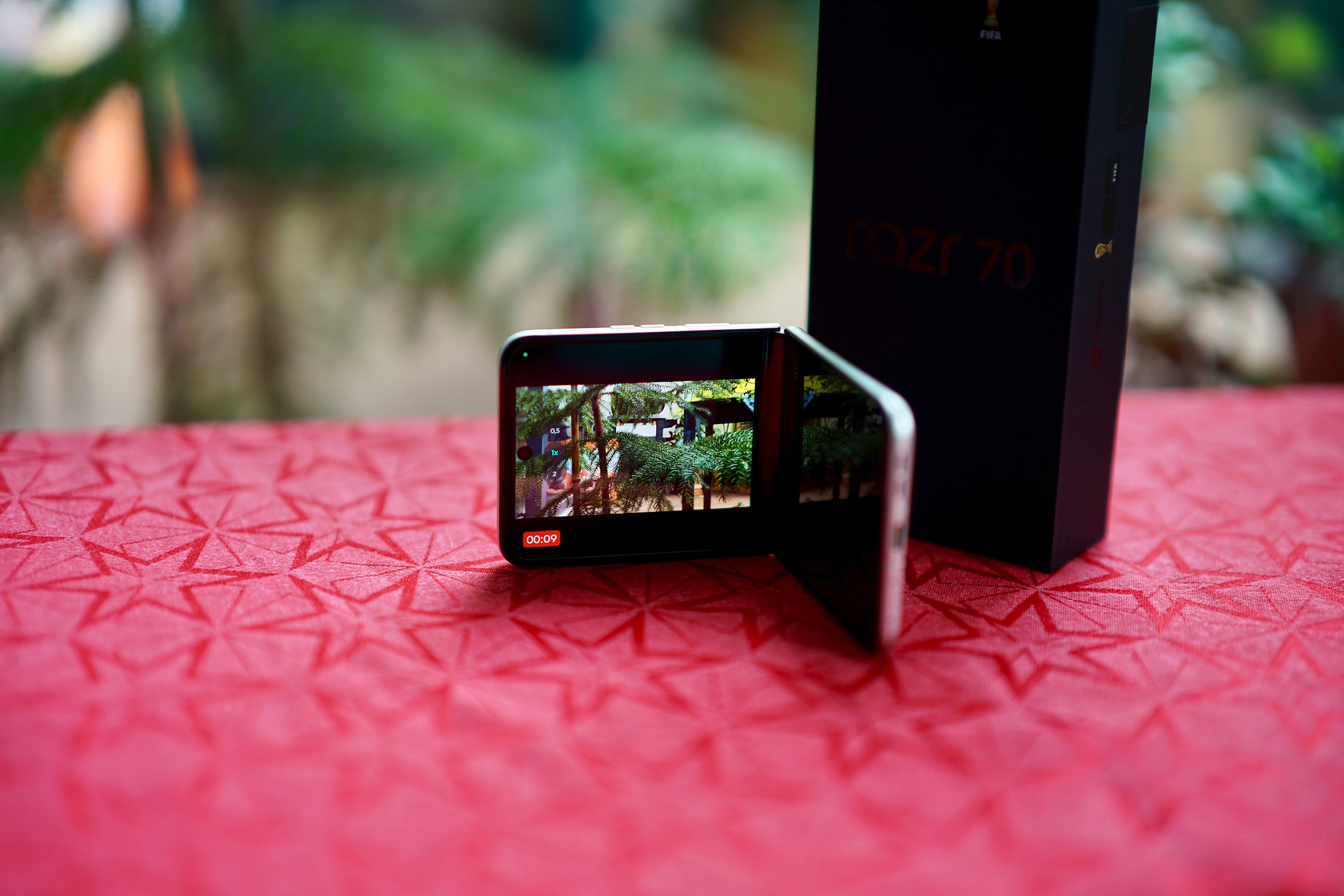
The 2026 Razr 70 keeps the classic clamshell silhouette while adding a 50‑megapixel wide‑angle sensor and a slightly larger f/1.8 aperture. Motorola also fitted a 32‑megapixel inner‑display camera that can double as a selfie shooter when the outer screen is folded back. On paper the specs look competitive with premium flagships that sit above the US $800 price point.
How it compares
| Feature | Razr 70 | Typical flagship (e.g., Galaxy S24, iPhone 15 Pro) |
|---|---|---|
| Main sensor | 50 MP, f/1.8, 27 mm equivalent | 48‑108 MP, f/1.5‑1.8, 24‑26 mm |
| Optical image stabilization | Yes (sensor‑shift) | Yes (sensor‑shift or lens‑shift) |
| Video | 4K @ 30 fps | 4K @ 60 fps, HDR10+ |
| Zoom | 3× digital | 3× optical, 10× digital |
Even though the pixel count is higher than many mid‑range phones, the test images reveal two recurring weaknesses:
- Detail loss at 50 MP – When examined at 100 % on a calibrated monitor, fine textures such as fabric weave or leaf veins appear slightly soft. The Bayer‑filter implementation and the relatively small sensor area mean each pixel gathers less light, which translates into reduced edge definition compared with a flagship that uses larger pixel‑size sensors.
- Dynamic range compression – Highlight roll‑off is noticeable in high‑contrast scenes. Shadows retain detail, but bright areas clip earlier than on devices that employ larger sensors and more aggressive HDR pipelines.
Zooming in 2× or printing a 10 × 15 cm (A4‑half) photo exposes the blur more clearly. By contrast, the same shot from a Galaxy S24 Ultra retains crispness and smoother tonal transitions.
Who it’s for
- Casual social‑media users – The Razr 70 captures decent selfies and quick vacation snaps. The inner 32‑MP camera works well for video calls, and the foldable form lets you frame shots without a tripod.
- Enthusiasts who value design over raw image quality – If you appreciate the nostalgic flip form factor and want a phone that can double as a compact camcorder, the Razr delivers a stable grip and landscape‑mode handling that many slab phones lack.
- Photographers who need print‑ready detail – Users who plan to enlarge images to A4 or larger, or who rely on high‑dynamic‑range capture for landscape or low‑light work, should look at higher‑priced flagships or dedicated compact cameras.
Verdict
The Razr 70’s 50 MP sensor provides a respectable baseline for everyday photography, but it does not reach the detail fidelity of premium flagships in the same price bracket. Its strength lies in the flexible clamshell design, which enables stable handheld shooting and easy selfie framing via the secondary display. Buyers who prioritize image sharpness and HDR performance should test the camera in person before committing, while those attracted by the unique form factor will find the trade‑off acceptable.
For the full test data, benchmark charts, and sample gallery, see the official Notebookcheck review.
Comments
Please log in or register to join the discussion