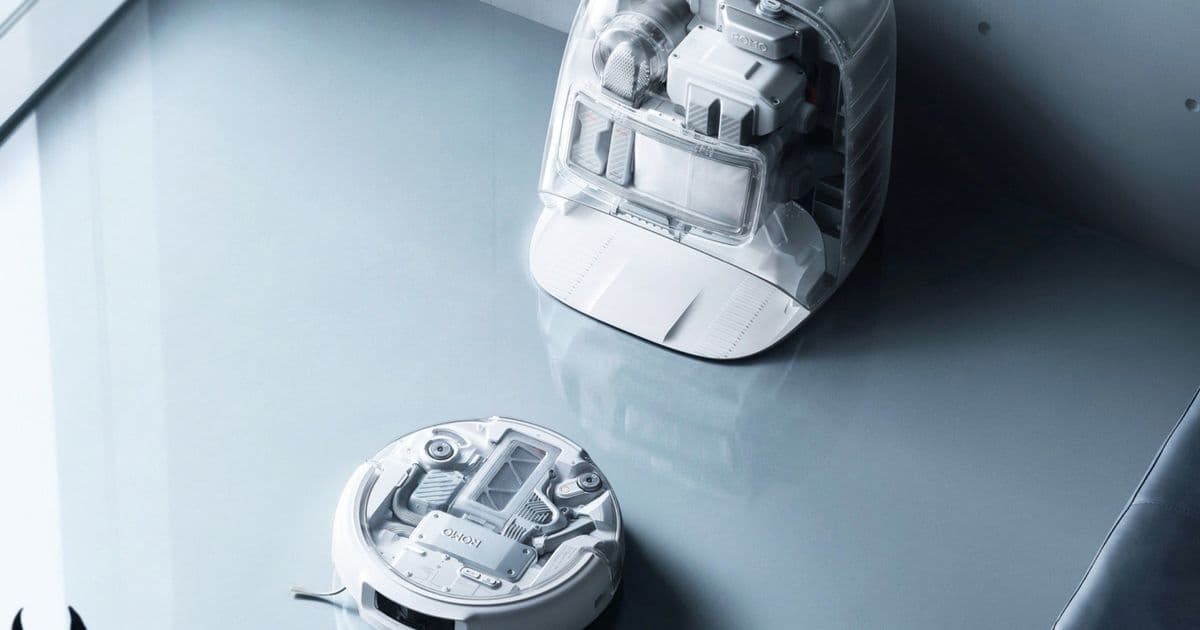
A security researcher accidentally gained control of 7,000 DJI Romo robot vacuums, accessing cameras, microphones, and home mapping data through a server authentication flaw.
A security researcher has uncovered a major vulnerability in DJI's first robot vacuum, the Romo, that exposed nearly 7,000 devices to unauthorized access worldwide. What began as a simple experiment to control the vacuum with a PlayStation 5 controller instead revealed a critical security flaw that granted access to live camera feeds, microphones, and home mapping data across thousands of units.
From Playful Experiment to Security Nightmare
The incident started innocently enough when Sammy Azdoufal wanted to control his DJI Romo using a PS5 controller for fun. He developed a custom remote-control application that was designed to communicate with DJI's servers to operate the robot vacuum. However, instead of limiting control to his own device, the server authentication system granted him access to all approximately 7,000 active DJI Romo units at the time.
This wasn't a case of sophisticated hacking or bypassing complex security measures. According to Azdoufal, the vulnerability existed because DJI's servers accepted authentication tokens from a single Romo unit as valid credentials for accessing data from all Romo devices. The simplicity of the exploit is perhaps the most alarming aspect of the breach.
Scope of the Security Breach
The unauthorized access went far beyond simple remote control of the vacuum's movement. The researcher gained the ability to:
- Access live video feeds from the robot's cameras
- Listen through the robot's microphones in real-time
- Speak through the robot's speakers
- Determine approximate locations using IP addresses
- Generate and view detailed room maps of affected homes
This level of access essentially provided a window into thousands of private homes, raising serious privacy concerns about smart home devices and their security implementations.
DJI's Response and Industry Implications
DJI addressed the security flaw on Wednesday, February 11, implementing fixes to prevent similar unauthorized access. The company's quick response demonstrates awareness of the severity of the issue, though questions remain about how such a fundamental security oversight made it into production.
The incident serves as a stark reminder of the privacy implications inherent in smart home devices. Robot vacuums, in particular, collect extensive data about home layouts, daily routines, and even conversations through their various sensors and connectivity features. When these devices lack proper security measures, the potential for privacy violations becomes significant.
Broader Context of Smart Home Security
This breach highlights ongoing concerns about the security practices of smart home device manufacturers. As more households adopt connected devices, the attack surface for potential privacy violations expands. The DJI Romo incident demonstrates how a single authentication flaw can compromise thousands of devices simultaneously, creating a massive privacy risk.
For consumers, this event underscores the importance of researching security practices before purchasing smart home devices. Questions about data encryption, authentication methods, and the manufacturer's track record on security updates should be central to purchasing decisions.
What This Means for DJI and the Industry
The Romo's transparent design may have been intended to showcase the robot's internal components, but the security breach has exposed something far more concerning about DJI's approach to device security. As a company primarily known for drones, DJI's entry into the robot vacuum market has been marred by this significant oversight.
For the broader smart home industry, this incident may prompt increased scrutiny of security practices and authentication protocols. Competitors and industry regulators will likely use this breach as a case study in what not to do when designing connected home devices.
The DJI Romo security breach serves as both a cautionary tale and a wake-up call for the smart home industry, demonstrating that even well-established technology companies can make critical security mistakes when expanding into new product categories.
Comments
Please log in or register to join the discussion