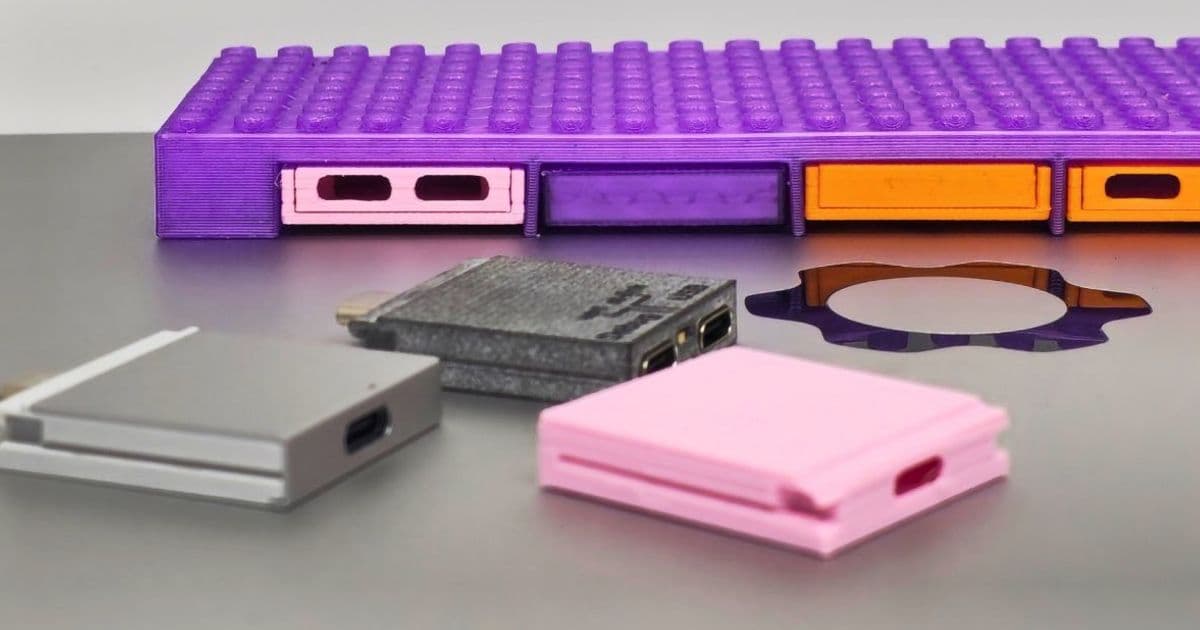
DockFrame's modular USB-C dock uses Framework's Expansion Card ecosystem to create a customizable, stackable docking station that eliminates the need to replace entire docks when port requirements change.
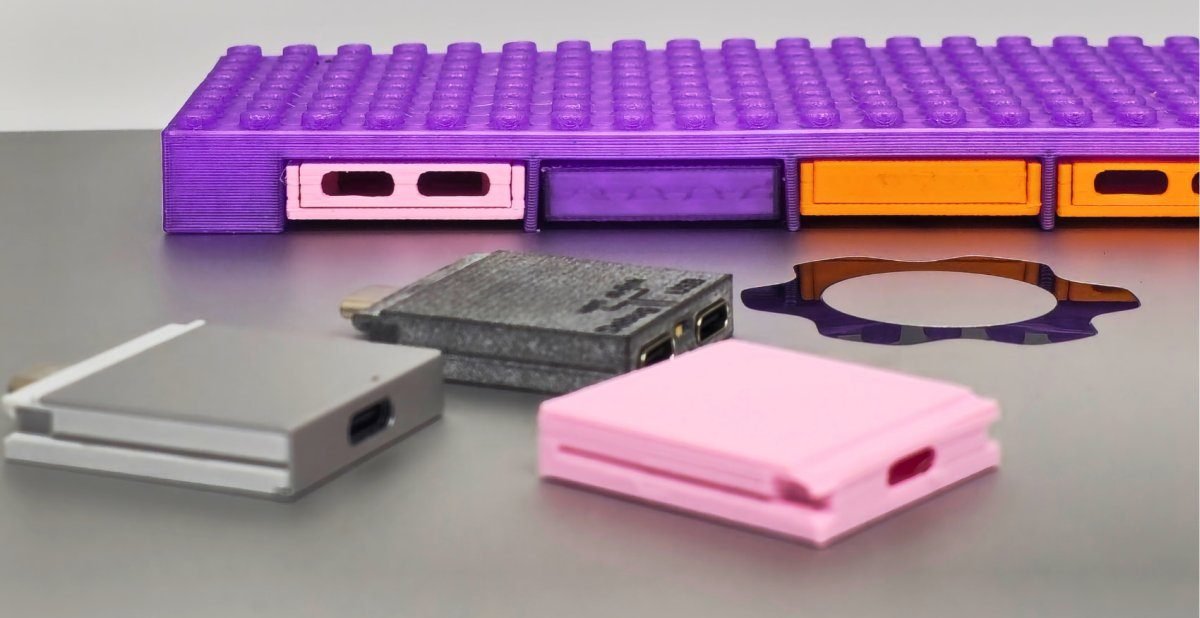
The proliferation of USB-C hubs and docking stations has simplified connectivity for modern laptops, but most solutions lock users into fixed port configurations. DockFrame challenges this limitation with its innovative modular design, built atop Framework's Expansion Card system. This approach enables users to customize and reconfigure ports on demand without replacing the entire dock—a significant evolution in peripheral design.
Framework laptops pioneered modularity in consumer devices, allowing users to replace core components like motherboards, batteries, and displays. Their Expansion Card system takes this further by enabling port-level customization. Each laptop features USB-C slots where users can install swappable modules—choosing between USB-A, HDMI, Ethernet, DisplayPort, storage expansions, or other specialized functions. There are currently about two dozen official modules, alongside third-party options.

DockFrame repurposes this ecosystem into a standalone docking station. Its chassis accommodates up to four Framework Expansion Cards simultaneously, organized in a horizontal layout. Early prototypes reveal a clean, rectangular enclosure with visible module slots and sturdy construction. What sets DockFrame apart is its extensibility: units can be stacked vertically using LEGO-compatible connectors. This allows combining multiple docks for expanded port capacity or attaching decorative elements.
Beyond standard Framework modules, DockFrame is developing proprietary cards that unlock new functionalities:
- Multimeter Card: Measures voltage/current for power diagnostics
- Power Supply Card: Integrates dedicated charging circuits
- Mini SSD Card Reader: Adds removable storage support
- Microcontroller Dev Card: Based on SEEED Studio's Xiao platform for hardware tinkering
Compatibility extends beyond Framework hardware. Since Expansion Cards communicate via USB-C, DockFrame works with any host device featuring a USB-C port. However, performance scales with host capabilities. Devices with USB4 or Thunderbolt support (40Gbps bandwidth) will fully utilize high-speed modules like SSDs, while basic USB 3.x hosts may experience bandwidth limitations during multi-device use.
The project remains in active development, with no pricing or launch date announced. Interested users can join the pre-order list on the DockFrame website to receive updates. As prototypes mature, DockFrame demonstrates how modular design philosophies—traditionally confined to laptops—can transform peripherals into upgradable, future-proof solutions.
For developers, DockFrame's open approach presents intriguing possibilities. The Expansion Card specification is publicly documented, enabling creation of custom modules. This could lead to specialized cards for industrial sensors, audio interfaces, or other niche applications—effectively turning the dock into a modular I/O platform. Such flexibility addresses a key pain point in professional workflows where connectivity needs frequently evolve.
As USB-C becomes ubiquitous, DockFrame's configurable architecture offers a sustainable alternative to disposable peripherals. Instead of discarding entire docks when port requirements change, users swap individual cards—reducing e-waste while maintaining investment value. This aligns with Framework's broader mission of combating planned obsolescence through modular engineering.
Comments
Please log in or register to join the discussion