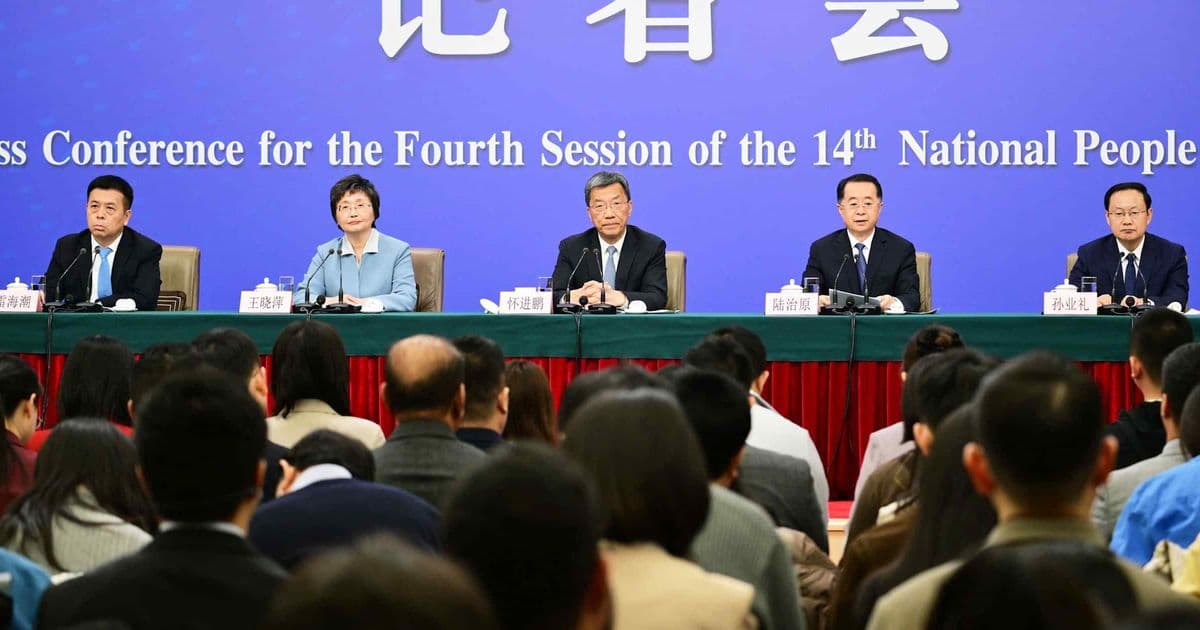
Chinese officials pledge to create more jobs as AI adoption raises employment concerns, with the government studying automation's effects on the workforce.
Chinese officials have pledged to create more job opportunities as the country's rapid adoption of artificial intelligence across society raises concerns about employment displacement. Speaking at the National People's Congress in Beijing, housing minister Ni Hong acknowledged that AI's impact on jobs is "profound" and requires careful study.
The government's focus on AI-driven automation comes as China seeks to maintain economic growth while transitioning to more technology-intensive industries. The country has been aggressively deploying AI in manufacturing, services, and government operations, but this technological push has created anxiety about potential job losses in traditional sectors.
Chinese cabinet ministers addressed these concerns during media briefings on the sidelines of the annual legislative session. While specific policy measures weren't detailed, officials emphasized the government's commitment to workforce development and job creation as AI continues to transform the labor market.
This employment concern emerges as China sets its economic growth target for 2026 at 4.5%-5%, the lowest in decades, reflecting the challenges of balancing technological advancement with social stability. The government appears to be walking a tightrope between pushing AI adoption for economic competitiveness and managing the human costs of automation.
The timing is significant as global economic tensions, including Middle East conflicts, add pressure to China's economic planning. The government's acknowledgment of AI's "profound" employment impact suggests policymakers are taking a more measured approach to technological transformation, recognizing that rapid automation could create social instability if not managed carefully.
China's experience mirrors global patterns where AI and automation are forcing governments to reconsider workforce policies, education systems, and social safety nets. The Chinese government's public discussion of these challenges indicates a growing awareness that technological progress must be accompanied by strategies to support displaced workers and create new employment opportunities in emerging sectors.
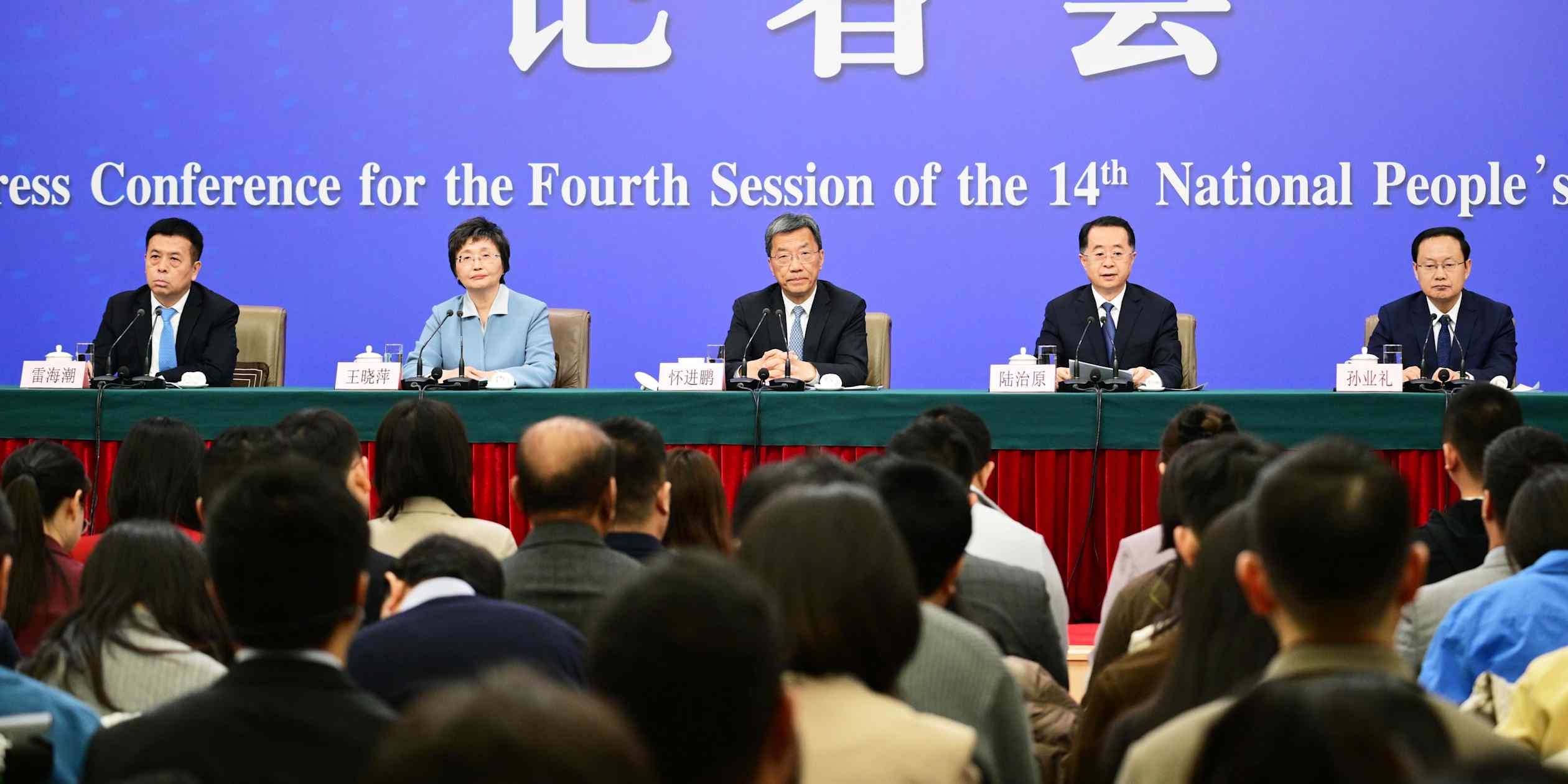
The employment question remains central to China's economic strategy as it seeks to maintain its position as a global manufacturing and technology leader while addressing domestic social concerns about job security in an increasingly automated economy.
Comments
Please log in or register to join the discussion