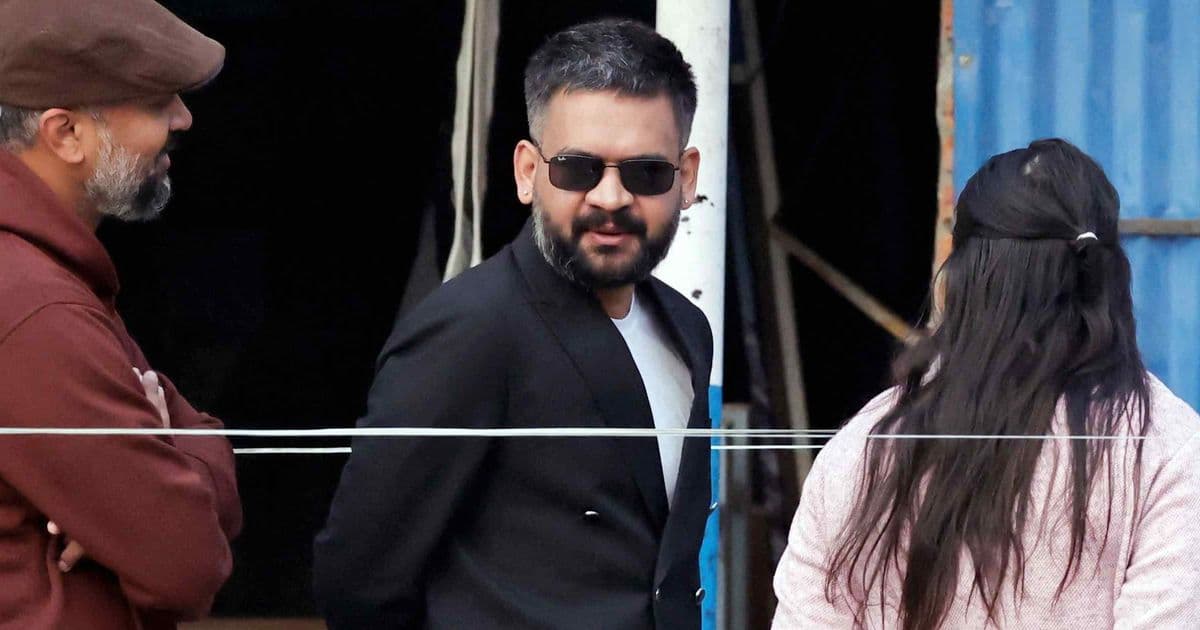
Rastriya Swatantra Party, founded just three years ago by former Kathmandu mayor Balendra Shah, has taken an early lead in Nepal's parliamentary election, signaling a dramatic shift in the country's political dynamics following last year's Gen Z protests.
A political newcomer founded just three years ago has taken an early lead in Nepal's parliamentary election, signaling a dramatic shift in the country's political dynamics following last year's deadly Gen Z protests.
The Rastriya Swatantra Party (RSP), led by former Kathmandu mayor Balendra Shah, a rapper-turned-politician, has emerged as the frontrunner in the election, according to preliminary results. The party's rise reflects voters' weariness with the political status quo and their appetite for change.
Shah, who gained prominence as a rapper before entering politics, became Kathmandu's mayor in 2022. His party's success in the parliamentary election represents a significant upset in Nepal's traditional political landscape, which has long been dominated by established parties.
The Context: Gen Z Protests and Political Upheaval
The election comes in the wake of last year's deadly Gen Z protests that shook Nepal's political establishment. These demonstrations, driven by young people demanding change, created a political opening that Shah's party has successfully exploited.
The protests highlighted deep-seated frustrations among Nepal's youth population, who have long felt marginalized by the country's traditional political parties. Shah's outsider status and his party's fresh approach have resonated strongly with this demographic.
What This Means for Nepal's Future
If the RSP maintains its lead, Nepal could be heading for a significant realignment of its political forces. The party's success would represent a break from the country's traditional party politics and could lead to new policy directions.
Shah's background as both a cultural figure and a municipal leader positions him uniquely to bridge different segments of Nepalese society. His party's platform, which emphasizes transparency and anti-corruption measures, has struck a chord with voters disillusioned by traditional politics.
The Broader Implications
The election results, if confirmed, would mark one of the most significant political shifts in Nepal in recent years. It demonstrates how quickly political landscapes can change when established parties fail to address the concerns of younger generations.
For Nepal's neighbors and international partners, the election results may signal a period of political uncertainty as the country potentially transitions to new leadership with different priorities and approaches to governance.
The success of a party founded just three years ago underscores the volatility of Nepal's political environment and the potential for rapid change when new political forces emerge to challenge the established order.
Looking Ahead
As final results are tallied, all eyes will be on whether the RSP can convert its early lead into a governing mandate. The coming weeks will be crucial in determining whether Nepal is indeed entering a new political era or if traditional parties can mount a comeback.
What's clear is that Nepal's voters have sent a powerful message about their desire for change, and the country's political establishment will need to respond to this new reality regardless of the final outcome.
Comments
Please log in or register to join the discussion