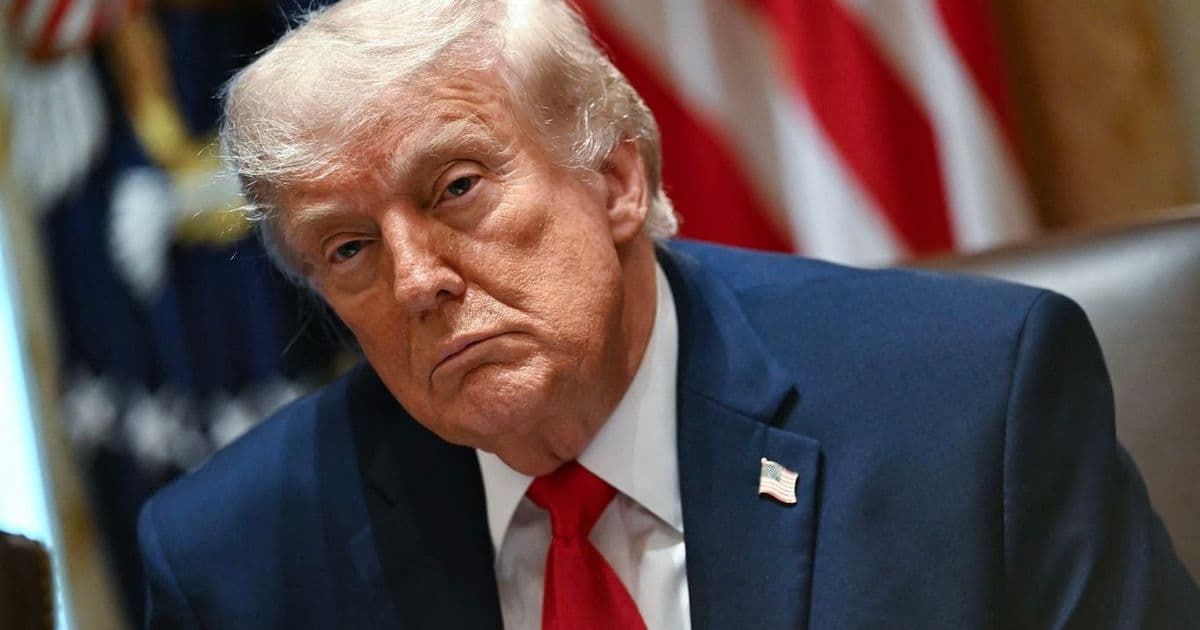
The Justice Department is investigating the Hoffman Foundation’s $2 million contribution to the legal effort supporting E. Jean Carroll’s defamation suit against former President Donald Trump, raising questions about nonprofit compliance, political financing rules, and the broader risk environment for donors in high‑profile litigation.
DOJ investigation into Hoffman Foundation’s $2 million grant
The U.S. Department of Justice announced on Thursday that it is examining whether the Hoffman Foundation, a 501(c)(3) charity founded by tech entrepreneur Mark Hoffman, complied with federal nonprofit regulations when it transferred $2 million to the legal fund backing E. Jean Carroll’s defamation lawsuit against former President Donald Trump. The inquiry focuses on whether the grant constituted a prohibited political activity, whether the foundation accurately reported the disbursement on its Form 990, and whether the funds were used in accordance with the organization’s stated charitable purpose.
Market context: heightened scrutiny of politically exposed nonprofits
The probe arrives amid a broader wave of enforcement actions targeting nonprofits that have become entangled in politically sensitive cases. In the past 12 months, the DOJ’s Tax Division has opened investigations into:
- A religious charity that funneled $5 million to a voter‑registration drive linked to a congressional candidate.
- A veterans’ organization accused of channeling donations to a political action committee.
- Several 501(c)(4) groups under review for alleged coordination with campaign committees.
These actions reflect the Justice Department’s renewed emphasis on the Political Activities Reporting Act (PARA) and the IRS’s rules on charitable purpose. The Treasury Department’s recent guidance, issued in February 2026, clarified that “substantial support of litigation that is primarily political in nature may be deemed a prohibited activity for 501(c)(3) entities.” Analysts at Edison Research estimate that compliance costs for mid‑size nonprofits could rise by 15‑20 % as they upgrade internal controls and reporting systems.
What it means for donors, litigants, and the nonprofit sector
1. Heightened due‑diligence for philanthropic donors
Donors who intend to support high‑profile lawsuits now face a risk of indirect exposure to federal investigations. Legal‑fund managers are likely to adopt stricter vetting processes, including:
- Verifying that the recipient organization’s charter permits political litigation.
- Requiring written assurances that funds will be used solely for legal expenses, not advocacy.
- Implementing escrow arrangements to isolate the money until the case’s political dimension is clarified.
2. Potential chilling effect on litigation financing
If the DOJ concludes that the Hoffman grant violated tax‑exempt rules, the foundation could face penalties up to $10 million or revocation of its tax‑exempt status. Such an outcome would send a clear signal to other philanthropic entities that financing politically charged lawsuits carries significant regulatory risk. A Brookings Institution study projects a 10‑12 % decline in private donations to litigation‑support nonprofits over the next two years.
3. Strategic recalibration for law firms handling public‑figure cases
Law firms representing plaintiffs in politically sensitive matters may need to reassess their funding structures. Some firms are already exploring “public‑interest litigation trusts”—separate legal entities that can receive donations without triggering nonprofit compliance issues. This model, pioneered by the Public Interest Law Center, allows donors to contribute to a trust that then contracts the firm for specific case work, insulating both parties from direct nonprofit‑political entanglements.
4. Broader implications for the nonprofit sector’s public‑policy role
The investigation underscores a tension between the traditional charitable mission of nonprofits and the growing expectation that they will take a stand on social‑justice issues. While many organizations argue that supporting victims of sexual assault aligns with a charitable purpose, regulators are drawing a line when the litigation targets a political figure.
Bottom line
The DOJ’s probe of the Hoffman Foundation highlights an emerging risk frontier for donors and nonprofits operating at the intersection of philanthropy and political litigation. As enforcement intensifies, stakeholders can expect tighter reporting requirements, new financing structures, and a possible slowdown in private funding for high‑profile defamation and civil rights cases. Organizations that adapt their compliance frameworks now will be better positioned to navigate the evolving regulatory landscape.
For further reading on nonprofit compliance, see the Treasury’s 2026 guidance on political activities and the IRS’s updated Form 990 instructions.
Comments
Please log in or register to join the discussion