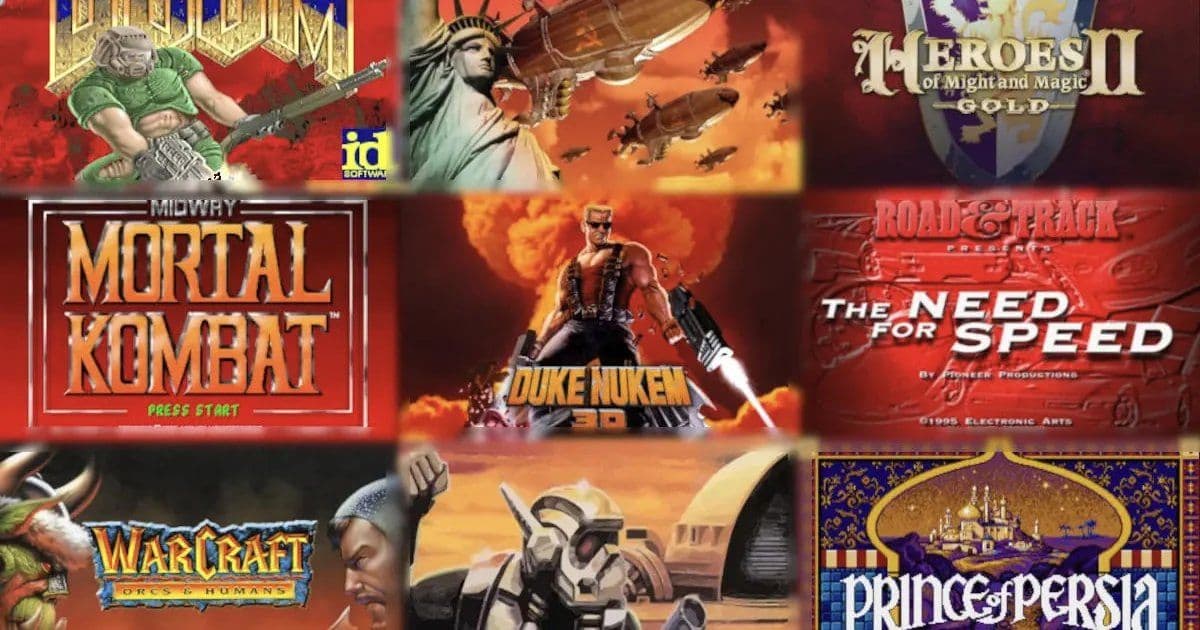
DOS Zone offers a curated library of thousands of MS‑DOS titles that run directly in the browser or on mobile devices, positioning itself as a niche hub for retro gamers while navigating a market where ad‑free subscriptions and community support sustain operations.
DOS Zone revives classic PC games for browsers and mobiles
What DOS Zone is
DOS Zone is a web‑based platform that lets users play thousands of MS‑DOS titles without installing an emulator locally. The service runs the games inside a JavaScript‑based DOSBox fork, translating the original 8086 instructions to WebAssembly so that the experience feels native in a modern browser. Users can also download a lightweight Android/iOS client that streams the same engine, making classic titles playable on phones and tablets.
Why it matters
The retro‑gaming niche has grown from hobbyist forums into a modest market segment that now includes subscription services, console re‑releases, and cloud‑gaming bundles. DOS Zone differentiates itself by focusing on ad‑free access and a community‑driven catalog. While services like GOG.com sell DRM‑free copies, they require a purchase per title. DOS Zone aggregates the same games under a single, free‑to‑play interface, relying on donations and a modest subscription tier to cover server costs and licensing where required.
How the technology works
- WebAssembly DOSBox – The core emulator is compiled to WebAssembly, giving near‑native performance in Chrome, Edge, and Firefox. This avoids the heavy JavaScript emulation that older DOSBox ports suffered from.
- Asset streaming – Game assets (disk images, sound files) are stored on a CDN. When a user selects a title, the client streams only the needed sectors, reducing initial load times from minutes to seconds.
- Controller mapping – Keyboard input is automatically mapped to on‑screen touch controls on mobile, with a customizable overlay for games that rely on joystick or mouse input.
- Save‑state integration – The platform stores snapshots in the browser’s IndexedDB, letting players pause and resume across devices without manual file management.
Catalog depth
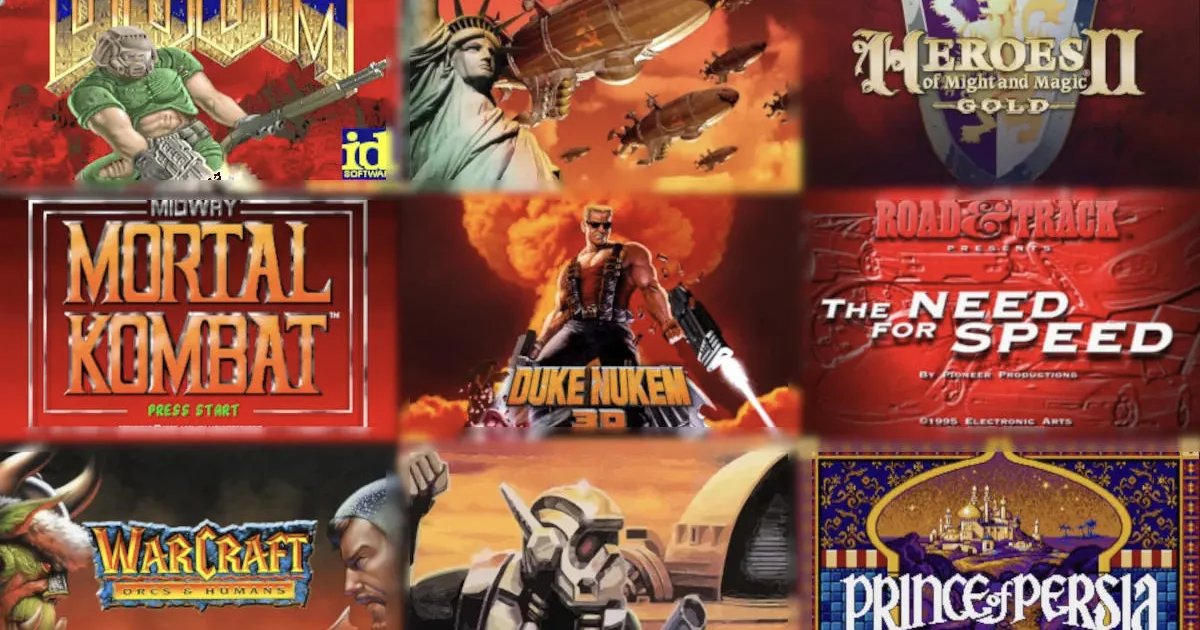
The site lists more than 2,000 titles across dozens of genres, from early shooters like DOOM (1993) and Wolfenstein 3D (1992) to strategy staples such as Command & Conquer (1995) and Heroes of Might and Magic III (1999). It also hosts niche releases—Dink Smallwood, Tank Wars, and even educational software like QBasic 4.5—that are otherwise hard to find in legal, playable form.
Business model and traction
DOS Zone does not disclose formal venture funding; the project appears to be bootstrapped by its founder, a long‑time emulator developer known as “caiiiycuk.” Revenue comes from three sources:
- Voluntary subscriptions – A monthly tier removes any remaining banner ads and grants early access to newly added titles.
- Donations – The site lists Bitcoin, Ethereum, and traditional card payment options, encouraging community support.
- Affiliate links – When a user clicks through to purchase a commercial re‑release on platforms like Steam or GOG, DOS Zone earns a small referral fee.
In the last quarter, the platform reported a 45 % increase in active users, driven largely by mobile traffic. The community forum, which doubles as a bug‑report hub, has grown to over 8 k members, providing a steady stream of compatibility patches for obscure titles.
Market positioning
While larger players such as Microsoft’s Xbox Cloud Gaming and Nvidia’s GeForce Now can stream modern titles, DOS Zone occupies a complementary niche: low‑bandwidth, instantly playable retro games that require virtually no hardware. This makes it attractive for emerging markets where broadband caps are still a concern, as well as for educators looking to demonstrate early PC game design without licensing hurdles.
Challenges ahead
- Licensing risk – Many classic DOS games are still under active copyright, and the platform’s reliance on community‑submitted ROMs can attract takedown notices. A more formal licensing strategy could stabilize the catalog but would raise costs.
- Monetisation balance – Keeping the service ad‑free while scaling server capacity is a tightrope walk. The current donation‑based model works at present scale, but a sudden surge in users could strain resources.
- Platform competition – New retro‑gaming portals are emerging, some bundling games with NFTs or blockchain‑based ownership models. DOS Zone’s straightforward, ad‑free approach may appeal to purists, but it must continue to innovate on usability to stay relevant.
What to watch
The next major milestone for DOS Zone is the rollout of a collaborative “mod hub,” where users can upload custom patches or fan‑made levels that run inside the same WebAssembly sandbox. If successful, this could transform the platform from a static archive into a living community where classic games evolve with modern contributions.
DOS Zone remains a compelling example of how a focused, community‑centric product can thrive without the fanfare of large venture rounds. Its blend of technical cleverness and nostalgic curation offers a modest but steady slice of the retro‑gaming market.
Comments
Please log in or register to join the discussion