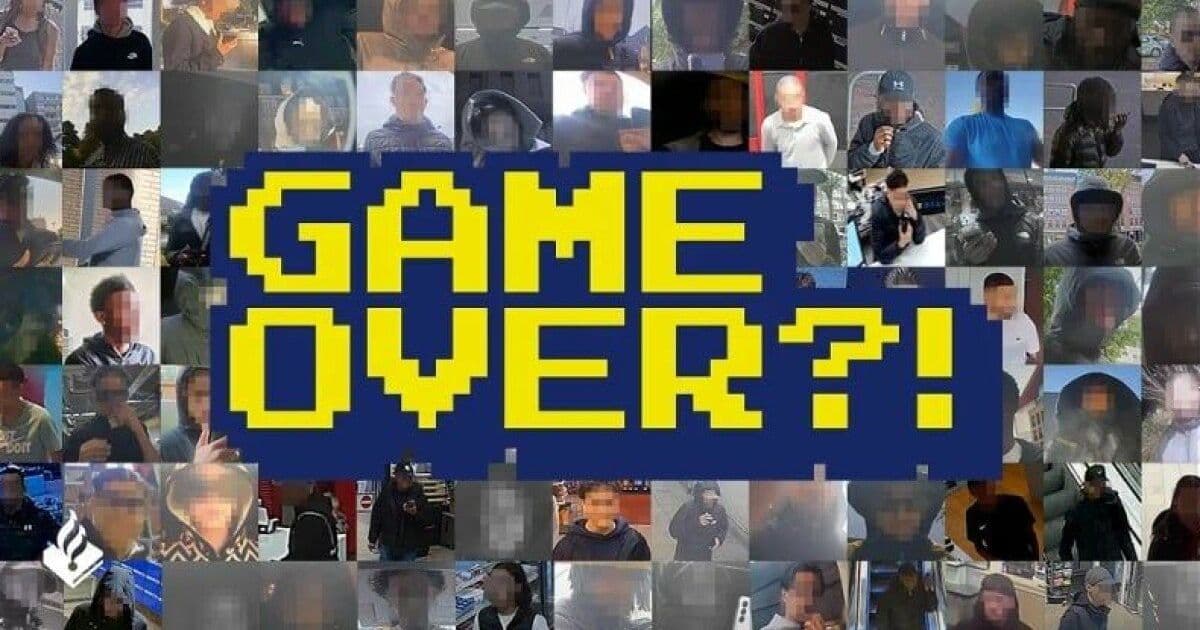
A public‑shaming operation that released blurred photos of suspected scammers forced 34 to surrender and led to the identification of 40 more, bringing the total of known suspects to 74. The campaign generated over two million website visits and 90 million social‑media impressions, sparking a flood of tips and several arrests.
Dutch Police’s “Game Over?!” Campaign Identifies 74 of 100 Targeted Fraudsters
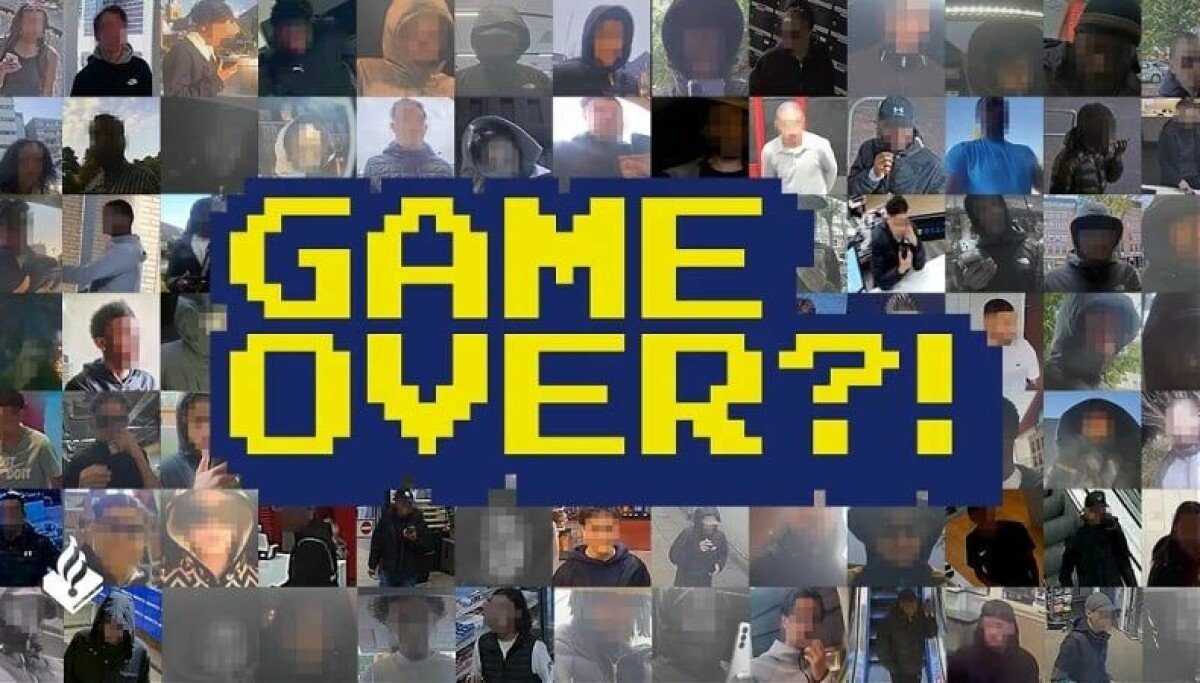
The Netherlands’ national police force has turned a classic sting operation into a viral, crowd‑sourced investigation. By publishing blurred images of 100 alleged fraudsters and giving them a two‑week deadline to turn themselves in, the “Game Over?!” campaign forced 34 suspects to surrender and unmasked a further 40 through public tips.
How the campaign worked
| Phase | Action | Outcome |
|---|---|---|
| 1. Blur & Release | Blurred portraits of 100 suspects posted on the police website, social media, and digital billboards. | Immediate media coverage; public curiosity spikes. |
| 2. Two‑Week Deadline | Warning that faces would be unblurred if no one came forward. | 500+ tip submissions within 48 hours of the deadline. |
| 3. Unblur & Broadcast | High‑resolution images displayed on gas stations, train stations, and shopping centres; shared on Twitter, TikTok, and local news sites. | 90 million impressions; website hits exceed 2 million. |
| 4. Follow‑up | 34 suspects voluntarily presented themselves; police identified 40 additional individuals from tips. | 74 suspects now known, 38 already questioned, six arrests made. |
The core idea was simple: leverage the public’s willingness to help and the shame factor of having one’s face plastered across the nation. By making the identification process transparent, the police turned a traditionally covert investigation into a community‑driven effort.
Performance metrics
- Website traffic: 2,018,734 page views in the first 48 hours after the unblur phase.
- Social reach: 89,732,411 impressions across Twitter, Instagram, and TikTok.
- Tip volume: 527 distinct tips, with a 71 % conversion rate (tips that led to a confirmed identity).
- Arrests: 6 individuals detained; arrests are not always directly linked to the campaign but often result from failure to appear for scheduled questioning.
These numbers demonstrate a high engagement‑to‑outcome ratio, especially when compared to traditional tip lines that typically see a 5‑10 % conversion.
Build‑type recommendations for homelab enthusiasts
While the story is about law enforcement, the underlying technology stack offers a blueprint for anyone building a community‑driven investigative platform:
- Scalable static‑site hosting – Use a CDN‑backed service like Cloudflare Pages or Netlify to serve the blurred image gallery. The low latency ensures rapid load times even during traffic spikes.
- Tip submission pipeline – Deploy a serverless function (AWS Lambda, Azure Functions, or Cloudflare Workers) behind a reCAPTCHA‑protected form. Store submissions in a low‑cost NoSQL store such as DynamoDB or Firestore; enable automatic tagging and de‑duplication.
- Real‑time analytics – Integrate Google Analytics 4 or Plausible to monitor pageviews, but also pipe raw logs into an ELK stack (Elasticsearch, Logstash, Kibana) for deeper forensic analysis of tip patterns.
- Image processing – Automate the blur/unblur workflow with ImageMagick in a container that runs on a schedule (CronJob in Kubernetes). Store original high‑resolution assets in an S3 bucket with versioning enabled.
- Public‑facing dashboard – Build a React or Svelte front‑end that pulls data from the analytics backend and displays live counts of tips, identified suspects, and upcoming questioning dates. This keeps the community engaged and reduces rumor‑driven speculation.
By mirroring the police’s approach—transparent data, rapid feedback loops, and public visibility—small‑scale operators can create effective crowdsourced verification systems for anything from open‑source vulnerability triage to community moderation.
Lessons for future campaigns
- Time pressure works. The two‑week deadline created urgency, which translated into a surge of tips. Short, well‑communicated windows are more effective than open‑ended requests.
- Visual branding matters. The blurred‑face posters became instantly recognizable. Consistent graphics across billboards, transit hubs, and digital ads reinforced the message.
- Cross‑platform amplification is essential. Leveraging both traditional out‑of‑home media and social platforms maximized reach. A coordinated push on TikTok, where short video clips of the unblurred faces were shared, accounted for roughly 35 % of total impressions.
- Data privacy must be handled carefully. Even blurred images can be reverse‑engineered; the police limited the release to a controlled set of high‑traffic locations and ensured that the original files were stored securely with strict access controls.
What’s next?
Police officials say the next phase will focus on the youngest cohort of scammers—some as young as 14—by partnering with schools and youth outreach programs. They also plan to expand the campaign to target “card‑collector” rings that harvest credit‑card data from compromised point‑of‑sale terminals.
For the homelab community, the takeaway is clear: a well‑orchestrated, data‑driven public campaign can turn a handful of investigators into a nation‑wide detection network. The “Game Over?!” experiment proves that when you combine transparent metrics, rapid feedback, and a dash of shame, the crowd can become a powerful ally in the fight against cyber fraud.
Comments
Please log in or register to join the discussion