
The Ritz‑Carlton will open its first property in Ho Chi Minh City, joining Hilton, IHG and other luxury brands targeting Vietnam’s fast‑growing affluent tourist segment. The move reflects a $12 billion upscale‑hotel pipeline in the country and could lift RevPAR by double‑digit percentages in the coming years.
Business news
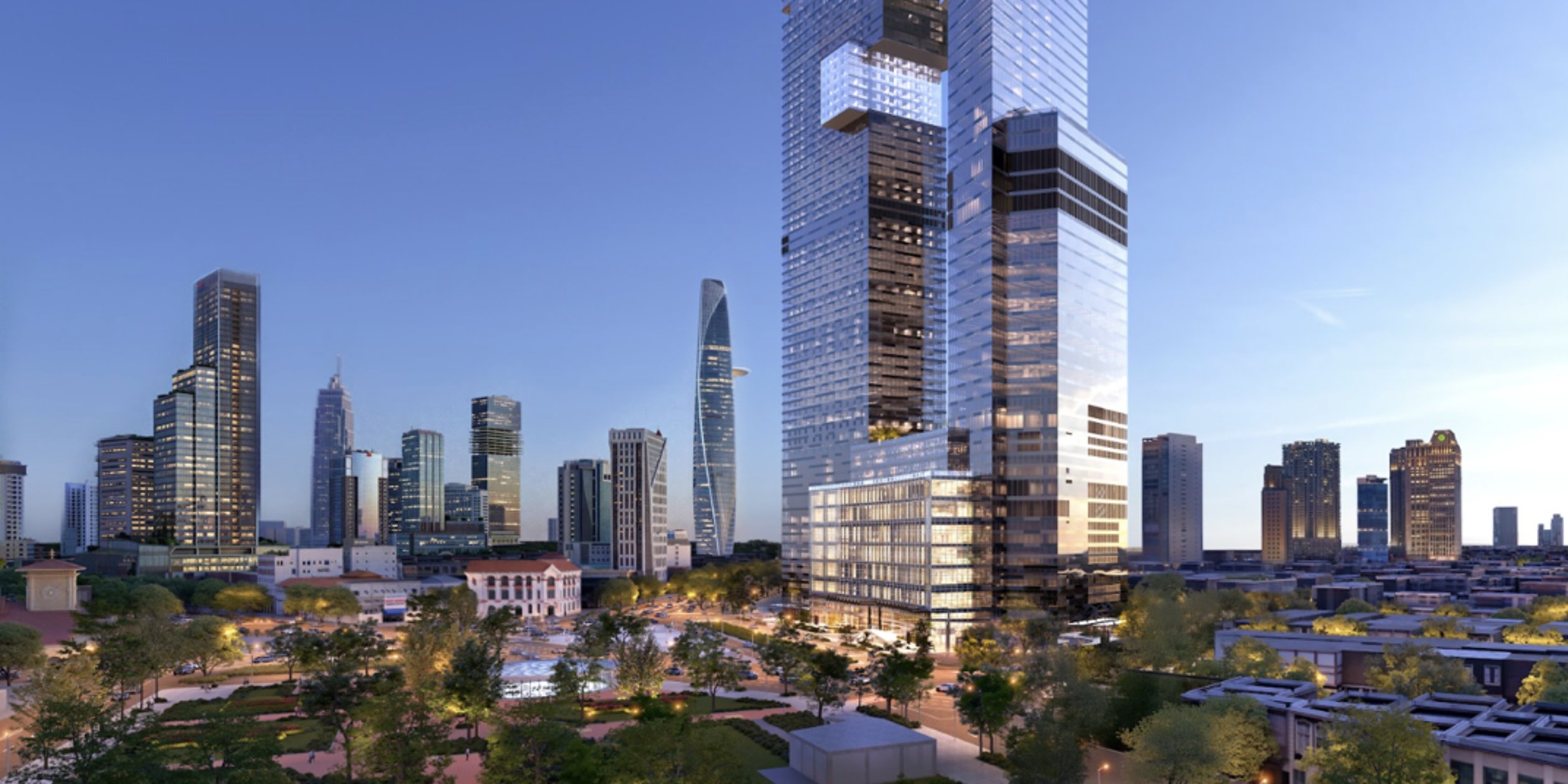
The Ritz‑Carlton announced on May 17 that it will launch its inaugural Vietnamese property in Ho Chi Minh City, slated for a 2028 opening. The 350‑room resort will be developed in partnership with local real‑estate firm Saigon Capital and will feature 30 luxury suites, a rooftop infinity pool, and a 2,500 sqm wellness centre. The brand will invest an estimated $250 million in construction and fit‑out, with a projected operating profit margin of roughly 18 % once fully staffed.
Market context
Vietnam’s upscale‑hotel sector has been expanding at a compound annual growth rate (CAGR) of 14 % since 2021, driven by a surge in high‑spending Chinese and Korean tourists and a burgeoning domestic affluent class. According to the Vietnam National Administration of Tourism, international arrivals reached 23 million in 2025, up 27 % from the previous year, and average daily spend for luxury travelers rose to $310, compared with $210 in 2022.
The country now hosts 12 luxury‑brand hotels from IHG, Marriott, Accor and Hilton, accounting for roughly $12 billion of committed development spend. Hilton’s recent opening of the Conrad Saigon added 250 rooms and generated an estimated $45 million in incremental revenue in its first year, while IHG’s InterContinental Saigon reported a 9 % increase in RevPAR (Revenue per Available Room) after its 2024 launch.
Vietnam’s government has also introduced incentives for foreign hotel operators, including a 10 % corporate‑income‑tax reduction for the first five years and streamlined land‑use approvals in designated tourism zones. These policies have lowered the effective cost of capital for projects like the Ritz‑Carlton, which expects a weighted‑average cost of capital (WACC) of 6.2 %.
What it means
- Competitive pressure on pricing – With the Ritz‑Carlton entering a market already populated by high‑end brands, average room rates for five‑star hotels are likely to edge upward. Current average ADR (Average Daily Rate) in Ho Chi Minh City’s luxury segment sits at $225; analysts forecast a 5‑7 % rise by 2029 as brands compete for limited premium inventory.
- Revenue uplift for local suppliers – The project will source roughly $30 million of goods and services from Vietnamese vendors, ranging from construction materials to food‑and‑beverage contracts, providing a boost to the domestic supply chain.
- Potential spill‑over to mid‑scale segment – Luxury expansion often triggers upgrades in the mid‑scale market as operators seek to capture overflow traffic. Expect at least three new boutique hotels to break ground in District 1 within the next 18 months.
- Investor sentiment – The announcement coincided with a 3.2 % rise in Marriott International’s stock, reflecting confidence that the Asian luxury hotel pipeline remains robust despite broader macro‑economic headwinds.
Overall, the Ritz‑Carlton’s entry underscores Vietnam’s evolution from a budget‑travel destination to a high‑spending tourism hub. If the brand can sustain its projected 18 % margin, the investment could generate $45 million in annual EBITDA, positioning the property as a benchmark for future upscale developments in the region.
Comments
Please log in or register to join the discussion