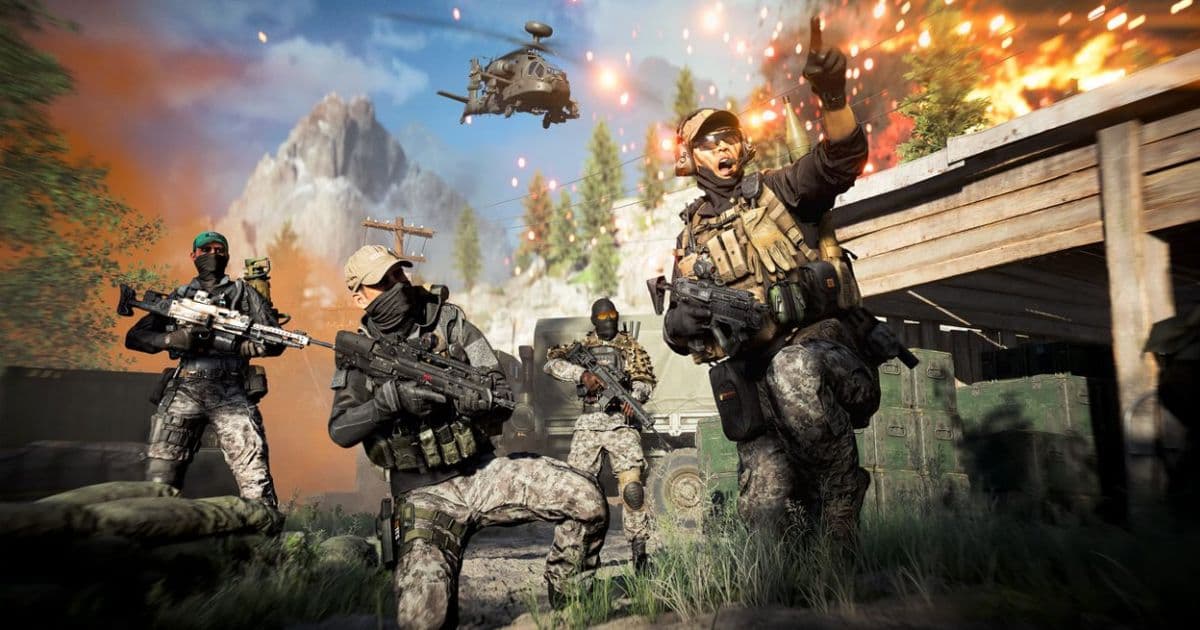
Electronic Arts cuts staff across Battlefield studios despite $4 billion in revenue, as player counts plummet 90% within six months of launch.
Electronic Arts has announced layoffs across multiple studios involved in the Battlefield franchise, including DICE, Criterion, Ripple Effect, and Motive, in what the company describes as an effort to "better align our teams around what matters most to our community." The cuts come despite Battlefield 6 achieving impressive sales figures, with an estimated 20 million copies sold by late 2025 at $70 each, generating approximately $1.4 billion in revenue.
However, the financial picture is more complex than initial sales suggest. Industry analysts note that EA typically generates 60-70% of its revenue from DLC and microtransactions rather than base game sales. Applying this revenue split to Battlefield 6's performance, total revenue could reach approximately $4 billion, though platform fees, regional pricing, and discounts would reduce this figure.
Development Costs and Market Expectations
The company reportedly invested $400 million in development costs alone, with marketing expenses potentially matching that figure for a AAA title of this scale. This brings total investment to nearly $800 million, creating significant pressure for sustained player engagement beyond the initial launch window.
EA's expectations for player retention appear to have been particularly ambitious. Internal documents cited by developers suggest the company aimed for 100 million players across an unspecified timeframe. This target seems disconnected from current market realities, where Fortnite maintains 30-60 million monthly players and Counter-Strike 2 hovers around 30 million.
The Player Retention Collapse
Battlefield 6's launch performance initially appeared stellar, with 7 million copies sold within the first three days and a peak concurrent player count of approximately 747,000 on Steam. However, the game experienced a catastrophic retention failure, losing over 90% of its player base within six months.
The decline is reflected in Steam's player rankings, where Battlefield 6 has fallen to #34, positioned behind games released years or even decades earlier, including CS:GO, Team Fortress 2, Stardew Valley, Geometry Dash, and Euro Truck Simulator 2. The recent launch of RedSec, Battlefield 6's free-to-play battle royale mode, has failed to significantly convert free players into paying customers.
Community Disappointment and Design Choices
Longtime Battlefield players, including series veterans since Battlefield 2, cite multiple factors contributing to the exodus. The open beta generated significant enthusiasm, with players praising the gunplay, movement mechanics, destructible environments, and technical performance. However, concerns emerged about the game's shift toward smaller maps, shorter time-to-kill, and faster-paced gameplay that many felt borrowed too heavily from the Call of Duty formula.
Post-launch developments exacerbated community frustration. Rather than introducing the large-scale vehicle combat and expansive maps that define the Battlefield experience, EA focused on battle royale modes, season passes, cosmetic skins, and microtransactions. The limited number of new maps, particularly the absence of truly large-scale battlefields, led to repetitive "meat-grinder" combat that many players found unsatisfying.
Technical issues compounded the problems. Patches intended to address community concerns often introduced new problems, particularly around netcode and vehicle balance. This pattern of fixes creating additional issues eroded player confidence in the development team's ability to deliver a stable, polished experience.
Industry Context and Future Implications
The layoffs at EA reflect a broader trend in the gaming industry, where companies struggle to balance initial sales success against long-term player retention and monetization. The case of Battlefield 6 demonstrates that even games achieving record-breaking launch sales can fail to meet corporate expectations if they cannot maintain active player bases.
For the affected studios, the cuts represent a significant setback. DICE, in particular, has been the primary developer of the Battlefield franchise since its inception. The restructuring suggests EA may be reconsidering its approach to the series, potentially exploring new development partnerships or design philosophies for future installments.
The situation also highlights the challenges facing traditional AAA game publishers in an increasingly competitive market. With free-to-play titles like Fortnite and Apex Legends dominating player attention, premium-priced games must deliver exceptional long-term value to justify their cost and maintain active communities.
The Battlefield 6 case study serves as a cautionary tale about the importance of aligning development priorities with community expectations and the risks of prioritizing short-term monetization over core gameplay experiences that built franchise loyalty in the first place.
Comments
Please log in or register to join the discussion