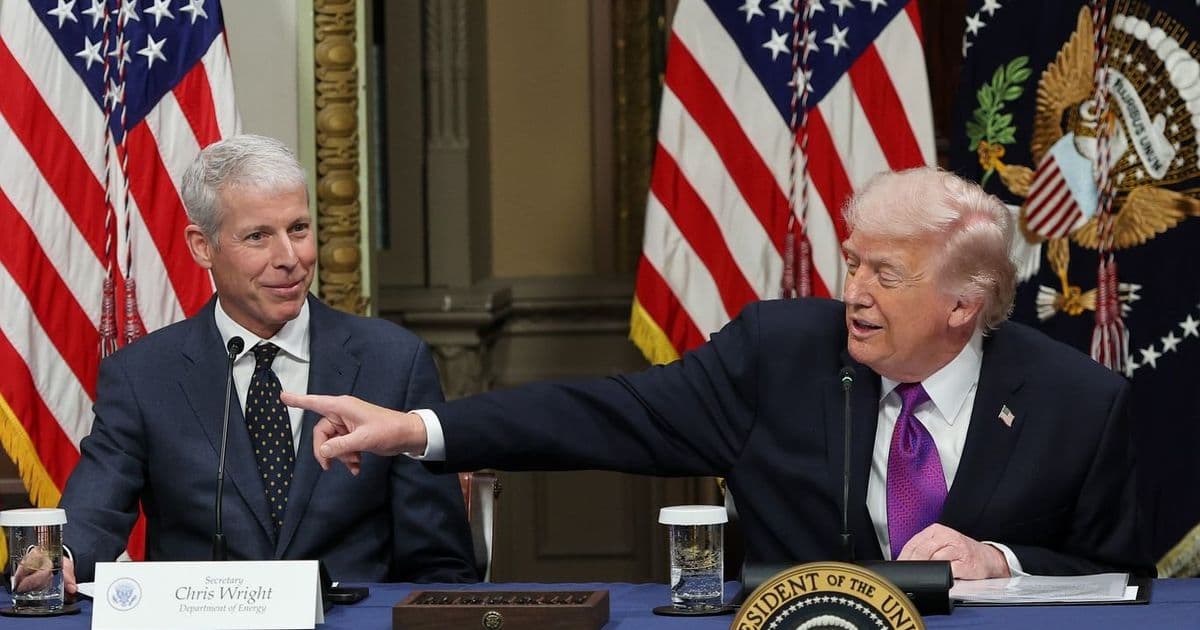
Energy Secretary Chris Wright said there are no guarantees that gas prices will fall in weeks, walking back President Trump's promise as Iran war concerns drive market uncertainty.
Energy Secretary Chris Wright said there are no guarantees that gas prices will fall in weeks, walking back President Trump's promise as Iran war concerns drive market uncertainty.
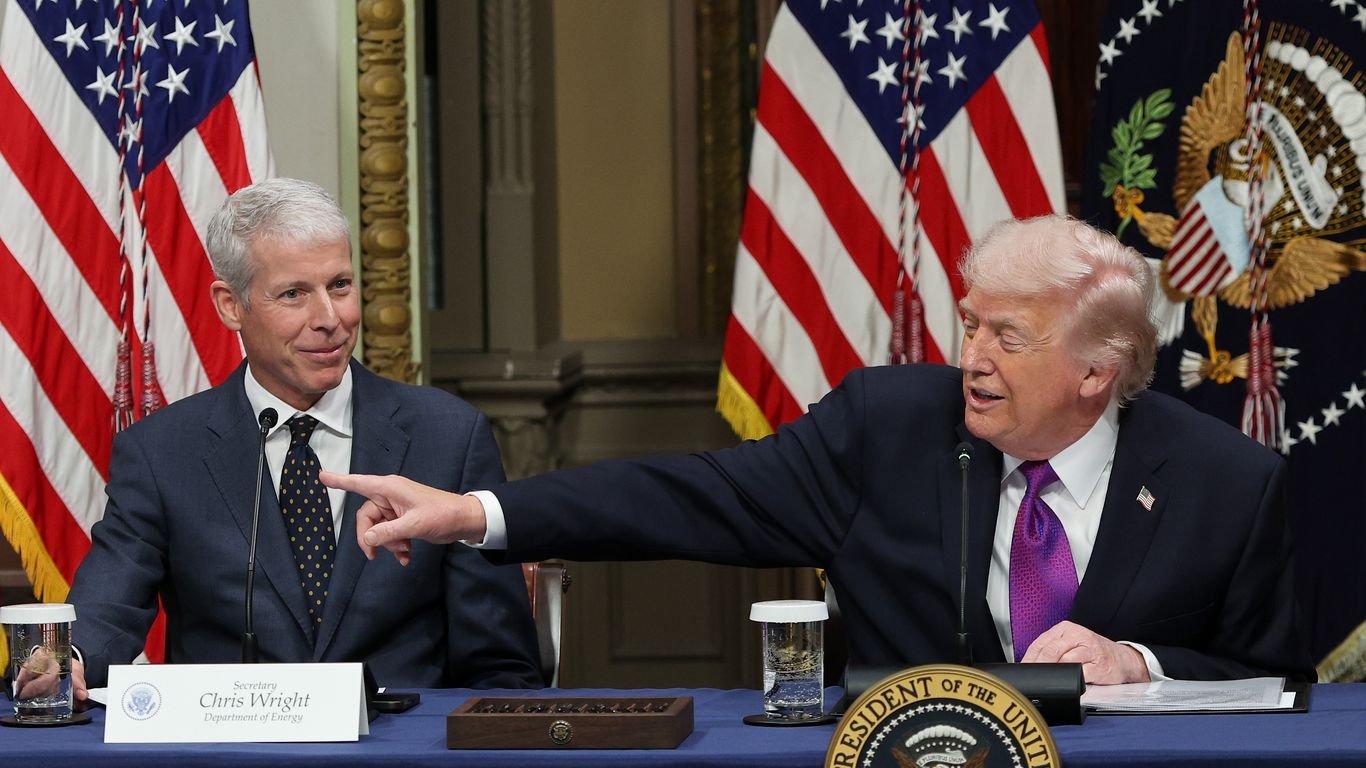
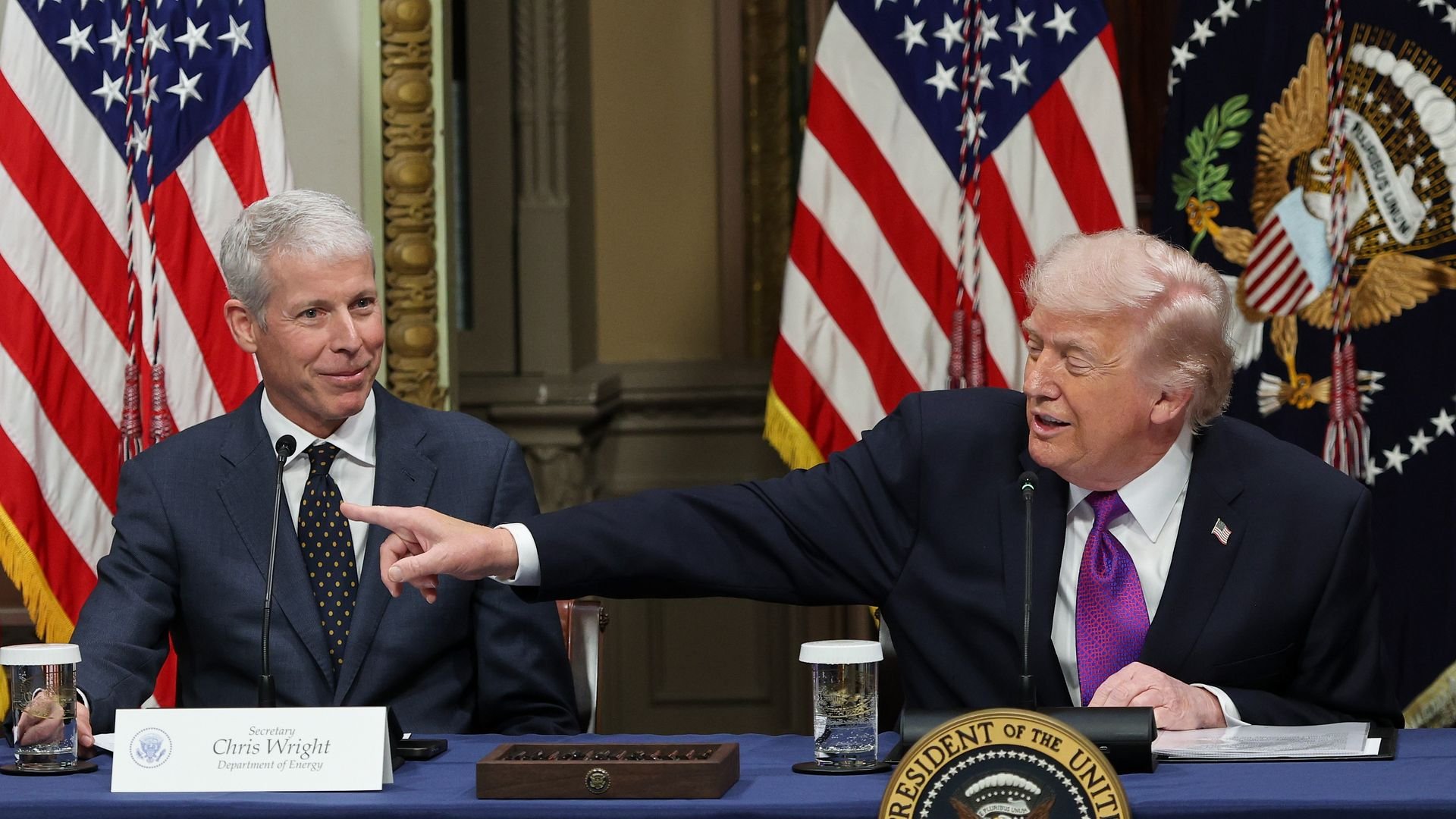
Wright's comments came during a White House roundtable meeting on March 4, where he appeared alongside President Trump. The energy secretary's tempered outlook contrasts sharply with Trump's recent vow to voters that gas prices would drop "within two weeks."
Market Volatility Amid Iran Conflict
The uncertainty stems from escalating tensions with Iran, which have created significant volatility in global oil markets. Iran is a major oil producer, and any military conflict could disrupt supply chains or trigger retaliatory actions that affect energy prices worldwide.
Energy analysts note that while the U.S. has increased domestic oil production in recent years, global oil prices remain heavily influenced by Middle East stability. The Strategic Petroleum Reserve, which the Biden administration tapped to help control prices, remains below optimal levels, limiting immediate intervention options.
Political Pressure on Energy Policy
Trump's promise of rapid price drops was seen as an attempt to address voter frustration over inflation, particularly at the pump where prices have remained elevated compared to pre-pandemic levels. However, Wright's more cautious stance suggests the administration recognizes the limited control it has over short-term price movements in a globally interconnected market.
Energy experts point out that factors beyond presidential control—including OPEC production decisions, refinery capacity, seasonal demand shifts, and geopolitical events—typically determine gas price trajectories over weeks rather than days.
Economic Implications
The disconnect between political promises and market realities highlights the challenges facing any administration in managing energy prices. While domestic production can influence long-term trends, immediate price relief often requires coordinated international action or significant changes in global supply-demand dynamics.
For consumers, the uncertainty means continued volatility at the pump, with prices potentially swinging based on developments in the Middle East rather than domestic policy changes. The administration's ability to deliver on energy cost promises may become a key economic indicator as midterm elections approach.
What Happens Next
Energy traders are closely watching for any signs of de-escalation with Iran, as even diplomatic progress could trigger price drops. Conversely, military action would likely send prices higher, regardless of domestic production levels. The coming weeks will test whether the administration can navigate between political promises and the complex realities of global energy markets.
Comments
Please log in or register to join the discussion