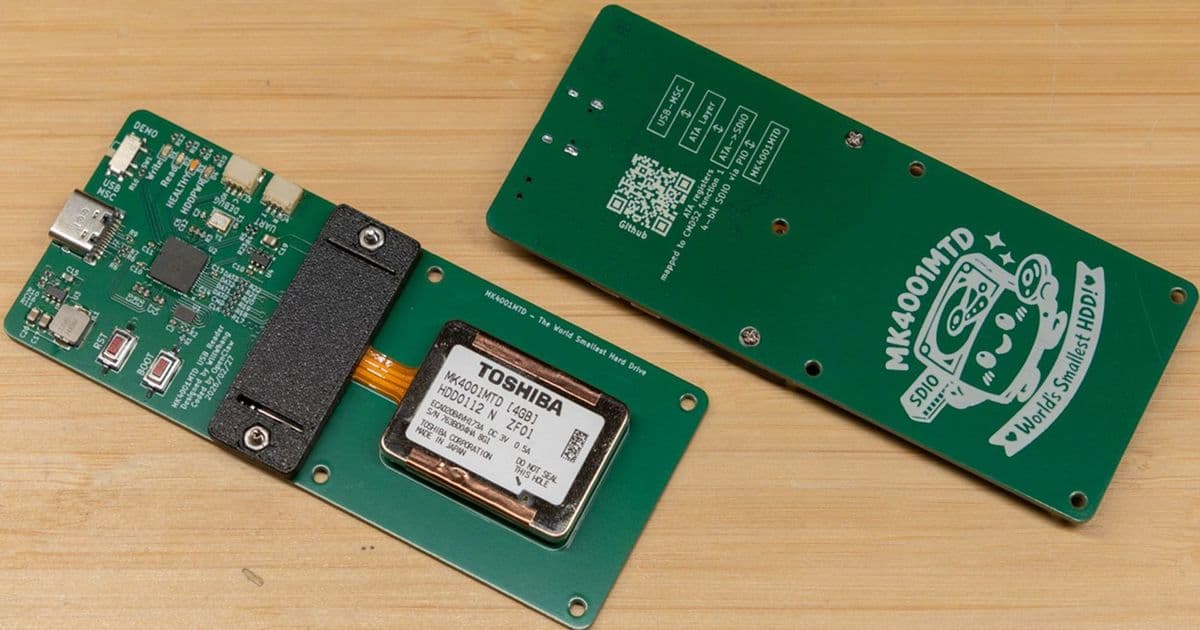
Maker Will Whang has successfully reverse engineered Toshiba's obsolete 0.85-inch MK4001MTD hard drives from 2004, creating an open source USB bridge that enables modern computers to access data from these tiny mechanical drives using AI assistance and an old Nokia N91 phone.
Maker Will Whang has designed and open sourced an MK4001MTD USB Bridge, a USB mass storage compatible device that facilitates the use of the world's smallest mechanical hard drives (obsolete for many years) with modern technology.
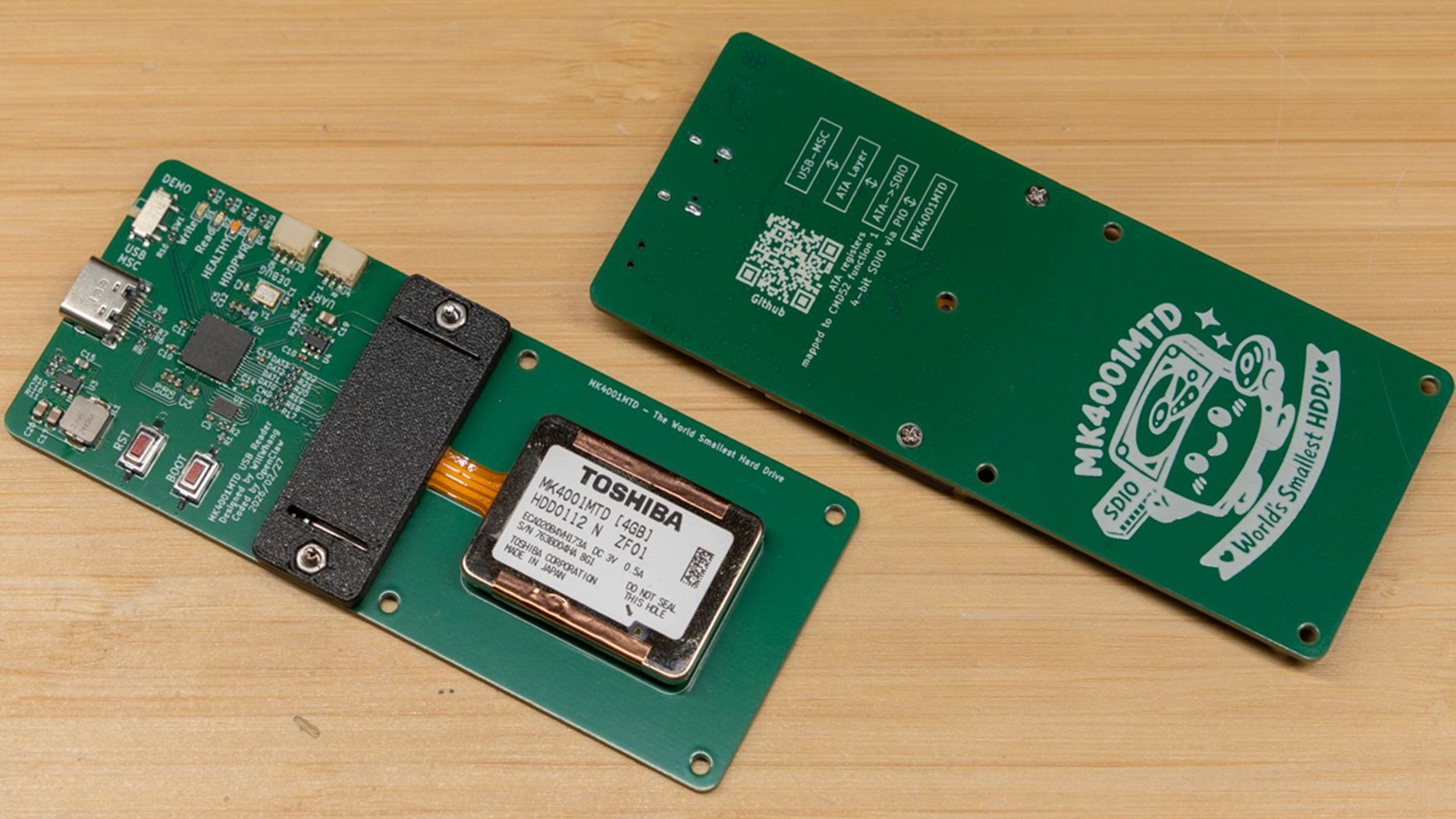
Toshiba launched its 0.85-inch MK4001MTD hard drives in 2004, offering an attractive-at-the-time balance of capacity and pricing. However, as they were sidelined quite rapidly due to the advance of flash memory tech, not many device designs adopted them. This has led to these tiny HDDs, and the data upon them, basically getting lost in time.
Whang explains that several prior attempts had been made at accessing the obsolete MK4001MTD drives, but they had fallen at various hurdles. So, the maker decided to start collecting working (and non-working) units to see if they could crack this particular old storage nut.
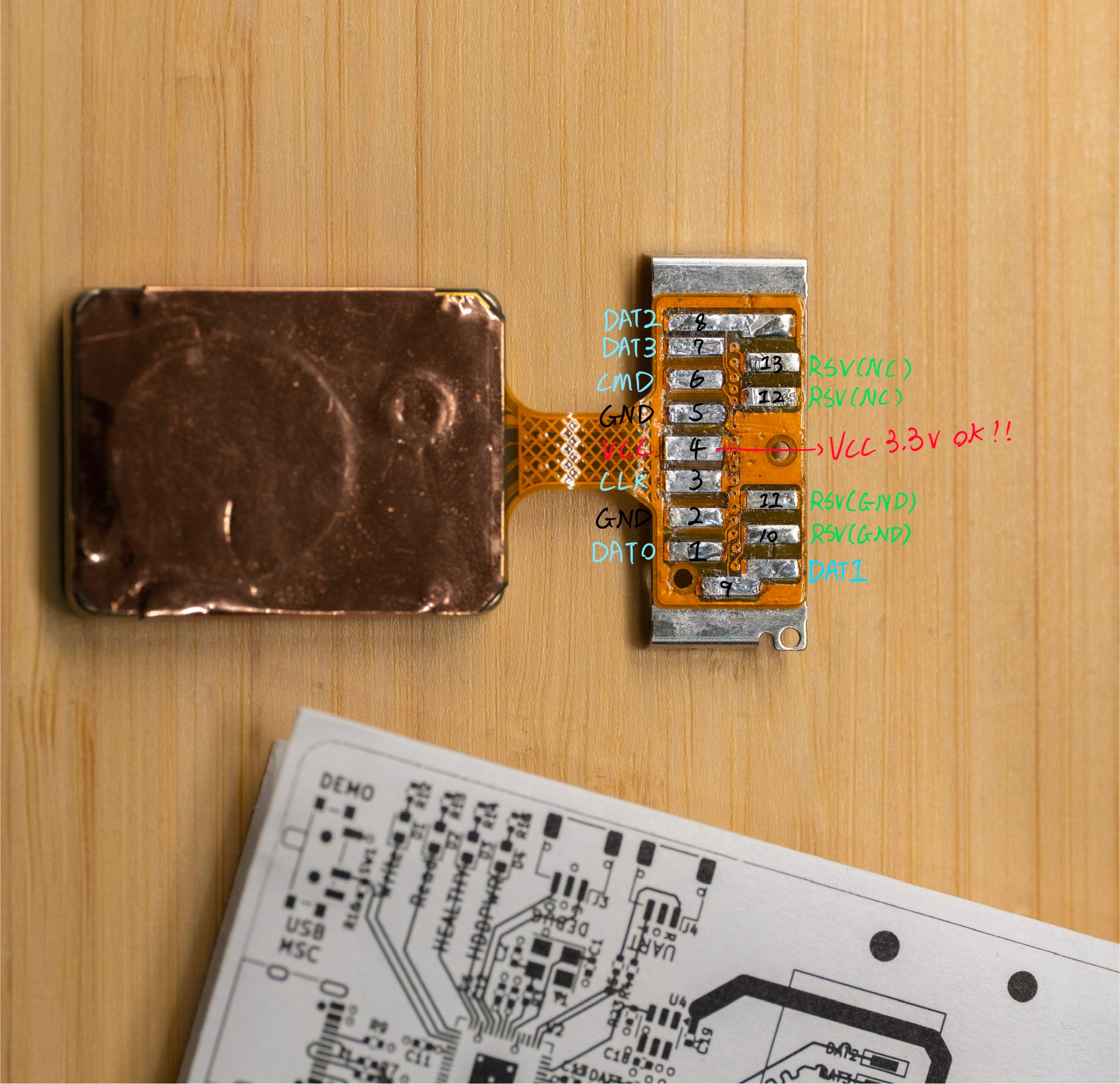
Starting with the basics, Whang compared drives and reader interface pads that looked similar to the MK4001MTD. Yes, it looks somewhat like an SD card with an MMC-style connector. So, various old/spare readers were used with the Toshiba drives to see what happened. Eventually, Whang decided to build their own reader based around the USB2240 flash media controller chip. It thus became possible to use a logic analyzer to see what signals were going where.
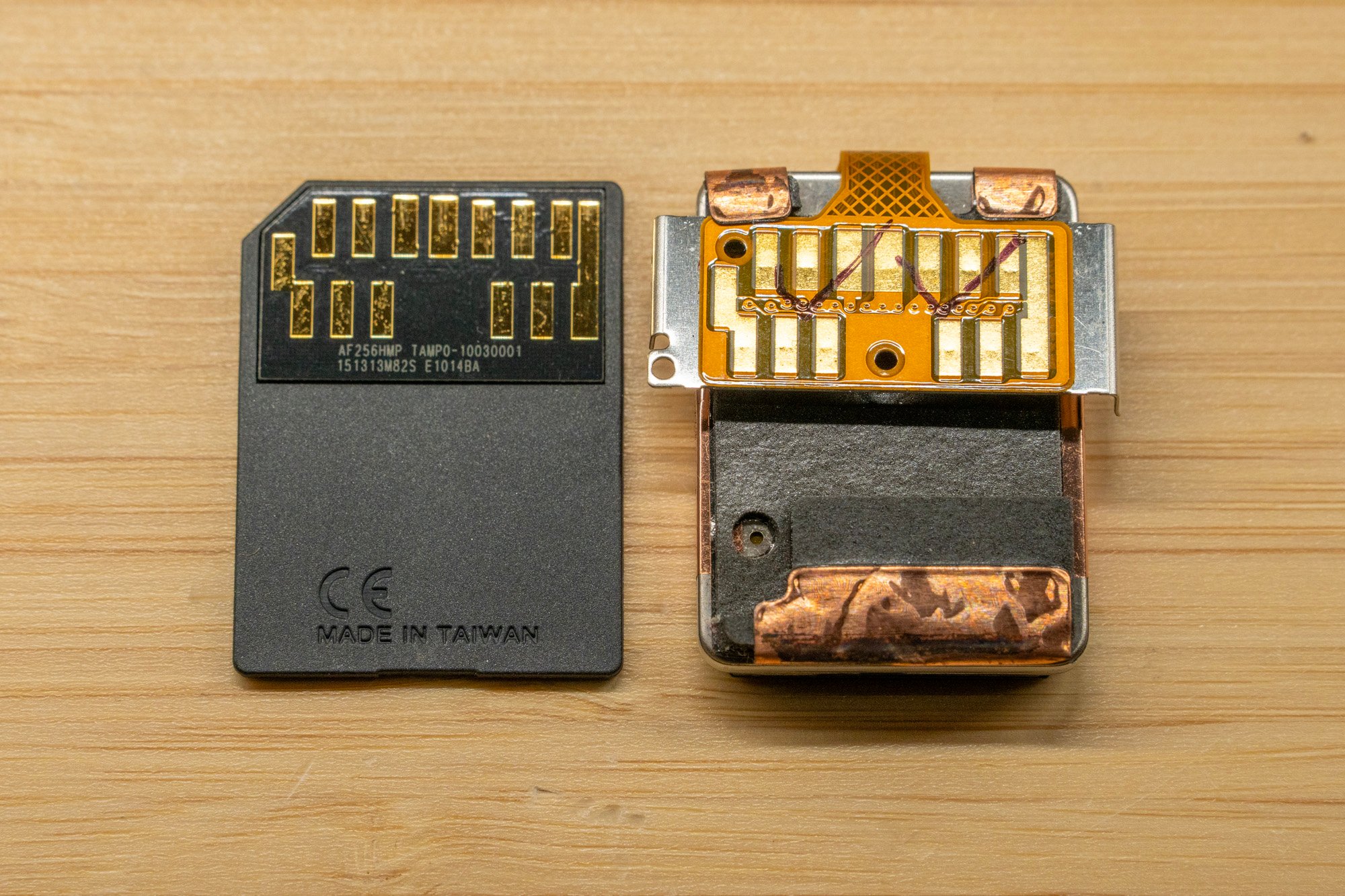
Unfortunately, it became clear that "this was not behaving like a normal SD or MMC storage device." So, more analysis would be necessary, which would extend all the way into a reverse engineering effort.
For this next stage of the project, Whang acquired a beaten-up but usable Nokia N91. This mobile device was one of the rare MK4001MTD adopters back in the mid-noughties.
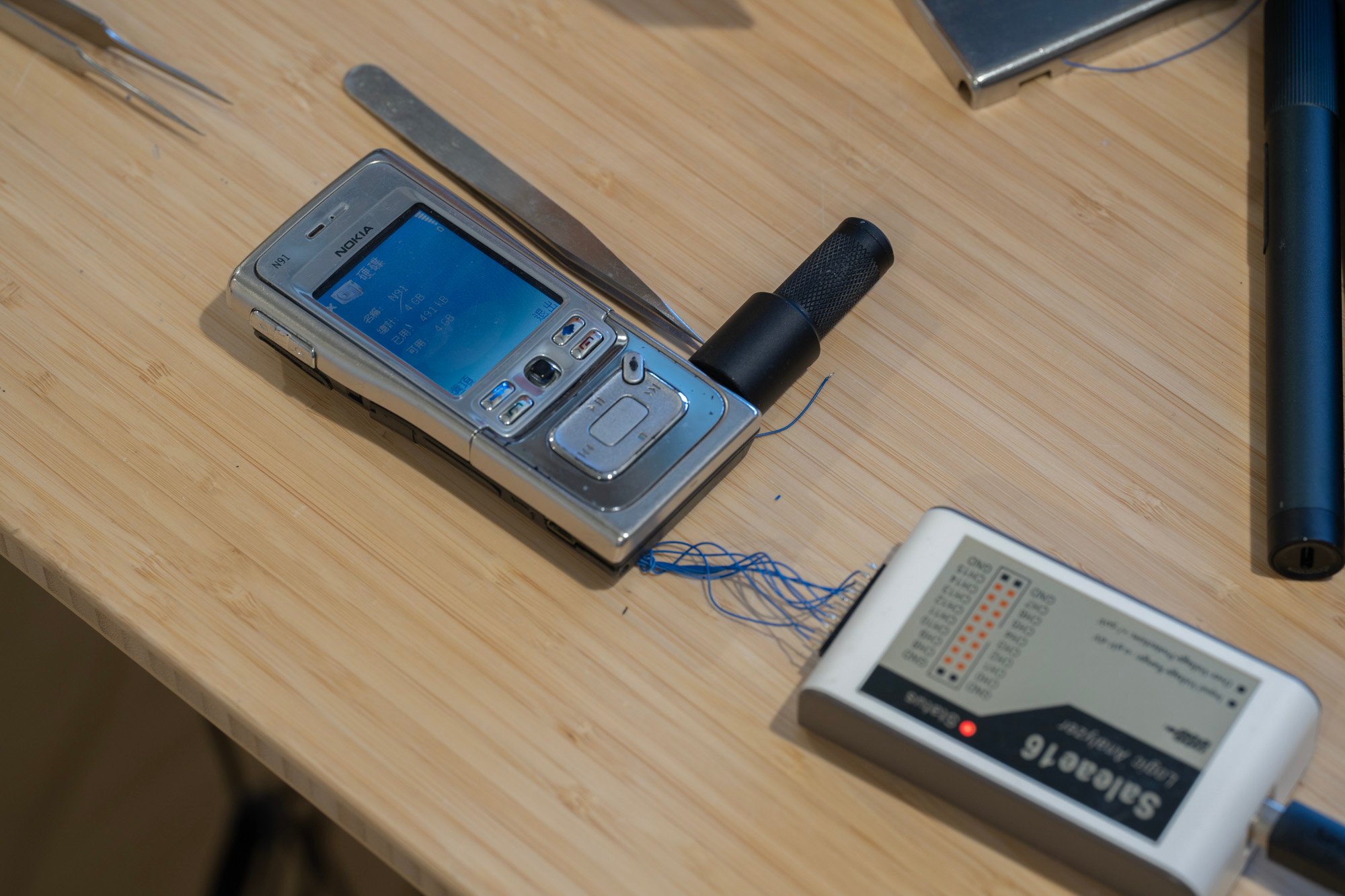
After getting the old phone to boot, so they could capture the traces, the purpose of each pad became much clearer. "The traces confirms this is a 4-bit SD/MMC interface and N91 service manual pin connection is indeed correct. The bus activity showed CMD52 traffic, which immediately pointed toward SDIO rather than a normal memory-card mode," says Whang. "Looking further into the command contents, it also appeared that ATA-style commands such as IDENTIFY DEVICE were being transported over that interface."
With the rough idea about what was going on, the maker decided to leverage OpenClaw to look after the software side of a USB reader solution. The AI agent was broadly successful, notes Whang, as it "successfully reverse-engineered the logic traces by building its own SDIO decoder, then wrote firmware for the Pico that exposes the drive as USB mass storage."
Encouraged by the OpenClaw success, Whang decided to turn to Oups 4.6 and later GPT-5.4 for an improved result, which worked with their breadboarded Pico and a hand-wired drive.
Now happy with the software, firmware, and interface design, Whang decided to fire up KiCad and design a custom PCB for a neat, professional-looking solution. It shares the design language of the maker's prior 1-inch MicroDrive project.
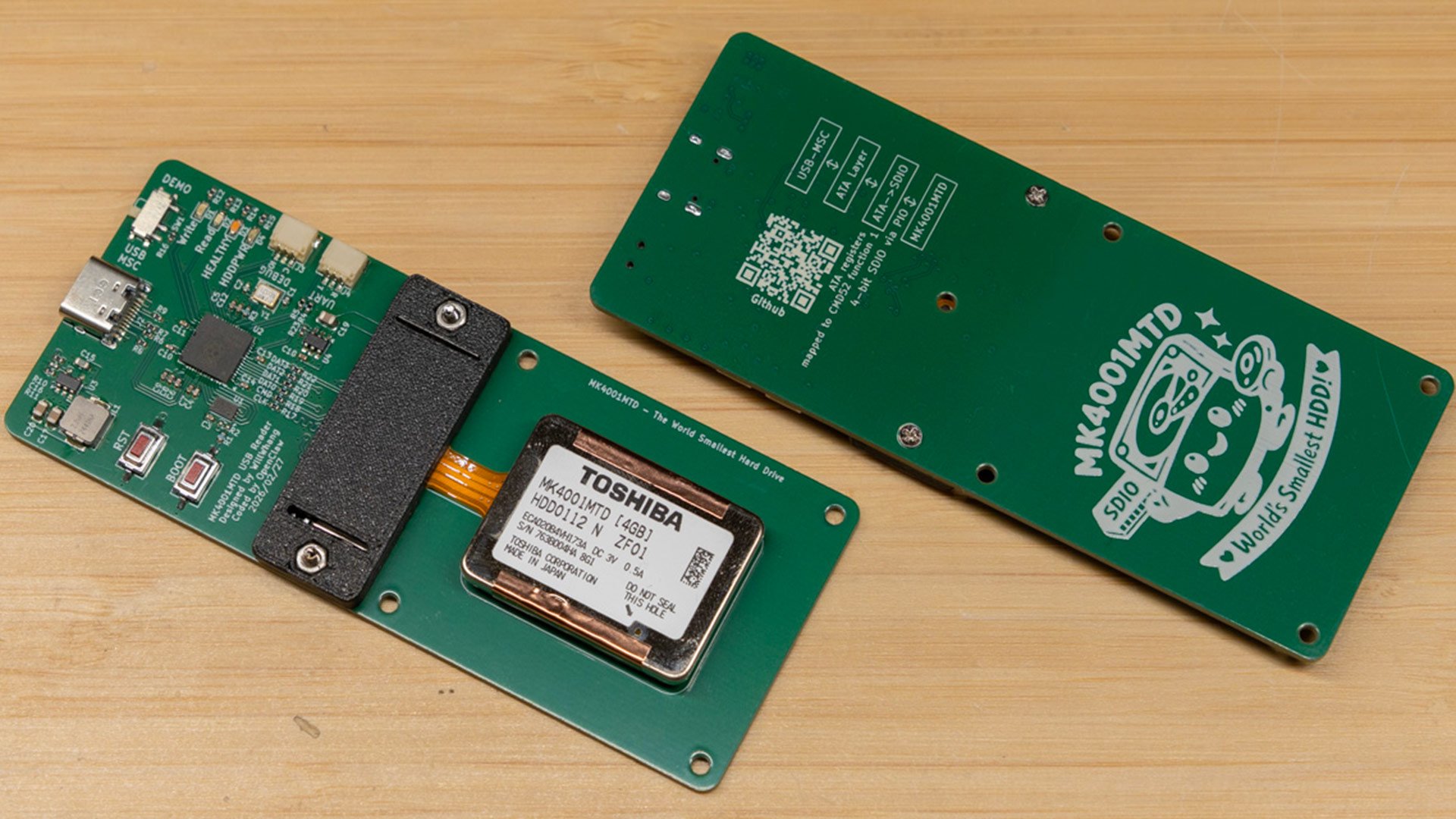
The result is that USB access to the MK4001MTD works reliably but is a pedestrian 0.42 MB per second read/write speed, at best, with the SDIO clock set to 10 MHz. This Toshiba drive was a measly 4GB (less than a DVD capacity), but at such a slow transfer speed, it would take about two and a half hours to read a full HDD or write it to full.
Whang concludes that they are happy with the collaborative work with a reasoning-focused LLM, and future projects might follow a similar structure. All the source code, hardware design files, and more have been shared on GitHub under the most liberal "I don't care" license.
The project represents a fascinating intersection of retro computing, hardware reverse engineering, and modern AI-assisted development. By combining an old Nokia N91 phone, open source tools like OpenClaw, and custom PCB design, Whang has created a solution that breathes new life into hardware that would otherwise be completely inaccessible.
This kind of work is increasingly important as we grapple with digital preservation and the challenge of accessing data stored on obsolete formats. The MK4001MTD drives, while tiny by today's standards, represent a piece of storage history that would have been lost without this kind of dedicated reverse engineering effort.
The use of AI tools like OpenClaw and GPT-5.4 in the reverse engineering process is particularly noteworthy. These tools were able to analyze logic traces, build custom decoders, and write firmware that would have been extremely time-consuming for a human to develop from scratch. This suggests a new paradigm for hardware hacking and reverse engineering where AI assistants can dramatically accelerate the development process.
For enthusiasts and professionals working with legacy storage systems, this project provides both a practical solution and a roadmap for tackling similar challenges. The open source nature of the design means that anyone with access to these old Toshiba drives can now recover their data without needing to track down rare devices like the Nokia N91.
The project also highlights the rapid pace of storage technology evolution. In just 20 years, we've gone from 4GB mechanical drives that were state-of-the-art to multi-terabyte SSDs that are smaller, faster, and more reliable. Yet there's still value in preserving and accessing these older technologies, whether for data recovery, historical preservation, or simply the satisfaction of solving a technical puzzle.
Whang's work demonstrates that with the right combination of technical knowledge, persistence, and modern AI tools, even seemingly impossible hardware challenges can be overcome. The MK4001MTD USB Bridge stands as a testament to the maker spirit and the power of open source collaboration in solving niche but important technical problems.
Comments
Please log in or register to join the discussion